Meta Glasses Face a Backlash Over Wearable Cameras
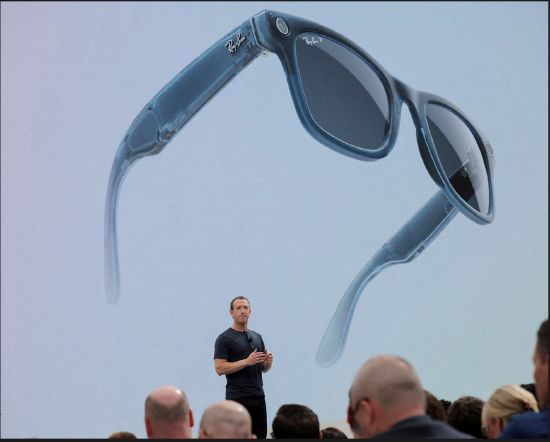
Meta Glasses show how privacy backlash can derail adoption of camera-enabled AI wearables.
30-Second TL;DR
What Changed
The glasses have been labeled “creepy glasses” and “spy glasses” by online users.
Why It Matters
The backlash could slow adoption of camera-enabled wearable devices and increase pressure on developers to address consent and privacy. AI builders integrating vision features into glasses may face similar trust and reputational risks.
What To Do Next
Before adding camera-based AI features to a wearable prototype, conduct a consent and privacy review covering recording indicators, bystander notice, and data retention.
Key Points
- •The glasses have been labeled “creepy glasses” and “spy glasses” by online users.
- •Wearable recording capabilities are the main source of public controversy.
- •Creators using the product may face backlash, follower losses, and reputational damage.
Deep Insight
AI-generated analysis for this event — not the original article.
Enhanced Key Takeaways
- •Meta has implemented a physical LED indicator light that pulses when recording, though critics argue it is easily obscured or ignored by the public.
- •The backlash has prompted Meta to collaborate with privacy advocacy groups to develop 'Privacy by Design' guidelines for future wearable iterations.
- •Regulatory bodies in the EU have previously scrutinized Meta's smart glasses under GDPR, specifically regarding the processing of biometric data and bystander privacy.
- •Third-party 'privacy stickers' and aftermarket modifications have emerged as a market response to help bystanders identify when glasses are not recording.
- •Meta's AI integration allows the glasses to process visual data in real-time, which has shifted the privacy debate from simple recording to continuous environmental surveillance.
Competitor Analysis
- Meta Ray-Ban
- Lifestyle/Social
- XREAL Air 2
- AR Display
- Snap Spectacles (Gen 5)
- AR Development
- Meta Ray-Ban
- Yes (12MP)
- XREAL Air 2
- No
- Snap Spectacles (Gen 5)
- Yes (Passthrough)
- Meta Ray-Ban
- ~$299
- XREAL Air 2
- ~$399
- Snap Spectacles (Gen 5)
- Developer Program
- Meta Ray-Ban
- LED Indicator
- XREAL Air 2
- N/A (Display only)
- Snap Spectacles (Gen 5)
- Privacy-first OS
| Feature | Meta Ray-Ban | XREAL Air 2 | Snap Spectacles (Gen 5) |
|---|---|---|---|
| Primary Use | Lifestyle/Social | AR Display | AR Development |
| Camera | Yes (12MP) | No | Yes (Passthrough) |
| Pricing | ~$299 | ~$399 | Developer Program |
| Privacy Focus | LED Indicator | N/A (Display only) | Privacy-first OS |
Technical Deep Dive
- Powered by the Qualcomm Snapdragon AR1 Gen 1 platform designed specifically for low-power wearable processing.
- Features a 12MP ultra-wide camera capable of 1080p video recording at 30fps.
- Utilizes a custom-built operating system (Meta Horizon OS) that manages sensor data and AI inference locally where possible.
- Incorporates a five-microphone array for spatial audio capture and voice command processing.
- Employs an LED notification system hardwired to the camera sensor to ensure the light cannot be disabled via software.
Future ImplicationsAI analysis grounded in cited sources
Timeline
- 2021-09Launch of the first-generation Ray-Ban Stories with integrated cameras.
- 2023-10Release of the second-generation Meta Ray-Ban smart glasses with improved camera and livestreaming capabilities.
- 2024-04Meta introduces multimodal AI features, allowing the glasses to analyze and describe the user's environment.
- 2025-02Meta expands AI capabilities to include real-time translation and object identification, intensifying privacy debates.
Weekly AI Recap
Read this week's curated digest of top AI events →
Related Updates



AI-curated news aggregator. All content rights belong to original publishers.
Original source: cnBeta (Full RSS) ↗
This is a summary, not the original. Read the source, or get the weekly briefing.
The weekly digest
One email a week. Unsubscribe anytime.