Meta Eyes Space Solar for AI Data Centers
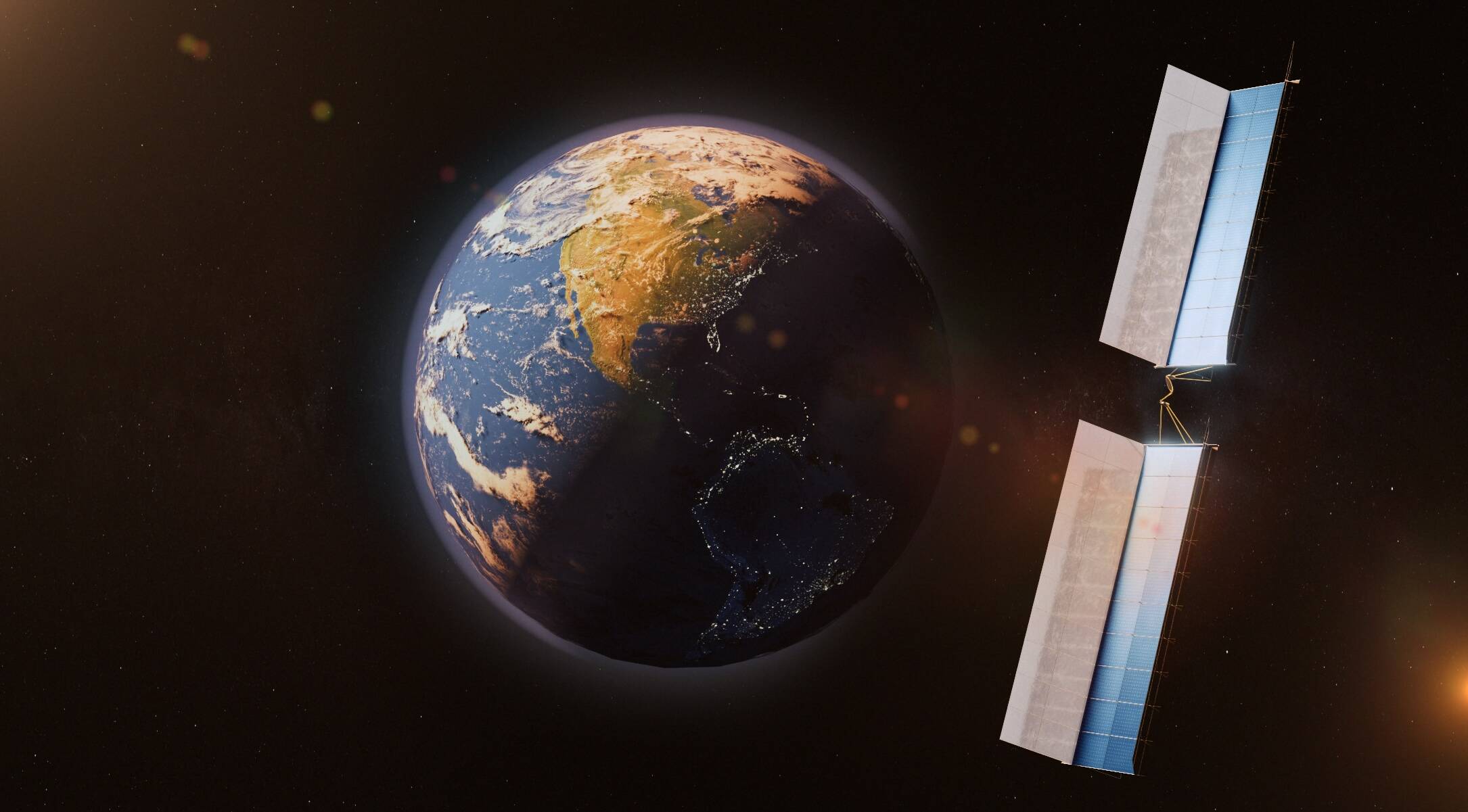
💡Meta's orbital solar tackles AI datacenter power crisis—vital for massive scaling.
⚡ 30-Second TL;DR
What Changed
Meta targets space-based solar to power AI datacenters amid growing demand
Why It Matters
This strategy could enable sustainable scaling of AI infrastructure, reducing grid dependency and costs long-term. It signals big tech's push for innovative energy solutions amid AI's power crunch.
What To Do Next
Assess space-based solar feasibility for your AI cluster power needs via DARPA or similar reports.
Key Points
- •Meta targets space-based solar to power AI datacenters amid growing demand
- •Agreement with energy storage firm for 100 hours of backup power
- •Addresses grid capacity issues and outages for reliable operations
🧠 Deep Insight
AI-generated analysis for this event — not the original article.
🔑 Enhanced Key Takeaways
- •Meta is collaborating with Solestial, a startup specializing in ultra-thin, radiation-hardened silicon solar cells designed specifically for low-Earth orbit (LEO) deployment.
- •The 100-hour backup power solution utilizes advanced iron-air battery technology, which offers a significantly lower cost-per-kilowatt-hour compared to traditional lithium-ion systems for long-duration storage.
- •This initiative is part of Meta's broader 'AI Infrastructure Sustainability Roadmap,' which aims to achieve net-zero emissions across its entire value chain by 2030, necessitating non-intermittent power sources for 24/7 AI training clusters.
📊 Competitor Analysis▸ Show
| Feature | Meta (Space Solar/Iron-Air) | Microsoft (SMR/Nuclear) | Google (Geothermal/Storage) |
|---|---|---|---|
| Primary Energy Strategy | Orbital Solar + Iron-Air | Small Modular Reactors (SMR) | Enhanced Geothermal Systems |
| Backup Duration | 100 Hours | Variable (Grid-dependent) | Variable (Grid-dependent) |
| Maturity | Experimental/Pilot | Early Deployment | Pilot/Operational |
🛠️ Technical Deep Dive
- •Space-based solar array utilizes thin-film photovoltaic (PV) cells with a thickness of less than 50 micrometers to minimize launch mass.
- •Energy transmission from orbit to ground stations is achieved via high-frequency microwave beamforming, targeting rectifying antennas (rectennas) located near datacenter sites.
- •Iron-air battery chemistry relies on the reversible oxidation of iron (rusting) and reduction (de-rusting) to store and release energy, providing a discharge duration of up to 100 hours.
- •Integration layer uses AI-driven predictive load balancing to switch between grid, orbital solar, and iron-air storage based on real-time energy pricing and grid stability metrics.
🔮 Future ImplicationsAI analysis grounded in cited sources
⏳ Timeline
Weekly AI Recap
Read this week's curated digest of top AI events →
👉Related Updates
AI-curated news aggregator. All content rights belong to original publishers.
Original source: The Register - AI/ML ↗
This is a summary, not the original. Read the source, or get the weekly briefing.
The weekly digest
One email a week. Unsubscribe anytime.