Meta enters cloud market to sell AI compute
Meta enters the cloud compute market, threatening specialized providers and signaling a shift in AI monetization.
30-Second TL;DR
What Changed
Meta plans to sell idle AI compute and access to its proprietary models.
Why It Matters
Meta's entry into the cloud market could disrupt the pricing and availability of AI compute, potentially challenging the dominance of specialized 'neocloud' providers.
What To Do Next
Monitor Meta's upcoming developer portal for potential access to their compute infrastructure and Muse Spark model.
Key Points
- •Meta plans to sell idle AI compute and access to its proprietary models.
- •The initiative aims to monetize massive infrastructure investments and reduce reliance on advertising.
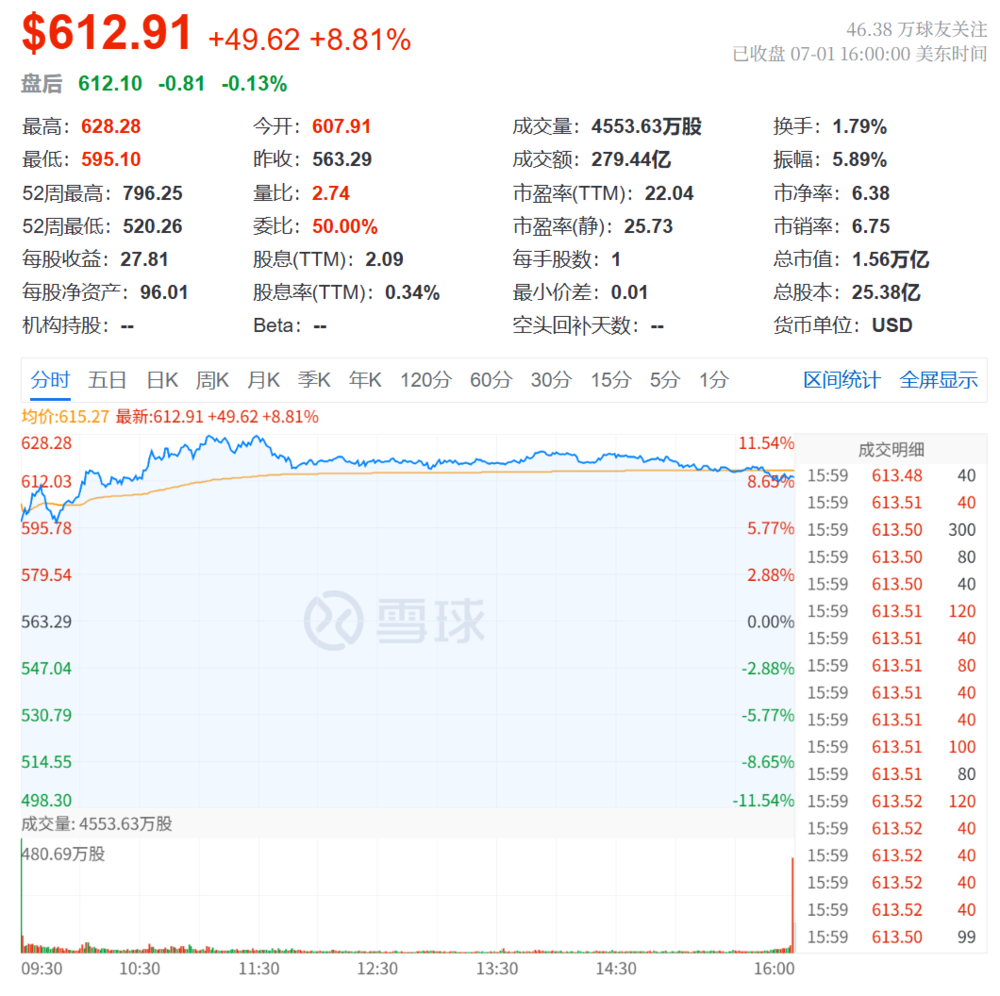
- •Meta's move caused a stock drop for specialized cloud providers like CoreWeave and Nebius.
- •Meta expects to spend 145 billion RMB on AI infrastructure this year.
Deep Insight
AI-generated analysis for this event — not the original article.
Enhanced Key Takeaways
- •Meta is leveraging its 'Grand Teton' AI server architecture and custom MTIA (Meta Training and Inference Accelerator) chips to offer a differentiated hardware stack compared to standard NVIDIA-based cloud offerings.
- •The strategy includes a 'Model-as-a-Service' (MaaS) layer that provides fine-tuned versions of Llama 4, optimized specifically for enterprise-grade latency and security requirements.
- •Meta has established strategic partnerships with regional data center operators to bypass the need for building greenfield infrastructure, accelerating their time-to-market in Europe and Asia.
- •Internal reports suggest Meta is utilizing its proprietary 'PyTorch' ecosystem as a primary hook, offering seamless migration paths for developers already using the framework to train on Meta's cloud.
- •The initiative is being spearheaded by the newly formed 'Meta Infrastructure Services' division, which operates independently from the Reality Labs and core advertising business units.
Competitor Analysis
- Meta Cloud
- Llama 4 (Proprietary)
- AWS (Bedrock)
- Titan / Third-party
- Azure (AI Infrastructure)
- GPT-4o / Phi-3
- Meta Cloud
- MTIA / Custom Silicon
- AWS (Bedrock)
- Trainium / Inferentia
- Azure (AI Infrastructure)
- Maia / NVIDIA H100
- Meta Cloud
- Compute-to-Token Ratio
- AWS (Bedrock)
- Consumption-based
- Azure (AI Infrastructure)
- Reserved Instance / Pay-as-you-go
- Meta Cloud
- PyTorch Native Integration
- AWS (Bedrock)
- Massive Ecosystem/Services
- Azure (AI Infrastructure)
- Enterprise/Office 365 Integration
| Feature | Meta Cloud | AWS (Bedrock) | Azure (AI Infrastructure) |
|---|---|---|---|
| Primary Model | Llama 4 (Proprietary) | Titan / Third-party | GPT-4o / Phi-3 |
| Hardware | MTIA / Custom Silicon | Trainium / Inferentia | Maia / NVIDIA H100 |
| Pricing Model | Compute-to-Token Ratio | Consumption-based | Reserved Instance / Pay-as-you-go |
| Key Advantage | PyTorch Native Integration | Massive Ecosystem/Services | Enterprise/Office 365 Integration |
Technical Deep Dive
- Infrastructure utilizes the Grand Teton open-compute platform, which features a unified power and signal integrity design for high-density AI clusters.
- Deployment of MTIA v2 chips provides a reported 3x improvement in performance-per-watt for inference tasks compared to previous generation general-purpose GPUs.
- Network fabric is built on Meta's proprietary 'Minipack' and 'F16' switching silicon, enabling 400GbE connectivity across the cluster to minimize inter-node communication latency.
- Software stack integrates directly with the Llama Stack API, allowing customers to deploy model agents with built-in RAG (Retrieval-Augmented Generation) capabilities out of the box.
Future ImplicationsAI analysis grounded in cited sources
Timeline
- 2022-05Meta announces the 'Grand Teton' open-source AI server platform.
- 2023-05Meta unveils the first generation of its custom MTIA AI inference chip.
- 2024-04Meta releases Llama 3, marking a significant shift toward open-model dominance.
- 2025-02Meta announces the second generation of MTIA, optimized for larger model training.
- 2026-03Meta reports record-breaking AI infrastructure capital expenditure in Q1 earnings.
Event Coverage
Weekly AI Recap
Read this week's curated digest of top AI events →
AI-curated news aggregator. All content rights belong to original publishers.
Original source: 虎嗅 ↗
This is a summary, not the original. Read the source, or get the weekly briefing.
The weekly digest
One email a week. Unsubscribe anytime.