Meta CTO Rejects More Vacation From AI Gains
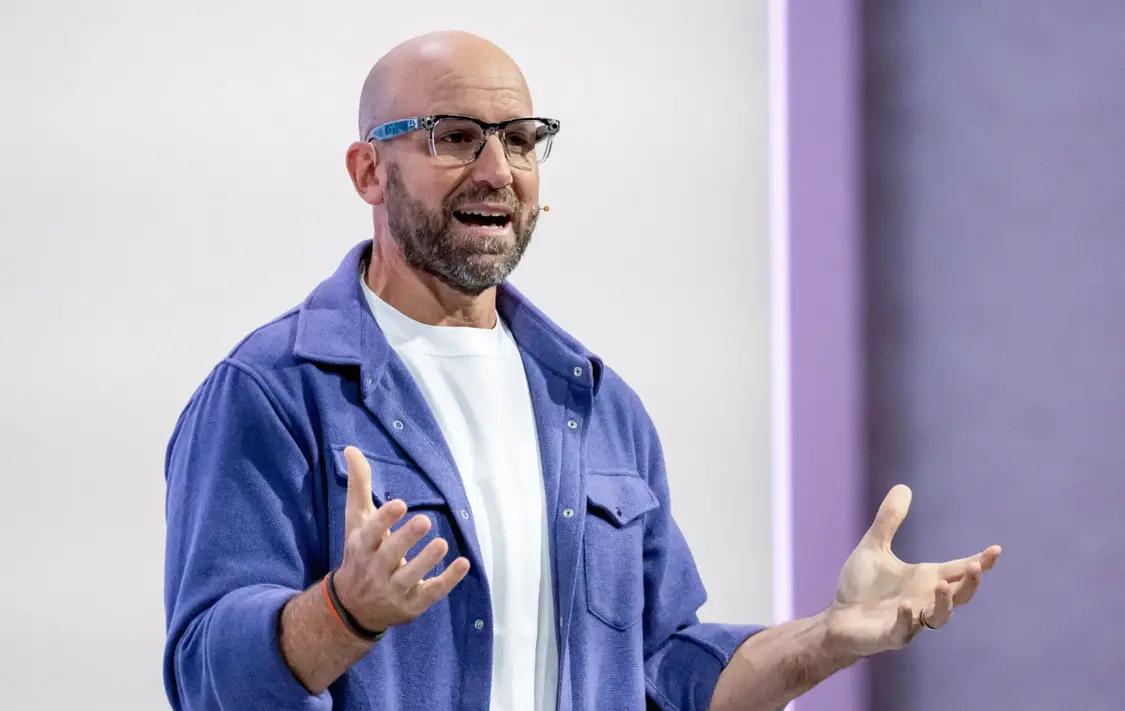
Meta’s CTO challenges the assumption that AI efficiency should automatically create more worker leisure.
30-Second TL;DR
What Changed
Andrew Bosworth reportedly rejected the idea that AI productivity gains should mean more employee vacation.
Why It Matters
The stance may encourage companies to treat AI primarily as a capacity multiplier rather than a mechanism for reducing workloads. It also raises employee-retention and workplace-policy questions for organizations deploying AI at scale.
What To Do Next
Run a 30-day productivity study using OpenTelemetry to measure whether AI-assisted workflows reduce cycle time, increase output, or simply expand workload.
Key Points
- •Andrew Bosworth reportedly rejected the idea that AI productivity gains should mean more employee vacation.
- •The comments were made during a Meta employee Q&A in early July.
- •The discussion highlights competing views on how organizations should allocate AI-generated efficiency gains.
Deep Insight
AI-generated analysis for this event — not the original article.
Enhanced Key Takeaways
- •Bosworth's comments were delivered during a recurring 'Ask Me Anything' (AMA) session, a staple of Meta's internal communication culture under Mark Zuckerberg's leadership.
- •The stance aligns with Meta's broader 'Year of Efficiency' strategy, which has prioritized headcount reduction and operational streamlining since 2023.
- •Industry analysts note that Meta's position contrasts with some smaller tech firms and startups that have experimented with four-day workweeks as a recruitment incentive.
- •Internal sentiment at Meta regarding AI productivity has been mixed, with some engineers reporting significant gains in coding velocity while others express concerns about increased output expectations.
- •The debate at Meta mirrors a wider Silicon Valley tension where leadership views AI as a tool to lower operational costs rather than a mechanism to reduce labor hours.
Future ImplicationsAI analysis grounded in cited sources
Timeline
- 2023-02Mark Zuckerberg declares 2023 the 'Year of Efficiency' at Meta.
- 2023-03Meta announces plans to cut 10,000 jobs as part of its restructuring efforts.
- 2024-04Meta releases Llama 3, significantly increasing internal AI development capabilities.
- 2026-07Andrew Bosworth addresses AI productivity and vacation policies during an internal Q&A.
Weekly AI Recap
Read this week's curated digest of top AI events →
Related Updates
AI-curated news aggregator. All content rights belong to original publishers.
Original source: cnBeta (Full RSS) ↗
This is a summary, not the original. Read the source, or get the weekly briefing.
The weekly digest
One email a week. Unsubscribe anytime.