Met Police extend Palantir AI pilot after contract block
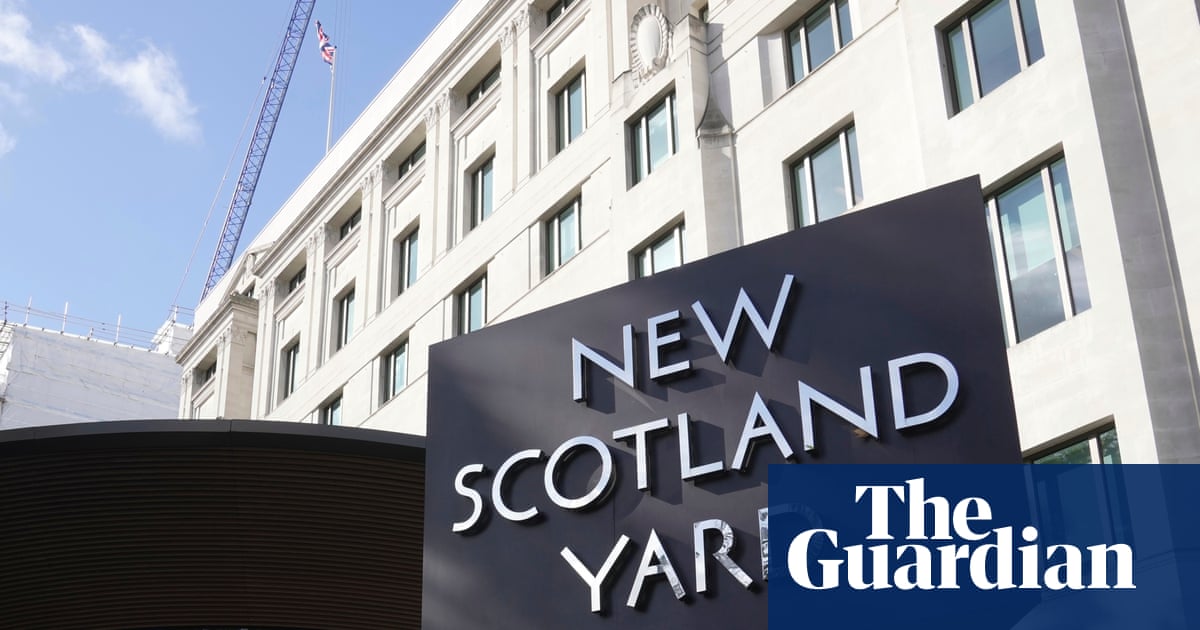
Understand the regulatory and political friction points facing enterprise AI deployment in sensitive public sectors.
30-Second TL;DR
What Changed
Met Police granted a 12-month extension for the existing Palantir AI pilot.
Why It Matters
This highlights the growing tension between public sector AI adoption and political oversight regarding data privacy and surveillance. It suggests that AI vendors in the defense and policing space face significant regulatory hurdles despite technical utility.
What To Do Next
Monitor public sector procurement frameworks for AI to understand how data governance requirements are shaping vendor selection criteria.
Key Points
- •Met Police granted a 12-month extension for the existing Palantir AI pilot.
- •Mayor Sadiq Khan previously blocked a £50m long-term deal with Palantir.
- •The force is currently undergoing a formal procurement process for a long-term supplier.
- •The project focuses on automating intelligence analysis for criminal investigations.
Deep Insight
AI-generated analysis for this event — not the original article.
Enhanced Key Takeaways
- •The pilot project, known as the 'Met Police Intelligence Platform,' utilizes Palantir's Foundry software to aggregate data from disparate legacy police databases.
- •Privacy campaigners and civil liberties groups, including Big Brother Watch, have consistently challenged the partnership, citing concerns over data protection and the lack of public transparency.
- •The blocked £50m contract was intended to be a multi-year 'Police Data Analytics Collaboration' (PDAC) aimed at scaling AI-driven predictive policing capabilities.
- •The Mayor of London's intervention was reportedly influenced by recommendations from the London Policing Ethics Panel regarding the necessity of independent oversight for high-risk AI tools.
- •Met Police officials have stated that the extension is strictly limited to maintaining existing operational capabilities while the new procurement process is finalized.
Competitor Analysis
- Palantir Foundry
- High (Big Data focus)
- IBM i2 Analyst's Notebook
- Medium (Structured/Link focus)
- SAS Viya
- High (Statistical focus)
- Palantir Foundry
- Advanced (LLM/Predictive)
- IBM i2 Analyst's Notebook
- Moderate (Pattern matching)
- SAS Viya
- Advanced (Predictive modeling)
- Palantir Foundry
- Enterprise/Custom
- IBM i2 Analyst's Notebook
- Licensing/Per-seat
- SAS Viya
- Enterprise/Subscription
- Palantir Foundry
- Intelligence Fusion
- IBM i2 Analyst's Notebook
- Link Analysis
- SAS Viya
- Statistical Analysis
| Feature | Palantir Foundry | IBM i2 Analyst's Notebook | SAS Viya |
|---|---|---|---|
| Data Integration | High (Big Data focus) | Medium (Structured/Link focus) | High (Statistical focus) |
| AI/ML Capabilities | Advanced (LLM/Predictive) | Moderate (Pattern matching) | Advanced (Predictive modeling) |
| Pricing Model | Enterprise/Custom | Licensing/Per-seat | Enterprise/Subscription |
| Primary Use Case | Intelligence Fusion | Link Analysis | Statistical Analysis |
Technical Deep Dive
- The platform leverages Palantir Foundry's ontology-based data integration layer to map unstructured police records into a unified graph database.
- It employs automated entity resolution algorithms to link disparate records (e.g., names, addresses, vehicle plates) across siloed legacy systems.
- The system utilizes role-based access control (RBAC) and immutable audit logging to track every query and data access event for compliance monitoring.
- The architecture supports secure data enclaves, allowing investigators to perform cross-referencing without moving raw data out of protected environments.
Future ImplicationsAI analysis grounded in cited sources
Timeline
- 2020-05Met Police begins initial collaboration with Palantir for COVID-19 data management.
- 2022-09Met Police expands Palantir usage into the Intelligence Platform pilot.
- 2024-02Mayor of London blocks the proposed £50m long-term contract with Palantir.
- 2026-06Met Police secures a 12-month extension for the existing pilot project.
Weekly AI Recap
Read this week's curated digest of top AI events →
AI-curated news aggregator. All content rights belong to original publishers.
Original source: The Guardian Technology ↗
This is a summary, not the original. Read the source, or get the weekly briefing.
The weekly digest
One email a week. Unsubscribe anytime.