Met Police expands live facial recognition in London
See how public sector AI deployment is evolving and the privacy pushback it generates.
30-Second TL;DR
What Changed
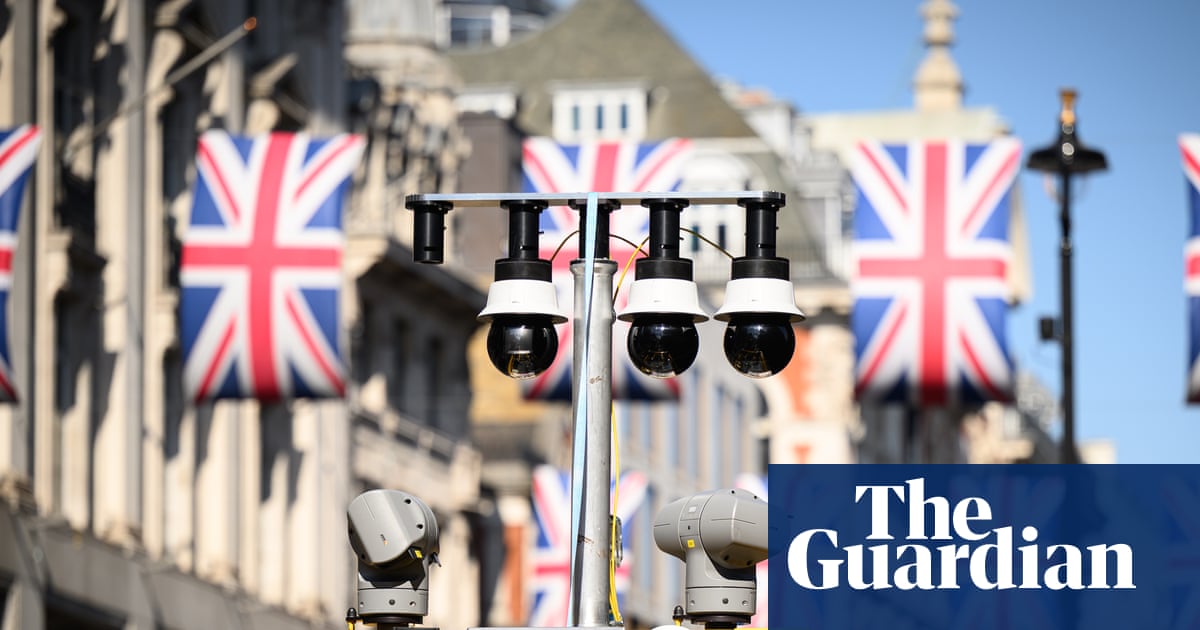
LFR cameras will be fixed to street furniture like lamp-posts.
Why It Matters
The widespread deployment of LFR in public spaces signals a shift in surveillance capabilities, raising significant ethical and regulatory questions for AI developers working on computer vision.
What To Do Next
If building computer vision systems, review the ethical guidelines and local regulations regarding biometric data collection and privacy.
Key Points
- •LFR cameras will be fixed to street furniture like lamp-posts.
- •Expansion begins in the West End with six more areas planned for next year.
- •Critics label the move a 'digital police lineup' due to privacy concerns.
Deep Insight
AI-generated analysis for this event — not the original article.
Enhanced Key Takeaways
- •The Metropolitan Police utilizes the NeoFace Watch system, developed by NEC, which compares live video feeds against a 'watchlist' of individuals wanted for serious offenses.
- •Legal challenges, such as the 2020 Court of Appeal ruling in the R (Bridges) v South Wales Police case, previously found aspects of LFR deployment unlawful, forcing the Met to refine its legal framework and operational policies.
- •The deployment operates under the 'Common Law' power of the police to prevent and detect crime, rather than specific primary legislation governing facial recognition.
- •Data protection impact assessments (DPIAs) are mandated for each deployment, requiring the police to justify the necessity and proportionality of the technology in specific locations.
- •The Met Police maintains that the system does not store the biometric data of individuals who are not matched against the watchlist, with non-match data being deleted in near real-time.
Technical Deep Dive
- System Architecture: Utilizes NEC NeoFace Watch software which performs automated biometric identification by extracting facial features from live video streams.
- Matching Process: The system converts facial images into mathematical templates (biometric signatures) and compares them against a pre-loaded database of images (the watchlist).
- Thresholding: Operators set a similarity threshold; if the system detects a match above this confidence score, an alert is generated for human review.
- Human-in-the-loop: The technology is designed as an assistive tool where a human officer must verify the match before any intervention or stop-and-search occurs.
- Connectivity: Cameras are integrated with mobile command units or existing CCTV infrastructure, transmitting encrypted data to a central processing server for real-time analysis.
Future ImplicationsAI analysis grounded in cited sources
Timeline
- 2016-07Metropolitan Police conducts first live facial recognition trial at Notting Hill Carnival.
- 2019-05Met Police begins a series of formal LFR trials in various London locations including Stratford and Romford.
- 2020-08Court of Appeal rules South Wales Police's use of LFR was unlawful due to lack of clear policy and bias testing.
- 2020-10Met Police officially launches its operational LFR deployment following updated legal and ethical guidelines.
- 2023-01Met Police announces a significant increase in the use of LFR technology as part of a broader crime-fighting strategy.
Weekly AI Recap
Read this week's curated digest of top AI events →
AI-curated news aggregator. All content rights belong to original publishers.
Original source: The Guardian Technology ↗
This is a summary, not the original. Read the source, or get the weekly briefing.
The weekly digest
One email a week. Unsubscribe anytime.