Mengniu Lets Employees Build AI Apps
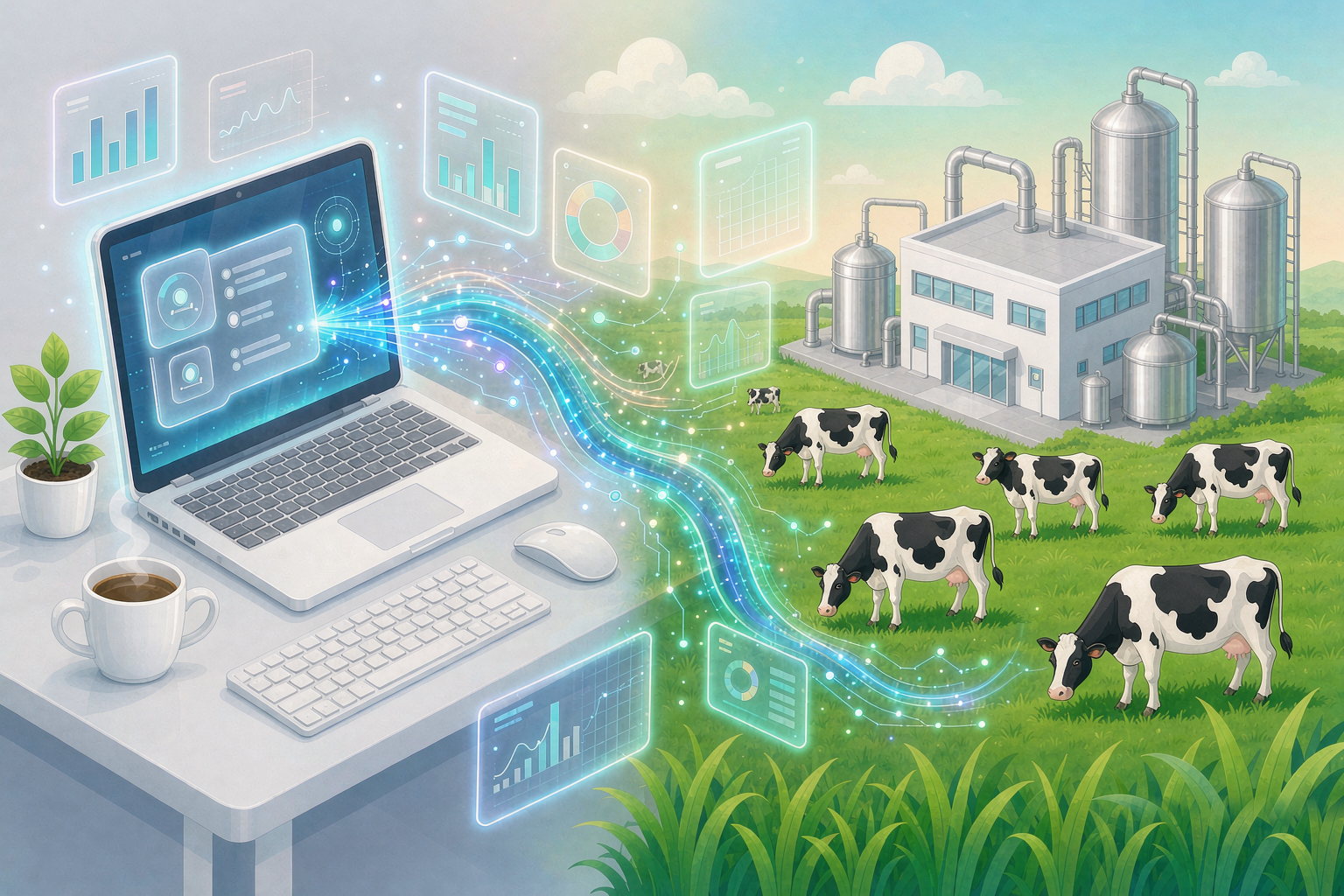
💡See how Mengniu moved enterprise AI from central teams into the hands of 200 business users.
⚡ 30-Second TL;DR
What Changed
200 business leaders are participating in AI application creation
Why It Matters
This approach could shorten the gap between AI capabilities and operational needs by letting domain experts define use cases directly. It may also create governance and quality-control challenges as more employees build applications independently.
What To Do Next
Pilot a self-service AI app program with 20 domain experts, using an internal LLM platform and tracking adoption, accuracy, and workflow time saved.
Key Points
- •200 business leaders are participating in AI application creation
- •The model emphasizes self-service development by business teams
- •Mengniu provides a practical enterprise AI adoption example
🧠 Deep Insight
Background and context from public sources — not the original article. 7 sources cited.
🔑 Enhanced Key Takeaways
- •The initiative utilizes Tencent's WorkBuddy platform as the underlying infrastructure to enable non-technical staff to build AI agents via natural language.
- •Participants were selected from 28 distinct business divisions, including specialized areas like milk source management and R&D, rather than just IT departments.
- •The program has yielded quantifiable operational improvements, such as reducing order processing time from 3 hours to 15 minutes and increasing e-commerce image production speed by up to 35x.
- •Mengniu hosted an internal AI application roadshow on August 11, 2026, where 45 employee-developed projects were showcased to demonstrate practical utility.
- •The strategy represents a broader industry shift toward 'Forward Deployed Engineers' (FDEs), where internal domain experts are tasked with bridging the 'last mile' of AI implementation.
🛠️ Technical Deep Dive
- Platform: Tencent WorkBuddy (low-code/no-code environment).
- Development Method: Natural language prompting to create 'Skills' (AI agents).
- Integration: Direct embedding of AI agents into existing business workflows (e.g., order processing, supply chain management).
- Knowledge Base: Utilization of domain-specific datasets, such as veterinary expertise for cow health diagnostics.
🔮 Future ImplicationsAI analysis grounded in cited sources
⏳ Timeline
📎 Sources (7)
Factual claims are grounded in the sources below. Forward-looking analysis is AI-generated interpretation.
Weekly AI Recap
Read this week's curated digest of top AI events →
👉Related Updates



AI-curated news aggregator. All content rights belong to original publishers.
Original source: 钛媒体 ↗
This is a summary, not the original. Read the source, or get the weekly briefing.
Weekly AI briefing
One email a week. Unsubscribe anytime.