Memory Shortage Persists Until 2030
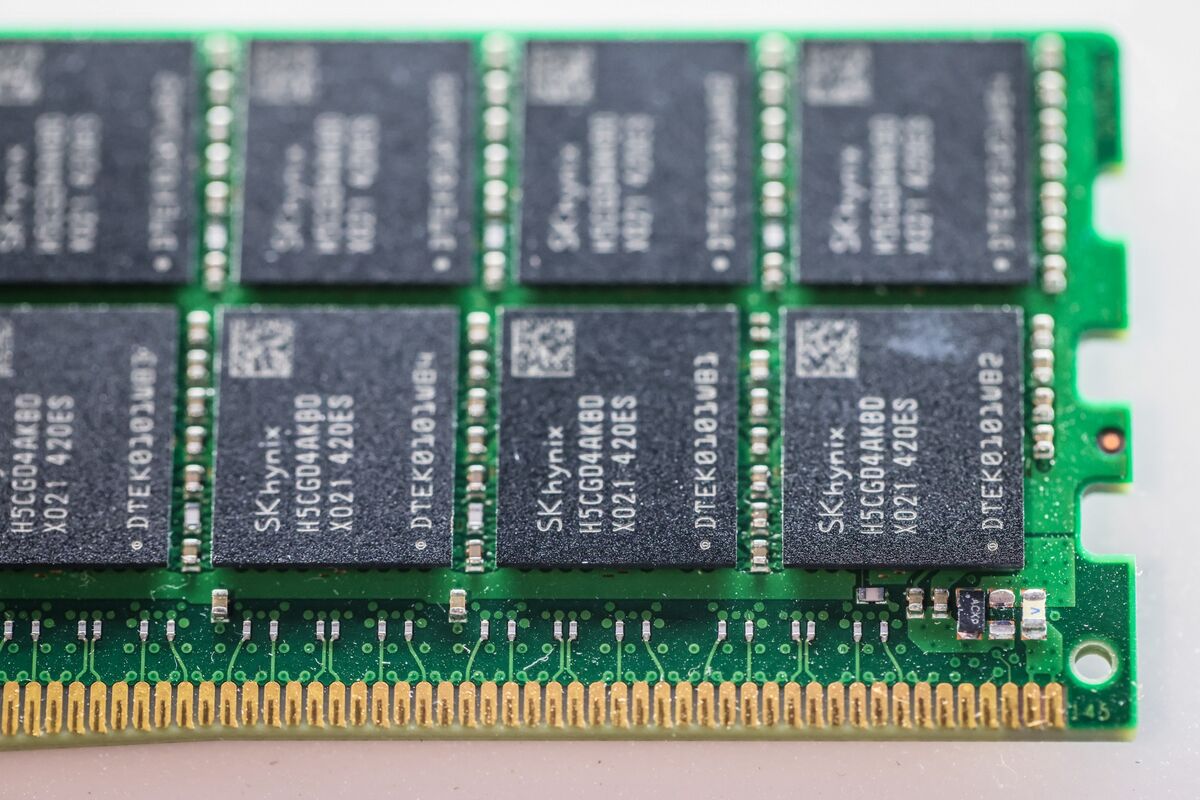
💡Memory crunch to 2030 hits AI GPU supply—plan hardware procurement now
⚡ 30-Second TL;DR
What Changed
SK Group head forecasts memory chip shortage until 2030
Why It Matters
Prolonged memory shortages will raise AI training costs and delay data center expansions. AI firms may face higher GPU prices and supply bottlenecks.
What To Do Next
Evaluate HBM memory stockpiles from SK Hynix for upcoming AI model training runs.
Key Points
- •SK Group head forecasts memory chip shortage until 2030
- •Shortage duration: another 4-5 years from now
- •Caused by structural limits in semiconductor manufacturing
🧠 Deep Insight
Background and context from public sources — not the original article. 4 sources cited.
🔑 Enhanced Key Takeaways
- •Data centers are projected to consume up to 70% of global memory chip production in 2026, driven by AI demand.[1][2][3]
- •Major manufacturers like Micron and SK Hynix are shifting production from consumer DRAM to high-bandwidth memory (HBM) for AI, with Micron selling out 2026 AI contracts and meeting only two-thirds of some customer needs.[2]
- •DRAM prices surged 50% in Q4 2025 and are expected to rise another 40-50% by end of Q1 2026, leading to 'hourly pricing' models.[1][2]
- •IDC forecasts below-normal supply growth of 16% for DRAM and 17% for NAND in 2026, potentially causing PC shipments to decline up to 9% and smartphone sales by 5%.[1][3]
🛠️ Technical Deep Dive
- •High-bandwidth memory (HBM) production requires specialized processes; producing one HBM chip destroys capacity for three standard PC DRAM chips due to wafer penalties.[4]
- •Global DRAM production capacity is approximately 2.25 million wafers per month, with AI projects like Stargate ring-fencing top-tier supply.[4]
- •Shift to HBM4 mass production by Samsung in early 2026 sacrificed high-volume commodity DRAM output, exacerbating shortages.[4]
🔮 Future ImplicationsAI analysis grounded in cited sources
⏳ Timeline
📎 Sources (4)
Factual claims are grounded in the sources below. Forward-looking analysis is AI-generated interpretation.
- Tom's Hardware — Data Centers Will Consume 70 Percent of Memory Chips Made in 2026 Supply Shortfall Will Cause the Chip Shortage to Spread to Other Segments
- everstream.ai — Global Memory Chip Shortage Worsens
- idc.com — Global Memory Shortage Crisis Market Analysis and the Potential Impact on the Smartphone and Pc Markets in 2026
- youtube.com — Watch
Weekly AI Recap
Read this week's curated digest of top AI events →
👉Related Updates
Same topic
Explore #supply-chain
Same product
More on memory-chips
Same source
Latest from Bloomberg Technology
CXMT Listing Fuels China’s AI Hardware Momentum

Calbee Uses C-BOSS to Optimize Potato Supply Chains
Samsung Poised to Retake Smartphone Leadership

ChatGPT Gains iMessage Control, Raising Privacy Questions
AI-curated news aggregator. All content rights belong to original publishers.
Original source: Bloomberg Technology ↗
This is a summary, not the original. Read the source, or get the weekly briefing.
Weekly AI briefing
One email a week. Unsubscribe anytime.