Max Planck's papers retracted due to digital error
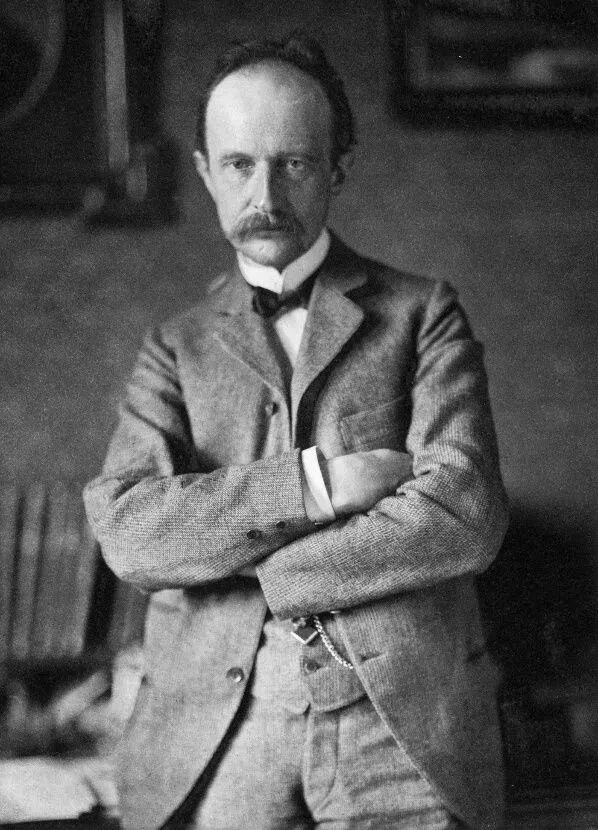
💡A cautionary tale on how automated systems can accidentally erase scientific history.
⚡ 30-Second TL;DR
What Changed
Springer's automated system flagged historical papers as 'duplicate publications' without human review.
Why It Matters
This case serves as a warning for AI-driven academic publishing platforms to implement human-in-the-loop verification for historical data.
What To Do Next
If you are building automated content moderation systems, ensure you include a 'historical context' flag to prevent false positives on legacy data.
Key Points
- •Springer's automated system flagged historical papers as 'duplicate publications' without human review.
- •The papers were philosophical reflections rather than experimental research, making the retraction inappropriate.
- •The incident underscores the danger of algorithmic control over historical scientific records.
- •Springer has since restored the papers following investigation.
🧠 Deep Insight
AI-generated analysis for this event — not the original article.
🔑 Enhanced Key Takeaways
- •The automated retraction system involved was part of Springer Nature's 'Integrity Manager' or similar AI-driven screening tools designed to detect plagiarism and duplicate submissions in real-time.
- •The specific papers in question were historical philosophical essays originally published in the early 20th century, which were digitized and re-indexed by Springer as part of a legacy archive project.
- •The error occurred because the algorithm failed to distinguish between a 'republication' (a common practice for historical archives) and a 'duplicate submission' (a form of academic misconduct).
- •This incident has sparked a wider debate within the Committee on Publication Ethics (COPE) regarding the necessity of human-in-the-loop oversight for automated retraction workflows.
- •Springer Nature has acknowledged that the incident was caused by a 'false positive' generated by a machine learning model trained primarily on modern, peer-reviewed experimental data rather than historical humanities literature.
🔮 Future ImplicationsAI analysis grounded in cited sources
⏳ Timeline
Weekly AI Recap
Read this week's curated digest of top AI events →
👉Related Updates


AI-curated news aggregator. All content rights belong to original publishers.
Original source: 虎嗅 ↗
This is a summary, not the original. Read the source, or get the weekly briefing.
The weekly digest
One email a week. Unsubscribe anytime.