Major Brands Pivot to 'Energy Bowls' in Healthy Food War
Understand the supply chain and product strategy shifts in the rapidly growing $320B light-meal industry.
30-Second TL;DR
What Changed
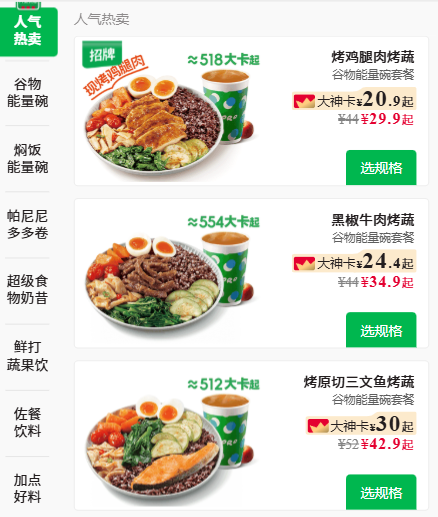
Market shift from cold salads to hot, localized 'Energy Bowls'.
Why It Matters
The commoditization of healthy food through standardized supply chains suggests a shift in consumer preference toward convenience-driven wellness.
What To Do Next
If building food-tech AI, monitor how these brands use supply chain data to balance ingredient freshness with cost efficiency.
Key Points
- •Market shift from cold salads to hot, localized 'Energy Bowls'.
- •Increased competition from non-specialized fast-food giants.
- •Focus on high-quality, affordable pricing to capture mass-market consumers.
Deep Insight
Background and context from public sources — not the original article. 13 sources cited.
Enhanced Key Takeaways
- •The pivot to 'Energy Bowls' in China's light-meal market is significantly driven by increasing health and weight awareness among consumers, with over half of Chinese adults classified as overweight or obese by 2020, a figure projected to reach 65.3% by 2030.
- •This trend aligns with a broader consumer demand for 'functional foods' that offer specific health benefits beyond basic nutrition, a market in Asia-Pacific expected to nearly double from US$125.7 billion in 2024 to US$245.9 billion by 2034.
- •The 'Energy Bowl' concept caters to a growing preference for protein-rich meals, as protein continues to be a dominant factor in wellness discussions, with consumers actively seeking dishes that combine multiple protein sources.
- •The market shift also reflects a desire for 'better-for-you comfort' and 'elevated convenience,' where consumers seek restaurant-quality meals with minimal preparation, leading to the rise of premium frozen and pantry options, including globally-inspired bowls.
- •Historically, Chinese consumers' trust in Western fast-food brands was linked to perceived food safety, but the current trend towards localized 'Energy Bowls' indicates a growing preference for healthier, culturally relevant options offered by both international and domestic chains.
Future ImplicationsAI analysis grounded in cited sources
Timeline
- 2009-XXOlé, a premium supermarket chain, became one of the first in China to focus on organic and imported foods, signaling early consumer interest in healthier options.
- 2012-2015A McKinsey report indicated a significant decline in Chinese consumers eating Western fast food (from 67% to 51%), with a notable shift towards healthier brands.
- 2023-XXDomestic fast-food chain Home Original Chicken introduced a viral weight-control menu, demonstrating the growing demand for healthy fast-food options in China.
- 2024-11DPC Dash, Domino's Pizza's exclusive master franchisee in mainland China, celebrated the grand opening of its 1,000th store in the country.
- 2025-XXDPC Dash opened an impressive 307 new Domino's stores in China, expanding into 21 new cities, as part of its aggressive growth strategy.
- 2026-03DPC Dash's total store count for Domino's in China reached 1,462 across 72 cities, highlighting continued rapid expansion and market penetration.
Sources (13)
Factual claims are grounded in the sources below. Forward-looking analysis is AI-generated interpretation.
Weekly AI Recap
Read this week's curated digest of top AI events →
AI-curated news aggregator. All content rights belong to original publishers.
Original source: 虎嗅 ↗
This is a summary, not the original. Read the source, or get the weekly briefing.
The weekly digest
One email a week. Unsubscribe anytime.