Source钛媒体•Stalecollected in 3m
Longxia Lobster Ideology Fuels AI Software War
#ai-competition#b2b-shift#software-layerlongxialongxia
💡Longxia's strategy shifts AI wars to software—key for B2B builders eyeing China market
⚡ 30-Second TL;DR
What Changed
Introduces 'Lobster Thought' philosophy
Why It Matters
This move intensifies software-focused AI innovation, pressuring B2B players to integrate AI faster.
What To Do Next
Evaluate Longxia's B2B AI software APIs for enterprise integration pilots.
Who should care:Founders & Product Leaders
Key Points
- •Introduces 'Lobster Thought' philosophy
- •Shifts AI battle from hardware to software
- •Speeds up AI in B2B enterprise market
🧠 Deep Insight
AI-generated analysis for this event — not the original article.
🔑 Enhanced Key Takeaways
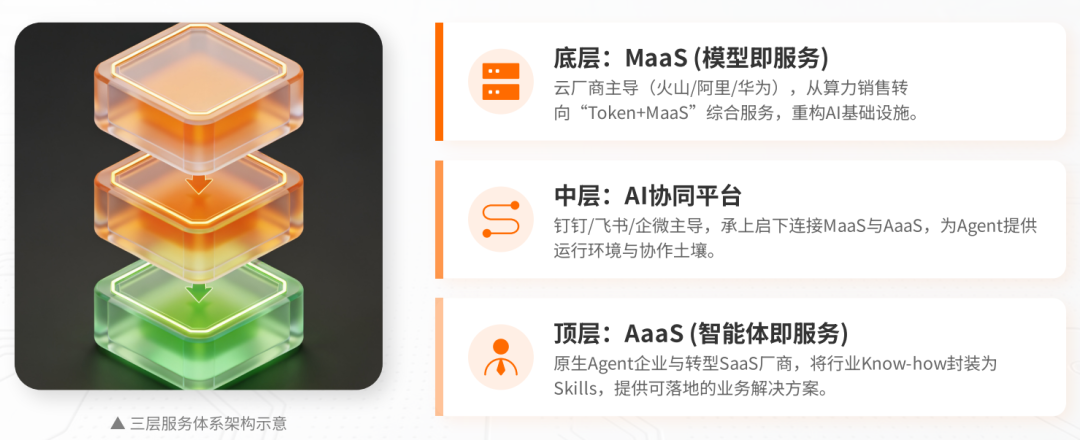
- •The 'Lobster Thought' (Longxia) strategy emphasizes a 'de-hardware' approach, prioritizing the decoupling of AI software stacks from proprietary chip architectures to lower enterprise migration costs.
- •Longxia’s software-first model leverages a proprietary middleware layer that abstracts heterogeneous computing resources, allowing B2B clients to switch between domestic and international GPU clusters without refactoring code.
- •Market analysis indicates that Longxia is aggressively targeting the 'last mile' of AI deployment in industrial manufacturing, focusing on edge-cloud orchestration rather than just foundational model training.
🔮 Future ImplicationsAI analysis grounded in cited sources
Longxia will capture 15% of the Chinese industrial B2B AI software market by Q4 2026.
The strategy of hardware-agnostic software deployment significantly reduces the high switching costs currently hindering enterprise AI adoption.
Major hardware vendors will launch retaliatory 'walled garden' software ecosystems.
Longxia's success in decoupling software from hardware threatens the high-margin lock-in strategies currently employed by dominant AI chip manufacturers.
📰
Weekly AI Recap
Read this week's curated digest of top AI events →
👉Related Updates



AI-curated news aggregator. All content rights belong to original publishers.
Original source: 钛媒体 ↗
This is a summary, not the original. Read the source, or get the weekly briefing.
The weekly digest
One email a week. Unsubscribe anytime.