Little Rock Datacenters Ignite Redlining and Resource Fears
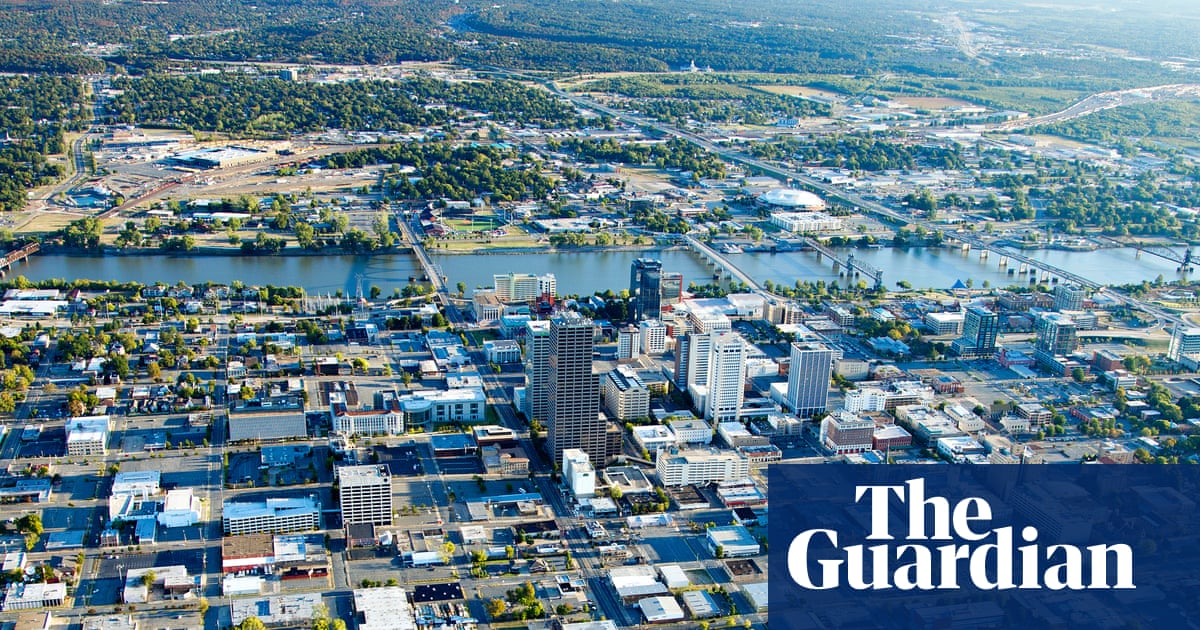
AI datacenter growth now faces water, power, land-rights, and community-consent risks.
30-Second TL;DR
What Changed
Little Rock is considering two hyperscale datacenter projects.
Why It Matters
For AI companies, datacenter expansion is increasingly constrained by water availability, grid capacity, and community consent—not just compute demand. Local opposition could delay deployments, raise infrastructure costs, and make regional sustainability and equity assessments essential parts of site selection.
What To Do Next
Before selecting a cloud region for a new AI workload, compare its documented water usage, power mix, grid constraints, and local permitting risks.
Key Points
- •Little Rock is considering two hyperscale datacenter projects.
- •Opponents cite potential strain on local water and electricity supplies.
- •Critics describe the land conversion as a form of modern redlining involving rural, Black-owned property.
- •The opposition spans both the political left and right.
Deep Insight
AI-generated analysis for this event — not the original article.
Enhanced Key Takeaways
- •The proposed projects are linked to a broader trend of hyperscale developments seeking tax incentives under Arkansas's Data Center Act of 2023.
- •Local opposition groups, including the 'Little Rock Land Preservation Coalition,' have filed formal petitions citing concerns over the depletion of the Little Rock aquifer.
- •The sites in question are located in historically underserved areas, leading to allegations that the city's zoning board bypassed standard community impact assessments.
- •Energy utility providers have indicated that the combined load of these two datacenters would require a dedicated substation, potentially raising electricity rates for residential customers.
- •State legislators have begun drafting a bill to mandate stricter environmental and social impact disclosures for industrial projects exceeding 500 megawatts.
Technical Deep Dive
- Hyperscale design specifications typically require 100MW to 500MW+ power capacity per facility.
- Cooling systems proposed involve closed-loop liquid cooling to mitigate water usage, though critics argue the initial fill and maintenance still strain local water tables.
- Infrastructure requirements include high-voltage transmission line upgrades and redundant fiber-optic connectivity to meet Tier IV datacenter standards.
- Land usage footprint for these specific projects is estimated at 400-600 acres per site, necessitating significant grading and environmental mitigation for rural terrain.
Future ImplicationsAI analysis grounded in cited sources
Timeline
- 2023-04Arkansas Data Center Act is signed into law, providing tax incentives for datacenter investment.
- 2025-11Initial land acquisition filings for the Little Rock sites are recorded by shell companies.
- 2026-02Little Rock Planning Commission holds the first public hearing on the rezoning of the rural tracts.
- 2026-06Bipartisan coalition of residents and local activists formally organizes to oppose the datacenter developments.
Weekly AI Recap
Read this week's curated digest of top AI events →
AI-curated news aggregator. All content rights belong to original publishers.
Original source: The Guardian Technology ↗
This is a summary, not the original. Read the source, or get the weekly briefing.
The weekly digest
One email a week. Unsubscribe anytime.