Lingzhu AI platform hits 10B daily tokens
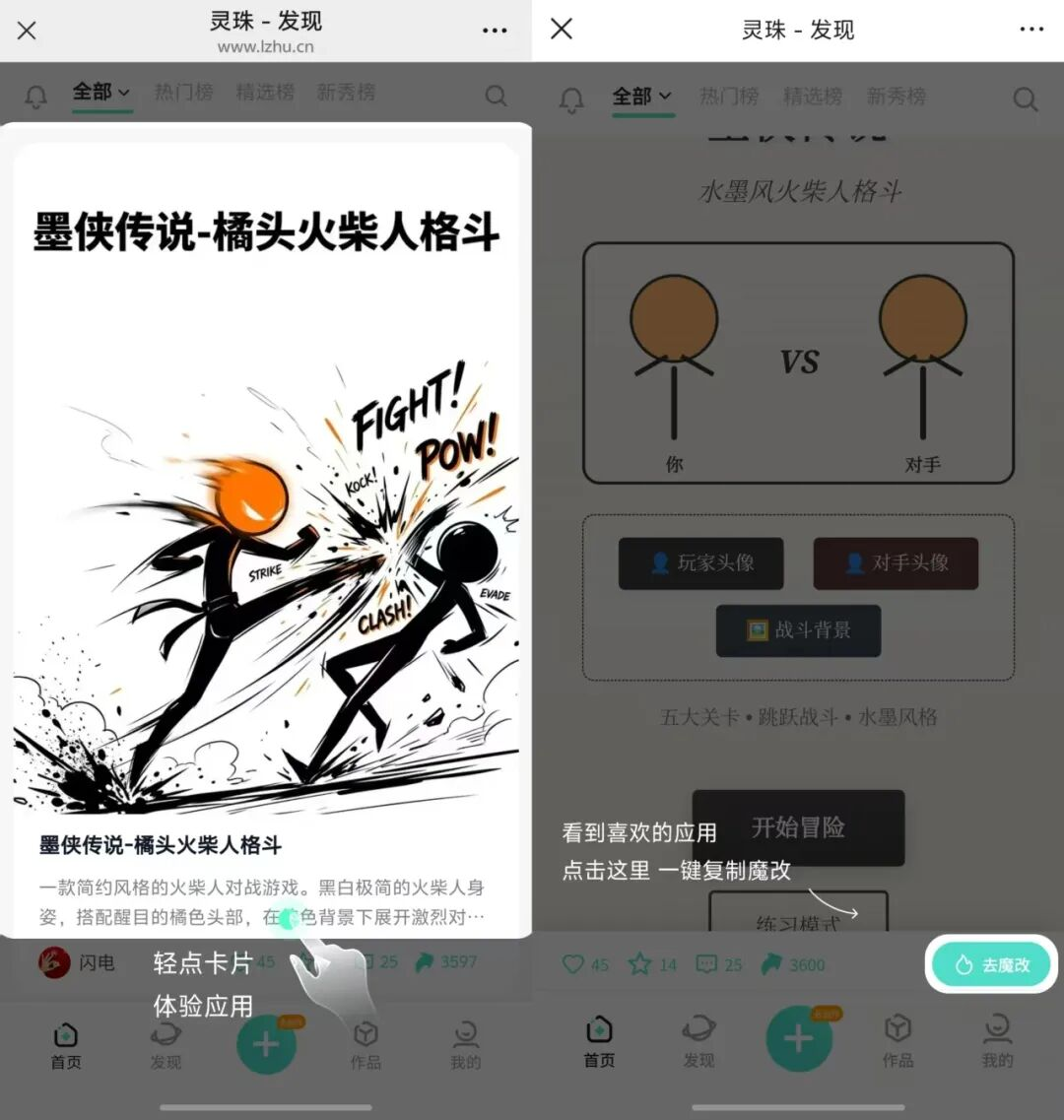
💡Learn how a Vibe coding platform scales to 10B tokens by focusing on non-technical users and AI-native workflows.
⚡ 30-Second TL;DR
What Changed
Daily token consumption reached 10 billion, doubling since the internal test phase.
Why It Matters
Demonstrates the viability of 'AI-native' platforms that abstract coding complexity for mass-market users through iterative feedback loops.
What To Do Next
Analyze your user feedback loop to implement a 'demand clarification' mechanism similar to Lingzhu's to reduce LLM hallucination.
Key Points
- •Daily token consumption reached 10 billion, doubling since the internal test phase.
- •Integrated DeepSeek V4, reducing demand analysis time by 3x.
- •Introduced 'Magic Modification' (魔改) feature to enable user-driven secondary creation.
- •Utilizes a 'Harness' architecture to provide guardrails for LLM-generated code.
🧠 Deep Insight
AI-generated analysis for this event — not the original article.
🔑 Enhanced Key Takeaways
- •Lingzhu AI is developed by the Chinese tech company Vibe (also known as Vibe AI), which positions the platform as a 'natural language programming' environment rather than a traditional IDE.
- •The platform's 'Harness' architecture specifically employs a multi-agent orchestration layer that validates code execution in a sandboxed environment before deployment to production.
- •Vibe has secured strategic partnerships with major Chinese cloud providers to optimize inference costs, allowing the platform to maintain profitability despite the high token throughput.
- •The 'Magic Modification' feature utilizes a proprietary fine-tuned version of DeepSeek V4 that is optimized for UI/UX component generation, specifically targeting non-technical users.
- •Lingzhu has expanded its user base significantly within the enterprise sector, with over 30% of daily token volume now originating from internal business process automation tools created by non-developers.
📊 Competitor Analysis▸ Show
| Feature | Lingzhu AI | Cursor | Replit Agent |
|---|---|---|---|
| Target Audience | Non-programmers | Professional Developers | Students/Prototypers |
| Core Workflow | Natural Language/Magic Mod | Codebase-aware IDE | Cloud-based IDE/Agent |
| Guardrails | Harness Architecture | Standard Linting | Sandbox Execution |
| Pricing Model | Token-based/Freemium | Subscription | Subscription/Usage-based |
🛠️ Technical Deep Dive
- Harness Architecture: A multi-layered system that separates intent analysis from code generation, using a secondary verification agent to check for syntax errors and security vulnerabilities before execution.
- Model Integration: Uses a customized DeepSeek V4 backbone with a specialized LoRA adapter for UI component rendering and state management.
- Token Optimization: Implements a caching layer for repetitive UI patterns, reducing redundant token consumption by approximately 25% for standard application modules.
- Execution Environment: Runs generated code in a containerized, ephemeral environment that supports real-time previewing and hot-reloading for non-technical users.
🔮 Future ImplicationsAI analysis grounded in cited sources
⏳ Timeline
Weekly AI Recap
Read this week's curated digest of top AI events →
👉Related Updates

AI-curated news aggregator. All content rights belong to original publishers.
Original source: 虎嗅 ↗
This is a summary, not the original. Read the source, or get the weekly briefing.
The weekly digest
One email a week. Unsubscribe anytime.