LG Develops Burn-In-Resistant OLED iMac Panel
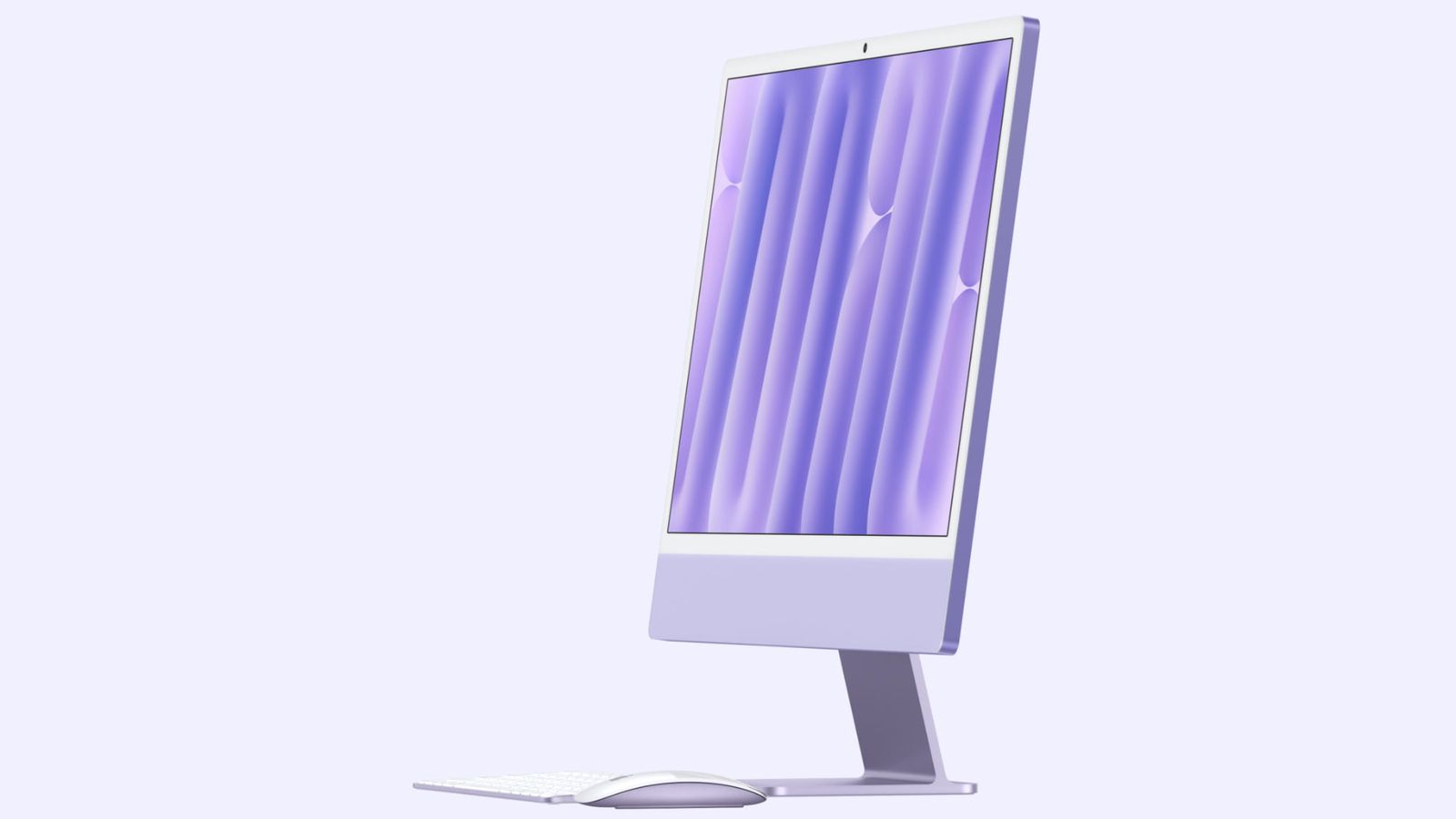
A new five-layer OLED design could make long-running AI desktop workflows brighter and more durable.
30-Second TL;DR
What Changed
LG Display is researching a five-layer OLED structure intended for a future iMac.
Why It Matters
A brighter, more durable OLED iMac could improve long-duration desktop workflows, including AI development and monitoring. However, the report does not confirm Apple’s launch timing, final specifications, or panel adoption.
What To Do Next
If planning AI workstation deployments, track the five-layer OLED feature and compare its expected burn-in resistance with current mini-LED displays before standardizing hardware.
Key Points
- •LG Display is researching a five-layer OLED structure intended for a future iMac.
- •An additional emissive layer is designed to improve overall screen brightness.
- •Three blue-light emissive layers aim to reduce OLED burn-in.
- •The panel remains a reported development project rather than a confirmed shipping product.
Deep Insight
AI-generated analysis for this event — not the original article.
Enhanced Key Takeaways
- •The proposed panel architecture is often referred to in industry circles as a 'tandem' OLED structure, which stacks multiple emissive layers to improve longevity and efficiency.
- •Apple's interest in OLED for the iMac is part of a broader strategy to transition its entire Mac lineup to OLED technology, following the initial adoption in iPad Pro models.
- •The use of three blue-light layers specifically addresses the shorter lifespan of blue organic materials compared to red and green, a primary cause of OLED degradation.
- •Industry analysts suggest this development is a response to the specific challenges of desktop monitors, which often display static UI elements for extended periods, increasing burn-in risk.
- •LG Display is reportedly leveraging its experience with automotive OLED panels, which require high durability and brightness, to adapt this technology for the desktop computing market.
Competitor Analysis
- LG Tandem OLED (Proposed)
- High (Multi-layer)
- Samsung QD-OLED
- Moderate
- Standard WOLED
- Moderate
- LG Tandem OLED (Proposed)
- High (Stacked)
- Samsung QD-OLED
- High (Quantum Dot)
- Standard WOLED
- Moderate
- LG Tandem OLED (Proposed)
- Desktop/Auto
- Samsung QD-OLED
- Gaming/TV
- Standard WOLED
- TV/Monitor
| Feature | LG Tandem OLED (Proposed) | Samsung QD-OLED | Standard WOLED |
|---|---|---|---|
| Burn-in Resistance | High (Multi-layer) | Moderate | Moderate |
| Brightness | High (Stacked) | High (Quantum Dot) | Moderate |
| Primary Use Case | Desktop/Auto | Gaming/TV | TV/Monitor |
Technical Deep Dive
- Tandem OLED Architecture: Utilizes a vertical stack of multiple light-emitting layers connected by charge generation layers to increase luminance without increasing current density.
- Blue Phosphorescence/Fluorescence: The triple-layer blue configuration is designed to distribute the electrical load across more material, slowing the rate of pixel aging.
- Static Image Mitigation: The panel design incorporates advanced compensation circuits and potential pixel-shifting algorithms to further protect against static UI elements common in macOS.
- Power Efficiency: By stacking layers, the panel can achieve higher brightness at lower power levels per layer, reducing thermal stress on the organic compounds.
Future ImplicationsAI analysis grounded in cited sources
Timeline
- 2024-05Apple launches the iPad Pro with Tandem OLED display technology.
- 2025-02Reports emerge regarding LG Display's increased investment in tandem OLED production lines.
- 2026-03Industry supply chain reports indicate Apple is testing OLED panels for larger form-factor Mac devices.
Weekly AI Recap
Read this week's curated digest of top AI events →
Related Updates


AI-curated news aggregator. All content rights belong to original publishers.
Original source: cnBeta (Full RSS) ↗
This is a summary, not the original. Read the source, or get the weekly briefing.
The weekly digest
One email a week. Unsubscribe anytime.