Leapmotor Chases AI Driving for 1M Sales
💡EV leader Leapmotor bets on VLA AI driving—watch for 1M sales impact
⚡ 30-Second TL;DR
What Changed
LEAP3.5 platform hits 88% parts commonality, cuts dev cycle to 14 months
Why It Matters
Leapmotor's AI driving push could boost premium appeal but risks profitability from higher R&D amid data gap vs. XPeng/Huawei.
What To Do Next
Benchmark Leapmotor's upcoming VLA AD stack against XPeng for cost-effective urban NOA.
Key Points
- •LEAP3.5 platform hits 88% parts commonality, cuts dev cycle to 14 months
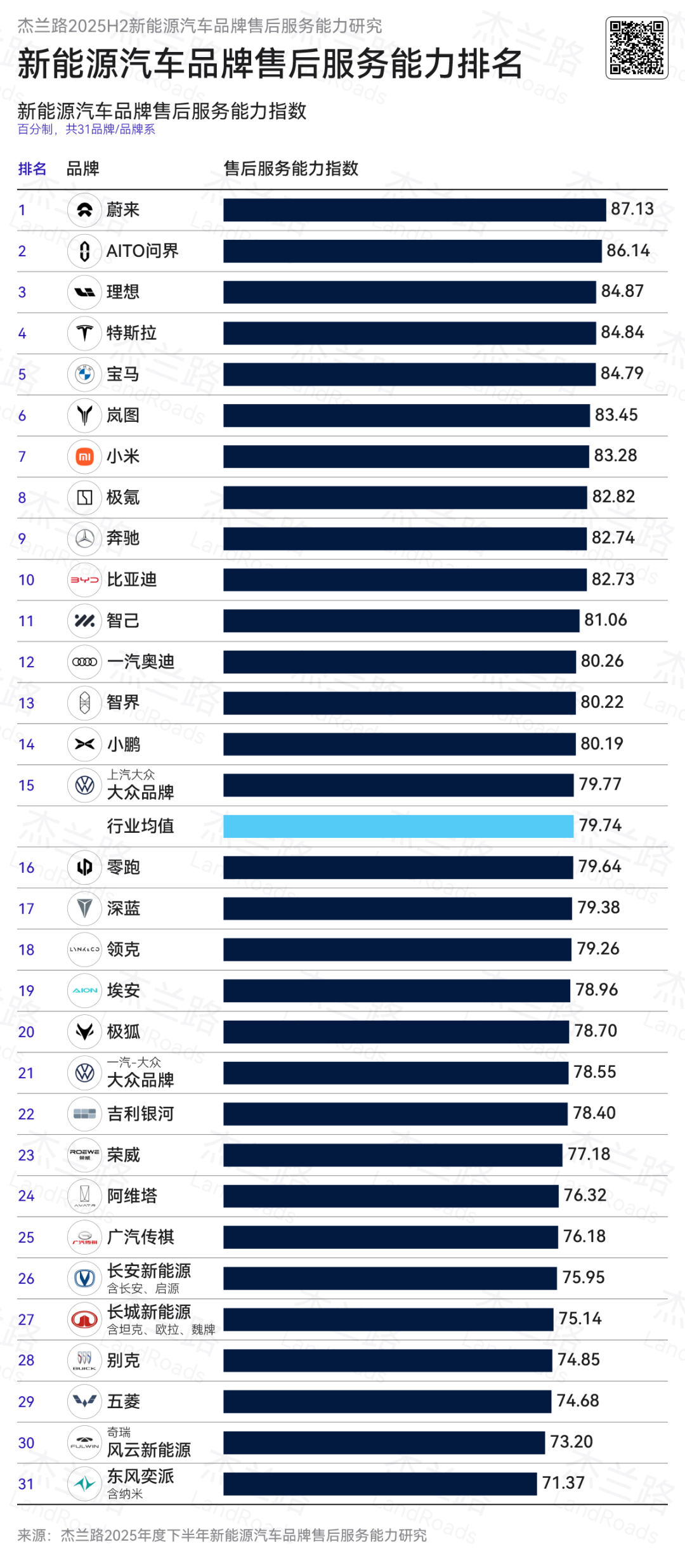
- •After-sales woes: only 118 full-service centers for 526 stores, low recommendation score
- •2026 intel shift: nationwide urban assist Q2, VLA大模型 on D19 for full-scenario driving
🧠 Deep Insight
AI-generated analysis for this event — not the original article.
🔑 Enhanced Key Takeaways
- •Leapmotor's strategic partnership with Stellantis has accelerated its international expansion, with the C10 and T03 models serving as the primary vehicles for European market entry to offset domestic price competition.
- •The company's 'in-house R&D' strategy extends beyond software to include proprietary power electronics and chassis components, which Leapmotor claims accounts for over 60% of the vehicle's total cost structure.
- •To address the after-sales bottleneck, Leapmotor is transitioning toward a 'service-hub' model, leveraging Stellantis's existing dealer network in overseas markets while restructuring domestic service agreements to improve customer retention.
📊 Competitor Analysis▸ Show
| Feature | Leapmotor (C-Series) | XPeng (MONA/P7+) | Xiaomi (SU7) |
|---|---|---|---|
| Pricing Strategy | High cost-efficiency/Value | Mid-range tech-focused | Premium performance |
| NOA Capability | Urban NOA (Q2 2026) | Advanced Urban/End-to-End | Advanced Urban/End-to-End |
| Compute Platform | D19 (1280 TOPS) | Orin-X / Proprietary | Orin-X / Proprietary |
| Market Positioning | Mass-market family | Tech-savvy youth | Lifestyle/Performance |
🛠️ Technical Deep Dive
- •LEAP3.5 Architecture: Utilizes a centralized electronic and electrical (E/E) architecture that integrates domain controllers to reduce wiring harness complexity and weight.
- •D19 Compute Platform: A high-performance domain controller designed for VLA (Vision-Language-Action) models, supporting multi-modal sensor fusion including LiDAR, 8MP cameras, and ultrasonic sensors.
- •VLA Model Implementation: Employs an end-to-end neural network architecture that maps raw sensor input directly to control outputs (steering, throttle, braking), bypassing traditional rule-based coding for complex urban scenarios.
- •Parts Commonality: Achieved through a modular 'skateboard' chassis design that allows the same battery pack and powertrain modules to be swapped across the C10, C11, and C16 product lines.
🔮 Future ImplicationsAI analysis grounded in cited sources
⏳ Timeline
Weekly AI Recap
Read this week's curated digest of top AI events →
👉Related Updates

AI-curated news aggregator. All content rights belong to original publishers.
Original source: 虎嗅 ↗
This is a summary, not the original. Read the source, or get the weekly briefing.
The weekly digest
One email a week. Unsubscribe anytime.