Language majors and public teaching roles face recruitment slump
💡Understand how AI-driven automation is reshaping academic trends and the future of language-based careers.
⚡ 30-Second TL;DR
What Changed
AI translation technology is significantly impacting the perceived value of traditional language degrees.
Why It Matters
This reflects a broader societal shift where AI automation is forcing a re-evaluation of human-centric skill sets in higher education.
What To Do Next
Monitor the impact of LLMs on professional translation and language-based roles to adjust your skill acquisition strategy.
Key Points
- •AI translation technology is significantly impacting the perceived value of traditional language degrees.
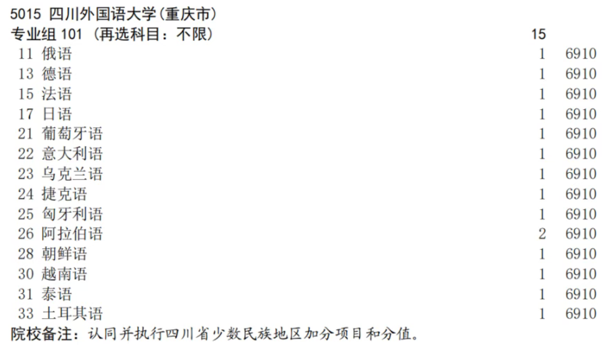
- •Public teaching programs show extreme polarization based on location and prestige.
- •Universities are increasingly adjusting or canceling language departments due to market demand.
🧠 Deep Insight
AI-generated analysis for this event — not the original article.
🔑 Enhanced Key Takeaways
- •The decline in language major enrollment is exacerbated by the 'golden rice bowl' effect, where students increasingly prioritize STEM and vocational degrees over humanities to ensure immediate post-graduation employment stability.
- •Data from China's Ministry of Education indicates a structural mismatch where the supply of graduates from traditional foreign language programs exceeds the absorption capacity of the current labor market.
- •The 'Teacher Recruitment Exam' (Bianzhi) has become increasingly competitive, with rural and remote regions struggling to fill vacancies despite high overall application numbers, creating a geographic paradox in recruitment.
- •Universities are pivoting toward 'New Liberal Arts' (Xin Wenke) initiatives, which attempt to integrate language studies with interdisciplinary fields like international trade, digital media, and cross-cultural communication to improve employability.
- •The proliferation of Large Language Models (LLMs) has shifted the demand for language graduates from basic translation and interpretation tasks toward high-level roles requiring cultural nuance, strategic negotiation, and localized content creation.
🔮 Future ImplicationsAI analysis grounded in cited sources
⏳ Timeline
Weekly AI Recap
Read this week's curated digest of top AI events →
👉Related Updates



AI-curated news aggregator. All content rights belong to original publishers.
Original source: 虎嗅 ↗
This is a summary, not the original. Read the source, or get the weekly briefing.
The weekly digest
One email a week. Unsubscribe anytime.