Kenya tax proposals threaten local phone assembly plants
💡Understand how regional tax policy shifts impact hardware assembly costs for edge AI and IoT deployments.
⚡ 30-Second TL;DR
What Changed
Proposed tax changes in Kenya could negatively impact local hardware assembly operations.
Why It Matters
Policy shifts in hardware manufacturing hubs directly affect the supply chain for edge AI devices. Practitioners should monitor how tax volatility impacts the cost and availability of local hardware.
What To Do Next
Diversify your hardware supply chain strategy to mitigate risks associated with sudden regional tax or policy changes.
Key Points
- •Proposed tax changes in Kenya could negatively impact local hardware assembly operations.
- •M-KOPA and Sun King are key players in the local assembly ecosystem.
- •The policy shift risks reversing the progress made under the Finance Act 2022.
🧠 Deep Insight
Background and context from public sources — not the original article. 12 sources cited.
🔑 Enhanced Key Takeaways
- •The Finance Bill 2026 proposes to remove the zero-rated VAT status for locally assembled phones, introduce a 25% excise duty on domestically manufactured devices, and exempt imported finished phones from the Import Declaration Fee and Railway Development Levy, effectively making local products more expensive and imports cheaper.
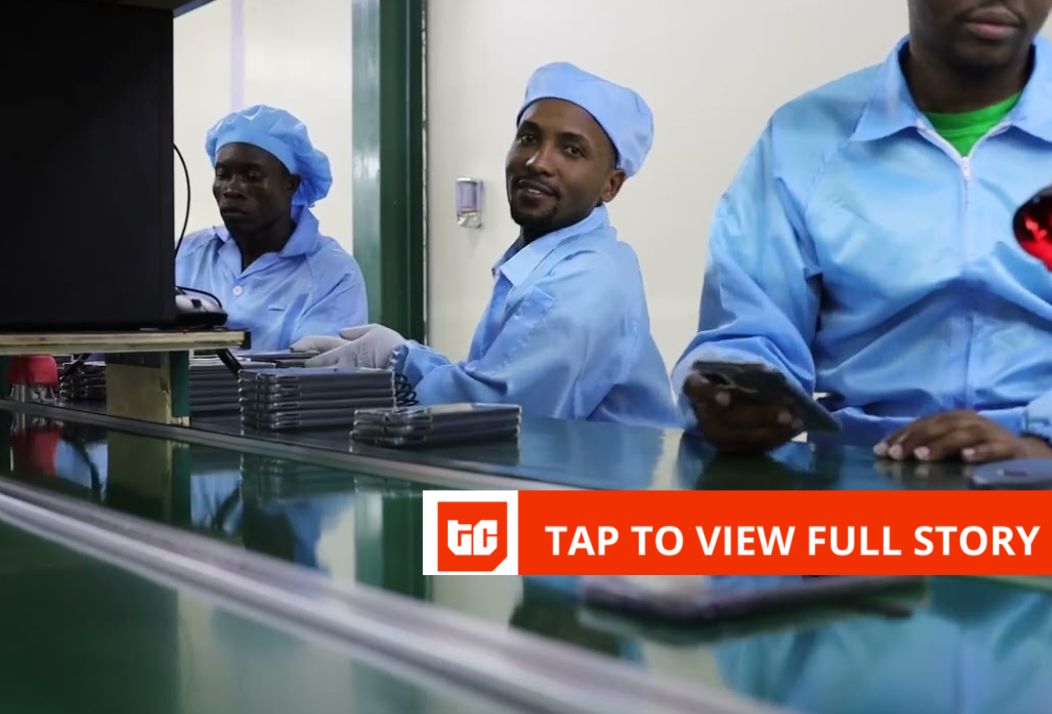
- •M-KOPA's smartphone assembly plant, launched in partnership with HMD (Human Mobile Devices) in January 2023, is recognized as the largest in sub-Saharan Africa, boasting a monthly production capacity of 300,000 smartphones and employing approximately 500 workers.
- •Sun King, a company previously known for solar products, diversified into smartphone manufacturing by establishing its first large-scale assembly facility in Nairobi in October 2025, with an annual production capacity of up to 700,000 units.
- •The proposed tax changes are expected to significantly increase manufacturing costs for local assemblers, as they will no longer be able to recover VAT paid on essential production inputs such as components, spare parts, and electricity.
- •Industry analysts and players warn that the new tax proposals could inadvertently encourage consumers to turn to the informal or 'grey' market for more affordable phones, thereby undermining government efforts to formalize the market and collect tax revenues.
🛠️ Technical Deep Dive
- M-KOPA: Assembles the M-KOPA X20 smartphone in Kenya. The assembly process, conducted in partnership with HMD, involves various stages from initial assembly to rigorous quality testing, adhering to standards that have earned the facility ISO 9001 certification.
- Sun King: Produces the EZ 1 smartphone, an entry-level device. Its specifications include 4GB of RAM (with an additional 4GB of virtual RAM), 128GB of internal storage (expandable up to 256GB), a 6.56-inch HD+ display, a 13MP rear camera, an 8MP front camera, and a 5000mAh battery. The phone also incorporates fingerprint and facial recognition for security.
🔮 Future ImplicationsAI analysis grounded in cited sources
⏳ Timeline
📎 Sources (12)
Factual claims are grounded in the sources below. Forward-looking analysis is AI-generated interpretation.
Weekly AI Recap
Read this week's curated digest of top AI events →
👉Related Updates
AI-curated news aggregator. All content rights belong to original publishers.
Original source: TechCabal ↗
This is a summary, not the original. Read the source, or get the weekly briefing.
The weekly digest
One email a week. Unsubscribe anytime.