Kennedy Space Center faces challenges for Starship launch frequency
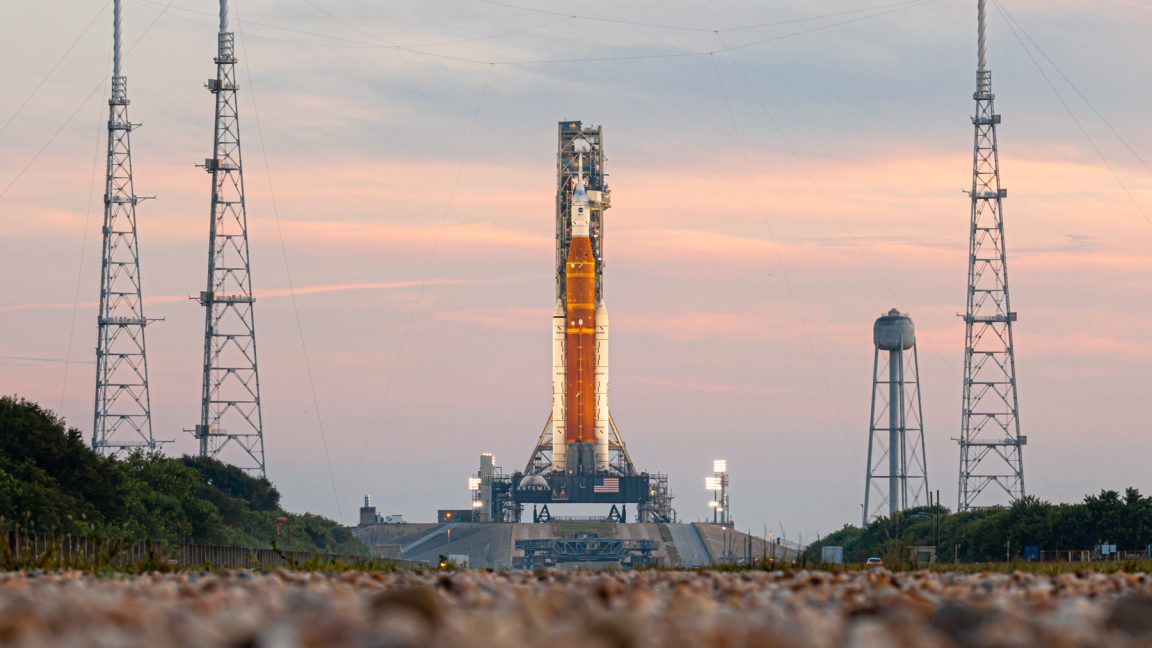
Infrastructure constraints at KSC may impact the launch cadence of next-gen AI-enabled satellite constellations.
30-Second TL;DR
What Changed
Kennedy Space Center lacks necessary infrastructure for super heavy rocket cadence
Why It Matters
The bottleneck in launch infrastructure could delay the deployment of large-scale satellite constellations and deep-space missions. This highlights the critical need for automated ground control systems in aerospace engineering.
What To Do Next
Monitor SpaceX launch cadence updates to assess the availability of low-cost orbital deployment for AI-driven satellite edge computing projects.
Key Points
- •Kennedy Space Center lacks necessary infrastructure for super heavy rocket cadence
- •SpaceX aims for an aggressive launch schedule of once every eight days
- •Current ground support equipment is insufficient for Starship's operational scale
Deep Insight
AI-generated analysis for this event — not the original article.
Enhanced Key Takeaways
- •The environmental impact assessment for LC-39A and potential new pads at Kennedy Space Center is currently a primary bottleneck for regulatory approval of high-cadence operations.
- •SpaceX is investing in advanced propellant storage and rapid-refill systems at KSC to mitigate the massive cryogenic fluid requirements of the Super Heavy booster.
- •NASA's Artemis program requirements create scheduling conflicts at LC-39A, forcing SpaceX to prioritize Starship-specific infrastructure elsewhere on the Space Coast.
- •The 'every eight days' cadence requires a fundamental redesign of the sound suppression and flame trench systems to prevent rapid degradation between launches.
- •Local logistics, including the transport of massive Starship sections from Starbase to Florida, are straining existing road and barge infrastructure near the Kennedy Space Center.
Competitor Analysis
- SpaceX Starship
- Fully Reusable
- Blue Origin New Glenn
- Reusable Booster
- ULA Vulcan Centaur
- Expendable/Partial
- SpaceX Starship
- 100-150+ tons
- Blue Origin New Glenn
- 45 tons
- ULA Vulcan Centaur
- 27 tons
- SpaceX Starship
- High (Daily/Weekly)
- Blue Origin New Glenn
- Moderate
- ULA Vulcan Centaur
- Moderate
- SpaceX Starship
- Operational/Testing
- Blue Origin New Glenn
- Testing/Development
- ULA Vulcan Centaur
- Operational
| Feature | SpaceX Starship | Blue Origin New Glenn | ULA Vulcan Centaur |
|---|---|---|---|
| Reusability | Fully Reusable | Reusable Booster | Expendable/Partial |
| Payload to LEO | 100-150+ tons | 45 tons | 27 tons |
| Launch Cadence Goal | High (Daily/Weekly) | Moderate | Moderate |
| Status | Operational/Testing | Testing/Development | Operational |
Technical Deep Dive
- Starship requires approximately 4,600 tons of liquid methane and liquid oxygen per launch, necessitating massive onsite tank farms that exceed current KSC storage capacity.
- The launch mount at KSC must be upgraded to a 'Stage Zero' configuration similar to Starbase, featuring a water-deluge system capable of handling 33 Raptor engines' acoustic energy.
- Rapid turnaround requires automated robotic inspection systems for the heat shield tiles, as manual inspection is incompatible with an eight-day cadence.
- The propellant loading system must transition to a high-pressure, high-flow rate architecture to complete fueling in under 60 minutes to meet the launch window requirements.
Future ImplicationsAI analysis grounded in cited sources
Timeline
- 2019-04SpaceX begins initial Starship infrastructure modifications at LC-39A.
- 2023-04First integrated flight test of Starship occurs from Starbase, Texas.
- 2024-10SpaceX successfully catches the Super Heavy booster at Starbase, proving recovery feasibility.
- 2025-08SpaceX submits formal request for increased launch cadence at Kennedy Space Center.
- 2026-03FAA initiates environmental review for expanded Starship operations at KSC.
Weekly AI Recap
Read this week's curated digest of top AI events →
AI-curated news aggregator. All content rights belong to original publishers.
Original source: Ars Technica ↗
This is a summary, not the original. Read the source, or get the weekly briefing.
The weekly digest
One email a week. Unsubscribe anytime.