Kansas Town Ends Public Comment on AI Data Center
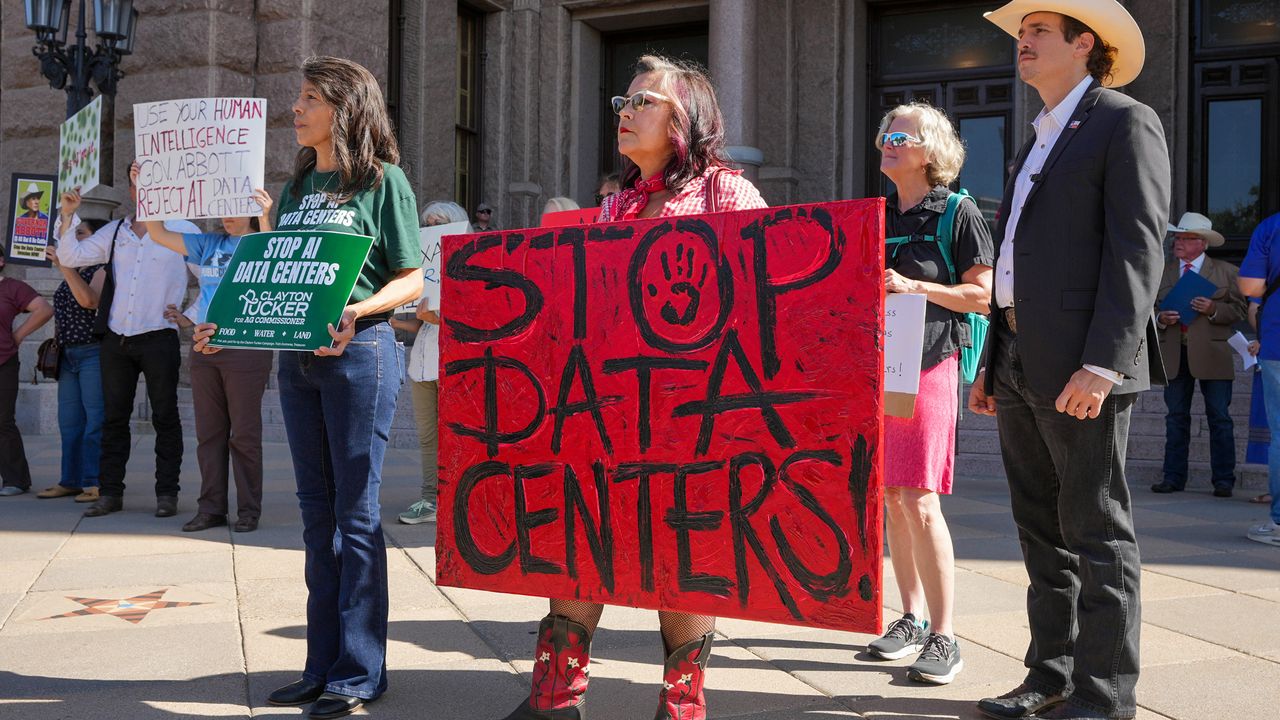
A gigawatt AI data center is forcing new questions about security, transparency, and community consent.
30-Second TL;DR
What Changed
Emporia shifted city council meetings to a virtual format
Why It Matters
The episode highlights how large AI infrastructure projects can create severe community, governance, and security risks beyond technical deployment. Removing public comment may reduce immediate threats but can also intensify concerns about transparency and consent.
What To Do Next
Add a documented community-engagement and threat-assessment plan to every AI data-center deployment before submitting site or permitting proposals.
Key Points
- •Emporia shifted city council meetings to a virtual format
- •The change followed intensified death threats against city leaders
- •Public comments were canceled along with in-person meetings
- •The dispute centers on a gigawatt-scale AI data center
Deep Insight
AI-generated analysis for this event — not the original article.
Enhanced Key Takeaways
- •The proposed data center project is linked to a major technology firm's infrastructure expansion, specifically targeting the Midwest to leverage lower energy costs and available land.
- •Local opposition has been fueled by concerns over the facility's massive water consumption requirements for cooling, which residents fear will strain the municipal water supply.
- •The Kansas Corporation Commission has been drawn into the debate due to the project's potential impact on regional electrical grid stability and utility rates for existing customers.
- •Law enforcement agencies have launched formal investigations into the origin of the death threats, which reportedly originated from both local and external sources.
- •The city of Emporia has faced criticism from transparency advocates who argue that the shift to virtual meetings violates the spirit of the Kansas Open Meetings Act.
Technical Deep Dive
- The proposed facility is designed as a gigawatt-scale campus, requiring dedicated high-voltage transmission lines to connect directly to the regional power grid.
- Cooling infrastructure is expected to utilize a closed-loop liquid cooling system, though peak load requirements necessitate significant water usage for evaporative cooling towers.
- The site architecture includes redundant power substations to support high-density GPU clusters, likely configured for massive-scale AI model training and inference workloads.
Future ImplicationsAI analysis grounded in cited sources
Timeline
- 2026-03Initial proposal for the gigawatt-scale data center is presented to Emporia city officials.
- 2026-05Public opposition intensifies as environmental impact reports regarding water usage are released.
- 2026-07City leaders report receiving credible death threats, leading to increased security measures.
- 2026-08Emporia city council officially transitions to virtual meetings and suspends public comment periods.
Weekly AI Recap
Read this week's curated digest of top AI events →
AI-curated news aggregator. All content rights belong to original publishers.
Original source: Tom's Hardware ↗
This is a summary, not the original. Read the source, or get the weekly briefing.
The weekly digest
One email a week. Unsubscribe anytime.