Judge blocks Trump from deporting content moderation researchers
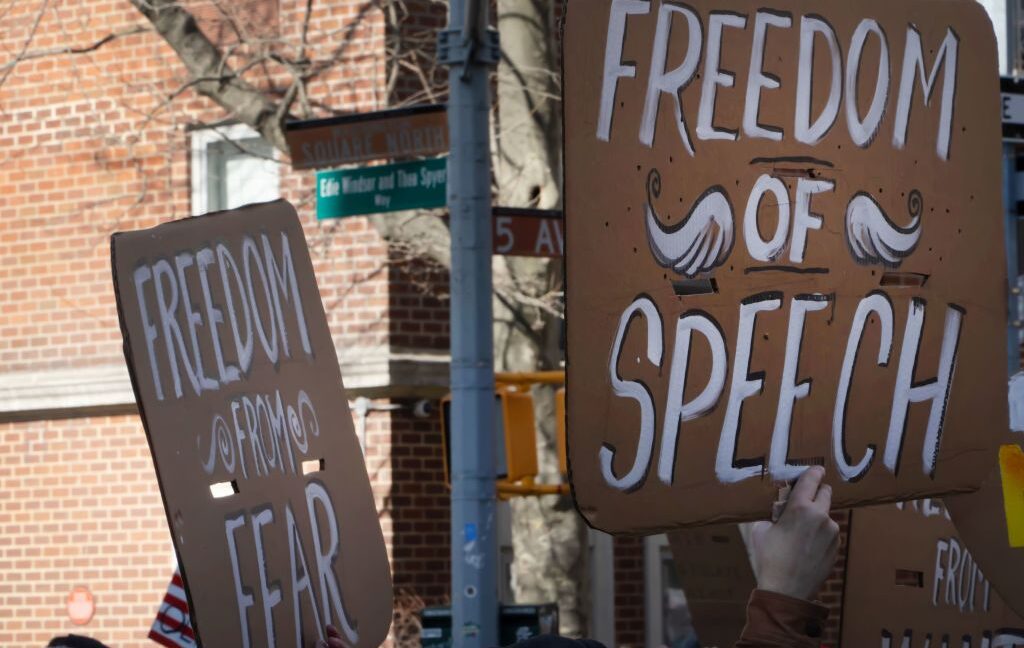
💡Crucial legal precedent for AI safety researchers; learn how this ruling protects your ability to study AI content.
⚡ 30-Second TL;DR
What Changed
Ruling protects researchers from visa denials based on moderation work
Why It Matters
This ruling provides a critical legal shield for AI safety and disinformation researchers, ensuring they can continue analyzing platform algorithms without fear of state retaliation.
What To Do Next
If you are an international researcher working on AI safety or content moderation, document your research methodology clearly to distinguish it from political advocacy.
Key Points
- •Ruling protects researchers from visa denials based on moderation work
- •Disinformation research is legally distinguished from political interference
- •Protects the academic freedom of AI and social media researchers
🧠 Deep Insight
AI-generated analysis for this event.
🔑 Enhanced Key Takeaways
- •The ruling specifically addresses the interpretation of the Immigration and Nationality Act, preventing the executive branch from classifying content moderation as 'foreign interference' or 'subversive activity' for visa purposes.
- •The case was brought by a coalition of academic institutions and civil liberties groups, arguing that the administration's policy constituted viewpoint discrimination under the First Amendment.
- •The Department of Justice had previously argued that researchers working with social media platforms were acting as agents of foreign influence, a claim the judge rejected due to lack of evidence.
- •This injunction applies nationwide, covering all researchers currently holding or applying for O-1 and H-1B visas who are engaged in public-interest disinformation studies.
- •The court mandated that the government must establish a clear, evidence-based standard for 'foreign interference' that excludes standard academic research practices.
🔮 Future ImplicationsAI analysis grounded in cited sources
⏳ Timeline
Weekly AI Recap
Read this week's curated digest of top AI events →
👉Related Updates

AI-curated news aggregator. All content rights belong to original publishers.
Original source: Ars Technica ↗