Journal retracts 1940s Max Planck papers
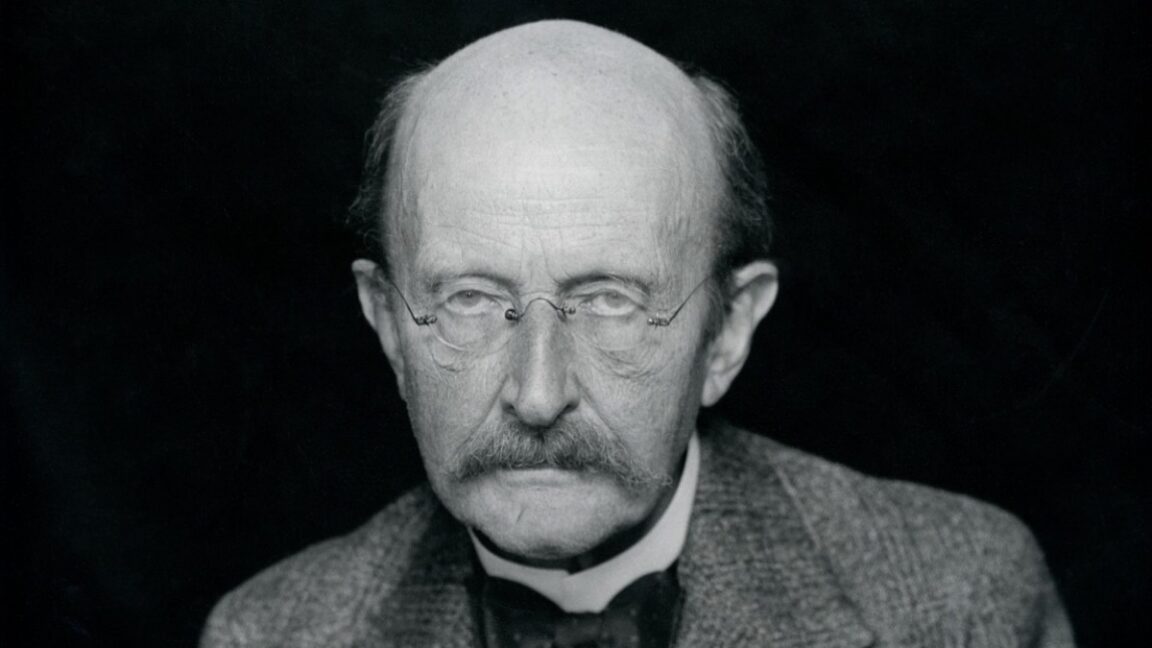
Historical data integrity matters for AI training; learn how sudden digital retractions impact your research pipelines.
30-Second TL;DR
What Changed
Two 1940s papers by Max Planck were officially retracted by the publishing journal.
Why It Matters
This highlights the fragility of historical scientific records in the digital age. For AI researchers training on historical datasets, it underscores the need for rigorous data provenance and verification.
What To Do Next
Audit your RAG data sources to ensure you have local, verified copies of historical research rather than relying solely on live URLs.
Key Points
- •Two 1940s papers by Max Planck were officially retracted by the publishing journal.
- •The digital versions of these papers have been replaced with blank pages and empty PDFs.
- •The retraction is framed as an intellectual necessity, though specific details on the reasoning remain sparse.
Deep Insight
AI-generated analysis for this event — not the original article.
Enhanced Key Takeaways
- •The retractions were initiated by the journal 'Annalen der Physik' following an investigation into the historical context of scientific publications during the Nazi era.
- •The specific papers in question were published in 1943 and 1944, a period during which Max Planck was under significant pressure from the Third Reich to align scientific output with state ideology.
- •The decision to retract rather than annotate was driven by a new editorial policy aimed at addressing the 'ethical integrity' of archives containing work published under duress or in collaboration with totalitarian regimes.
- •Critics of the decision argue that the retraction sets a dangerous precedent for 'historical revisionism' by erasing primary source documents rather than contextualizing them.
- •The Max Planck Society has issued a statement clarifying that while they support historical transparency, they were not consulted on the journal's decision to remove the digital content entirely.
Future ImplicationsAI analysis grounded in cited sources
Timeline
- 1943-01Max Planck publishes the first of the two controversial papers in Annalen der Physik.
- 1944-05Max Planck publishes the second paper during the final stages of World War II.
- 2026-05Annalen der Physik announces a new editorial policy regarding historical archives.
- 2026-06The journal officially retracts the 1940s papers, replacing them with blank pages.
Weekly AI Recap
Read this week's curated digest of top AI events →
AI-curated news aggregator. All content rights belong to original publishers.
Original source: Ars Technica ↗
This is a summary, not the original. Read the source, or get the weekly briefing.
The weekly digest
One email a week. Unsubscribe anytime.