Jobs AI Can’t Do – Young Adults Excelling
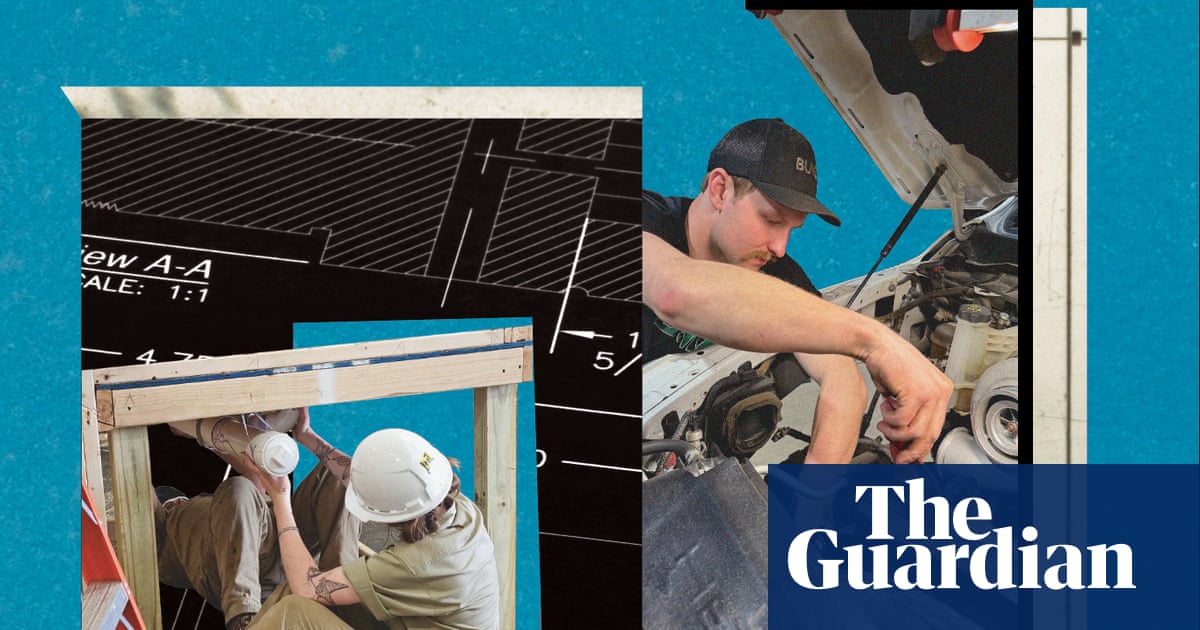
💡Uncover jobs where humans beat AI – refine automation strategies now
⚡ 30-Second TL;DR
What Changed
Stigma of hands-on jobs fading for young workforce entrants
Why It Matters
Highlights persistent human advantages in physical and expert hands-on roles, urging AI focus on augmentation over replacement. AI practitioners can target hybrid systems for stubborn automation challenges.
What To Do Next
Benchmark your AI models on physical reasoning tasks using BIG-bench Hard subset.
Key Points
- •Stigma of hands-on jobs fading for young workforce entrants
- •High earnings and expertise in AI-resistant specialized fields
- •Cale Mouser example: 23yo, >$100k salary, deep problem-solving not desk-bound
🧠 Deep Insight
AI-generated analysis for this event — not the original article.
🔑 Enhanced Key Takeaways
- •The 'Blue-Collar Renaissance' is being driven by a critical shortage of skilled tradespeople, with data from organizations like the National Association of Manufacturers indicating millions of unfilled positions through 2030, creating significant wage leverage for young entrants.
- •Vocational education enrollment is seeing a marked increase as Gen Z prioritizes 'recession-proof' careers over traditional four-year degrees, fueled by the rising cost of higher education and the perceived instability of white-collar roles vulnerable to generative AI automation.
- •The integration of 'human-in-the-loop' technologies in specialized trades—such as augmented reality (AR) for complex machinery repair—is augmenting, rather than replacing, human expertise, allowing younger workers to reach proficiency faster than traditional apprenticeship models.
🔮 Future ImplicationsAI analysis grounded in cited sources
Weekly AI Recap
Read this week's curated digest of top AI events →
👉Related Updates
AI-curated news aggregator. All content rights belong to original publishers.
Original source: The Guardian Technology ↗
This is a summary, not the original. Read the source, or get the weekly briefing.
The weekly digest
One email a week. Unsubscribe anytime.