Jingzhida Revenue Booms, Profits Dip in Chip Bet

💡Semiconductor testing boom powers AI chips—watch funding shift
⚡ 30-Second TL;DR
What Changed
Semiconductor testing now largest revenue source
Why It Matters
Boosts China's semiconductor testing capacity, critical for AI chip production amid global supply tensions. Could lower testing costs for AI hardware makers long-term.
What To Do Next
Assess Jingzhida's testing solutions for your next-gen AI chip validation pipeline.
Key Points
- •Semiconductor testing now largest revenue source
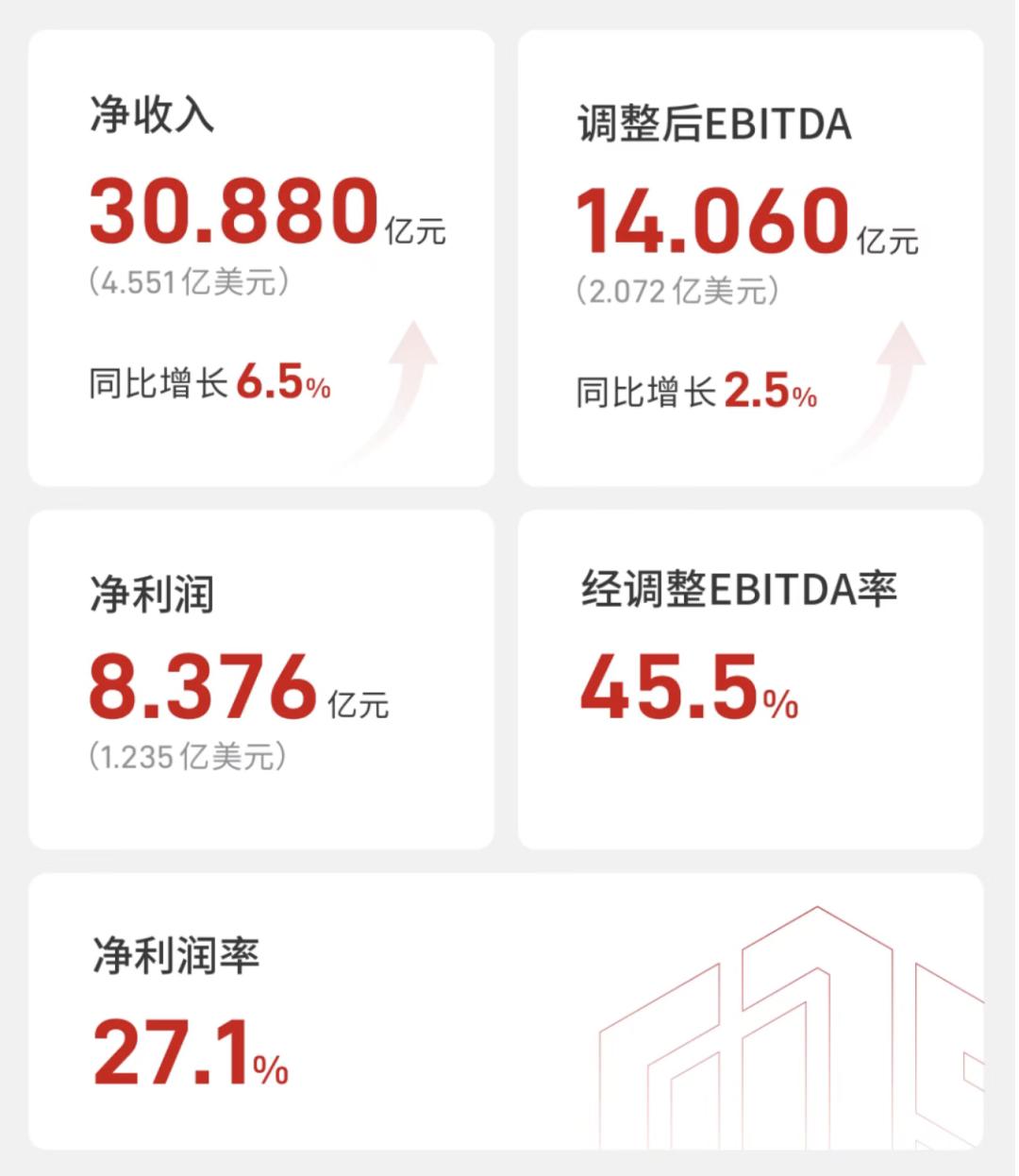
- •Revenue surges but net profits lag behind
- •3B RMB raise for semiconductor testing expansion
🧠 Deep Insight
AI-generated analysis for this event — not the original article.
🔑 Enhanced Key Takeaways
- •Jingzhida's profit margin compression is primarily attributed to high R&D intensity and the aggressive acquisition of talent required to pivot from traditional testing equipment to advanced semiconductor storage testing.
- •The 3 billion RMB capital raise is specifically earmarked for the construction of a new 'Intelligent Semiconductor Testing Industrial Park' to localize the supply chain for high-end memory testers.
- •The company is shifting its business model from selling standalone hardware to providing integrated 'Testing-as-a-Service' (TaaS) solutions to domestic Chinese memory manufacturers to secure long-term recurring revenue.
📊 Competitor Analysis▸ Show
| Feature | Jingzhida | Advantest | Teradyne |
|---|---|---|---|
| Core Focus | Memory/Storage Testing | High-end SoC/Memory | SoC/Analog/Memory |
| Market Position | Emerging Domestic Player | Global Market Leader | Global Market Leader |
| Pricing Strategy | Aggressive/Cost-Competitive | Premium/High-Margin | Premium/High-Margin |
| R&D Focus | Localization/Cost-Reduction | Advanced Node/AI Chips | High-Speed/Mixed-Signal |
🛠️ Technical Deep Dive
- •Jingzhida's latest memory testers utilize a proprietary high-speed FPGA-based architecture capable of supporting DDR5 and LPDDR5X protocols.
- •The equipment incorporates a multi-site parallel testing capability, allowing for the simultaneous testing of up to 128 memory chips, significantly reducing the Cost of Test (CoT).
- •The software stack includes an AI-driven defect classification module that utilizes machine learning to identify wafer-level yield patterns in real-time.
🔮 Future ImplicationsAI analysis grounded in cited sources
⏳ Timeline
Weekly AI Recap
Read this week's curated digest of top AI events →
👉Related Updates


AI-curated news aggregator. All content rights belong to original publishers.
Original source: 钛媒体 ↗
This is a summary, not the original. Read the source, or get the weekly briefing.
Weekly AI briefing
One email a week. Unsubscribe anytime.