Japan Prioritizes AI, Quantum, Drones Investments
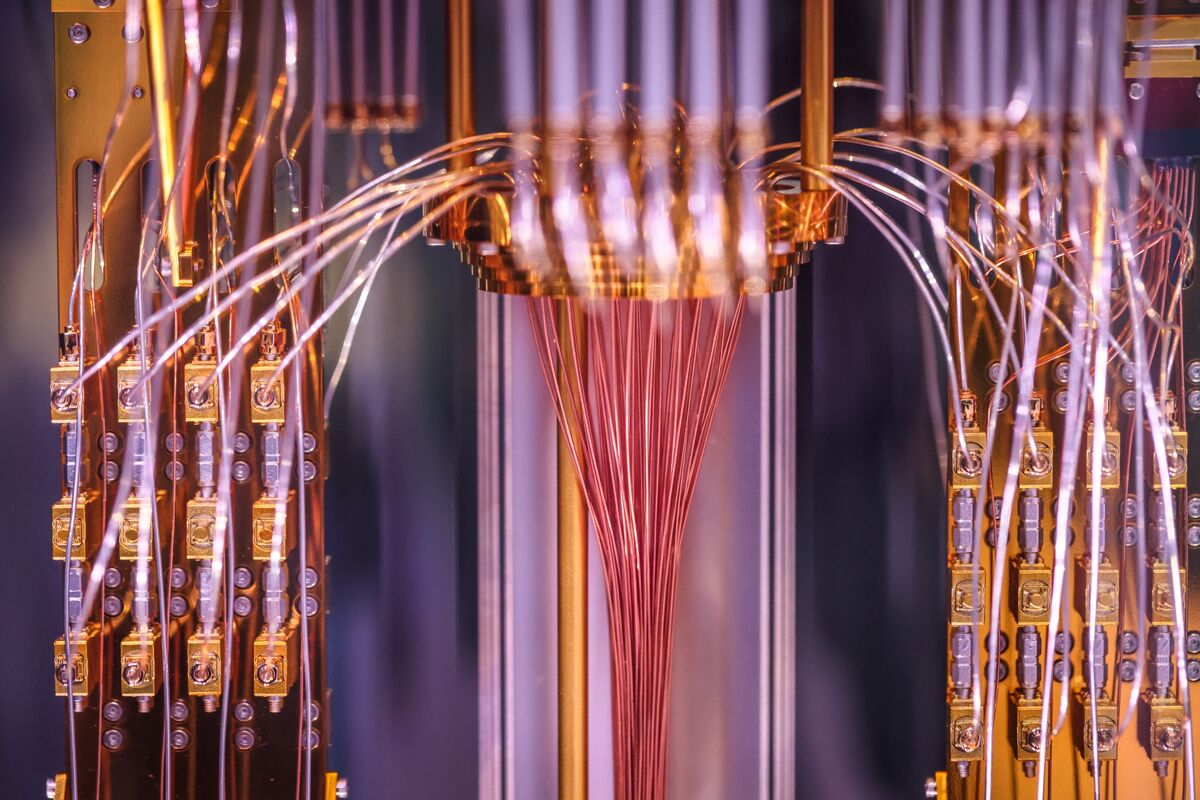
💡Japan commits funds to AI/quantum—spot funding opps in 17 key sectors.
⚡ 30-Second TL;DR
What Changed
Dozens of tech targets identified
Why It Matters
Boosts Japan's AI ecosystem with government-backed funding, creating opportunities for international AI firms and researchers. May intensify global competition in strategic tech areas.
What To Do Next
Visit Japan's METI site to download the full list of 17 sectors for AI grant applications.
Key Points
- •Dozens of tech targets identified
- •Includes AI, quantum computing, drones
- •Advances PM Sanae Takaichi’s economic plan
- •17 strategic sectors for funding
🧠 Deep Insight
Background and context from public sources — not the original article. 6 sources cited.
🔑 Enhanced Key Takeaways
- •Japan's FY 2026 METI budget allocates ¥1.23 trillion ($8.2 billion) for semiconductors and AI—nearly four times the prior level—with ¥150 billion dedicated to Rapidus for advanced logic chip manufacturing and ¥387.3 billion for domestic AI development including foundation models and physical AI applications[2].
- •The government is shifting from one-off supplementary packages to predictable 'base' funding for frontier technologies, signaling long-term commitment to reduce end-of-year uncertainty for capital-intensive projects like semiconductor fabrication plants and ecosystem development[2].
- •Japan targets 80% generative AI adoption across sectors (currently far below US and China levels) through a trillion-yen infrastructure investment, with coordinated public-private initiatives in healthcare, finance, and agriculture monitored through annual progress updates[4].
- •Quantum research receives ¥130 billion ($855 million) in supplementary funding to establish new R&D bases at AIST and enhance collaboration among domestic quantum hubs, representing part of a ¥400 billion ($2.6 billion) total allocation across quantum, AI, and nuclear fusion[1].
🔮 Future ImplicationsAI analysis grounded in cited sources
⏳ Timeline
📎 Sources (6)
Factual claims are grounded in the sources below. Forward-looking analysis is AI-generated interpretation.
- thequantuminsider.com — Japan Channels Almost 900 Million U S Into Quantum Push
- eenewseurope.com — Meti Budget Hike Japan Chip AI Fy 2026
- autonomyglobal.co — Japans Next Wave of Autonomy Show Stopping Tech From Ces 2026
- dig.watch — Japan Plans Large Scale Investment to Boost AI Capability
- business20channel.tv — 10 Biggest Sovereign AI Initiatives Projects US UK Japan Germany Singapore Israel Canada Saudi 2026 13 December 2024
- mobileworldlive.com — Japan Sets Multi Billion Dollar Chip Target
Weekly AI Recap
Read this week's curated digest of top AI events →
👉Related Updates
AI-curated news aggregator. All content rights belong to original publishers.
Original source: Bloomberg Technology ↗
This is a summary, not the original. Read the source, or get the weekly briefing.
Weekly AI briefing
One email a week. Unsubscribe anytime.