Japan IBM's AI Strategy: 3 Pillars for Legacy Modernization
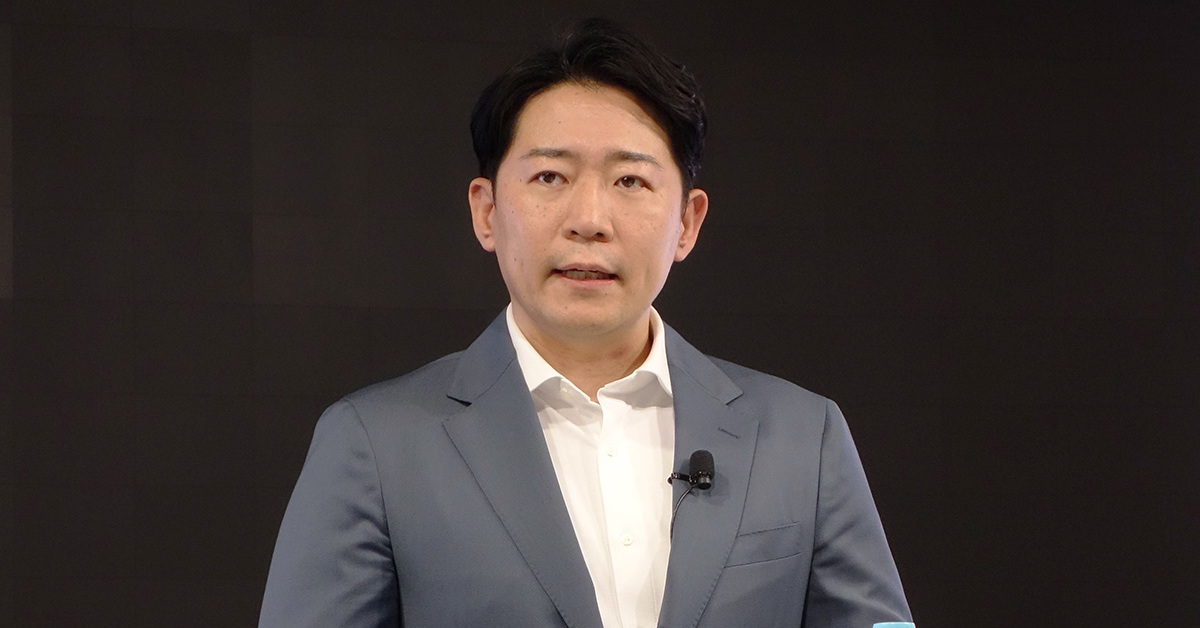
💡IBM's governed AI platform targets enterprise hybrid legacy modernization—key for Japanese firms
⚡ 30-Second TL;DR
What Changed
AI strategy built on '3 pillars' for controllable AI
Why It Matters
This strategy enables enterprises to safely integrate AI into existing hybrid infrastructures, accelerating modernization without full rip-and-replace. It positions IBM as a leader in governed AI for legacy-heavy Japanese firms.
What To Do Next
Evaluate IBM's hybrid AI platform demo for your legacy system integration needs.
Key Points
- •AI strategy built on '3 pillars' for controllable AI
- •2026 marked as year for AI in dev and processes
- •New AI platform with tools and governance launched
- •Targets hybrid setups in large enterprises
- •Focus on modernizing legacy assets
🧠 Deep Insight
Background and context from public sources — not the original article. 8 sources cited.
🔑 Enhanced Key Takeaways
- •Japan IBM's AI strategy positions 2026 as the year for full AI integration into system development and business processes, aligning with industry trends like IBM's focus on agentic AI for enterprise operations[2].
- •The strategy is built on '3 pillars' for controllable AI, echoing common frameworks such as Fujitsu's three pillars of security, flexibility, and domain-specific focus in their Sovereign AI Platform[1].
- •New AI platform launched with development support tools and governance features, targeting hybrid environments for large enterprises and legacy modernization[1][2].
- •Emphasizes strengths in hybrid setups amid 2026 trends like AI orchestration to manage agent sprawl and governance for trust[4].
- •Reflects broader 2026 shift where AI strategies integrate people-first leadership, governance, and multi-agent coordination, as seen in IBM's research on redefining roles[3].
📊 Competitor Analysis▸ Show
| Feature | Japan IBM | Fujitsu |
|---|---|---|
| Pillars | 3 pillars for controllable AI (details unspecified) | Security, Flexibility, Domain-Specific Focus[1] |
| Platform | AI platform with dev tools & governance for hybrid/legacy | Sovereign AI Platform with Takane model, Kozuchi agents, security stack[1] |
| Target | Large enterprises, hybrid, legacy modernization | Defense, gov, healthcare, finance, manufacturing[1] |
| Benchmarks | Not specified | Energy-efficient LLMs, Causal AI commercialization FY2026[1] |
🛠️ Technical Deep Dive
- No specific technical specs, model architecture, or implementation details found for Japan IBM's AI platform in search results.
🔮 Future ImplicationsAI analysis grounded in cited sources
Positions Japan IBM to compete in 2026's agentic AI landscape, focusing on governance and hybrid integration amid trends like agent orchestration and people-first strategies, potentially enhancing enterprise AI adoption while addressing sprawl risks[2][3][4].
📎 Sources (8)
Factual claims are grounded in the sources below. Forward-looking analysis is AI-generated interpretation.
- global.fujitsu — Tl Technology Update 20251224
- ibm.com — Japan
- usaii.org — Turning AI Strategy Into People First Leadership in 2026
- cio.com — Taming Agent Sprawl 3 Pillars of AI Orchestration
- etcjournal.com — Five Emerging AI Trends in Jan 2026 Manifold Constrained Hyper Connections
- cio.com — Why Your 2026 It Strategy Needs an Agentic Constitution
- csis.org — Lost Definition How Confusion Over Agentic AI Risks Governance
- youtube.com — Watch
Weekly AI Recap
Read this week's curated digest of top AI events →
👉Related Updates

AI-curated news aggregator. All content rights belong to original publishers.
Original source: ITmedia AI+ (日本) ↗
This is a summary, not the original. Read the source, or get the weekly briefing.
Weekly AI briefing
One email a week. Unsubscribe anytime.