Is 'Cancer Rejuvenation' Real or Just Over-diagnosis?
Learn why rising cancer statistics might be misleading and how to critically evaluate health data trends.
30-Second TL;DR
What Changed
Global cancer rates in under-50s have risen, but mortality rates for many of these cancers remain stable.
Why It Matters
Understanding over-diagnosis helps prevent unnecessary medical interventions and psychological distress, allowing for more rational health resource allocation.
What To Do Next
When analyzing health data or AI-driven diagnostic tools, always look at mortality trends alongside incidence to avoid misleading conclusions.
Key Points
- •Global cancer rates in under-50s have risen, but mortality rates for many of these cancers remain stable.
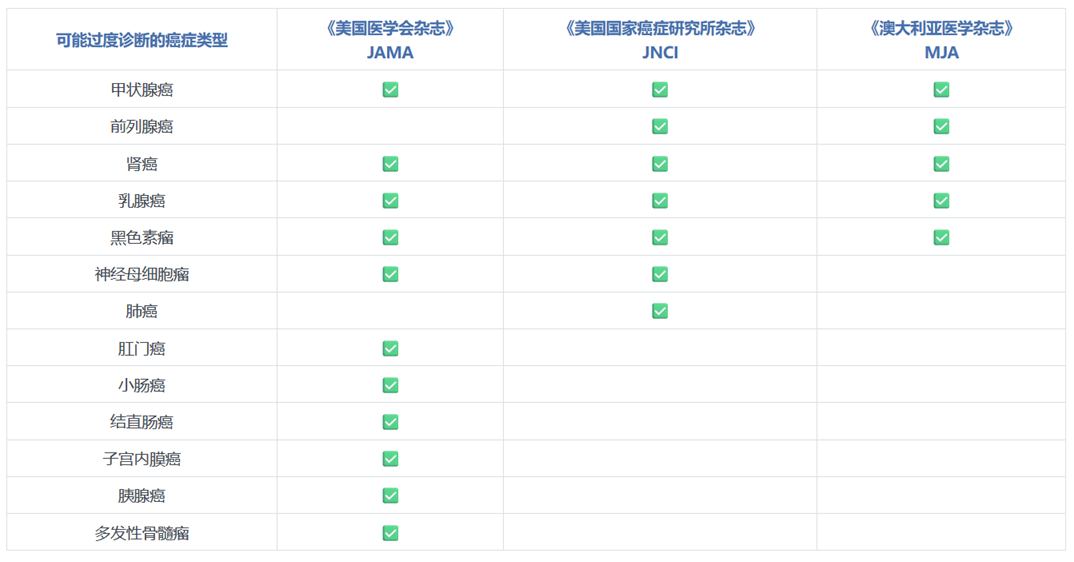
- •Over-diagnosis (detecting cancers that would never cause harm) is a major factor in rising statistics.
- •Lifestyle factors like obesity and ultra-processed foods are linked to genuine increases in specific cancer types.
Deep Insight
AI-generated analysis for this event — not the original article.
Enhanced Key Takeaways
- •The 'Epi-Clock' phenomenon suggests that biological aging in younger populations is accelerating, potentially decoupling chronological age from cancer risk profiles.
- •Liquid biopsy advancements have increased the detection of 'indolent' tumors that lack the genomic instability markers typically associated with metastatic progression.
- •Recent longitudinal studies indicate that the 'birth cohort effect'—where younger generations face higher cumulative exposure to environmental endocrine disruptors—is a primary driver of early-onset colorectal cancer.
- •The 'Lead-Time Bias' in cancer statistics is being exacerbated by the widespread adoption of direct-to-consumer (DTC) whole-body MRI screenings, which often identify benign incidentalomas.
- •Artificial Intelligence-driven pathology tools are now being recalibrated to distinguish between 'indolent' and 'aggressive' phenotypes to reduce overtreatment rates in clinical settings.
Technical Deep Dive
- Genomic Profiling: Utilization of multi-omic signatures (DNA methylation, RNA expression) to differentiate indolent vs. aggressive tumor biology.
- AI Diagnostic Integration: Implementation of deep learning algorithms in radiology to filter out incidentalomas from clinically significant lesions.
- Liquid Biopsy Sensitivity: High-throughput sequencing of circulating tumor DNA (ctDNA) to monitor tumor burden without invasive procedures.
- Epigenetic Clock Analysis: Measuring biological age acceleration via DNA methylation patterns to assess cancer susceptibility in younger cohorts.
Future ImplicationsAI analysis grounded in cited sources
Timeline
- 2022-09Major study published in Nature Reviews Clinical Oncology highlights the global surge in early-onset cancer incidence.
- 2024-03WHO releases updated guidance on cancer screening, emphasizing the need to balance early detection with the risks of over-diagnosis.
- 2025-11Clinical trials begin testing AI-assisted pathology to reduce overtreatment of indolent prostate and thyroid cancers.
Weekly AI Recap
Read this week's curated digest of top AI events →
AI-curated news aggregator. All content rights belong to original publishers.
Original source: 虎嗅 ↗
This is a summary, not the original. Read the source, or get the weekly briefing.
The weekly digest
One email a week. Unsubscribe anytime.