Is a $180M bet on a modified old drug worth it?
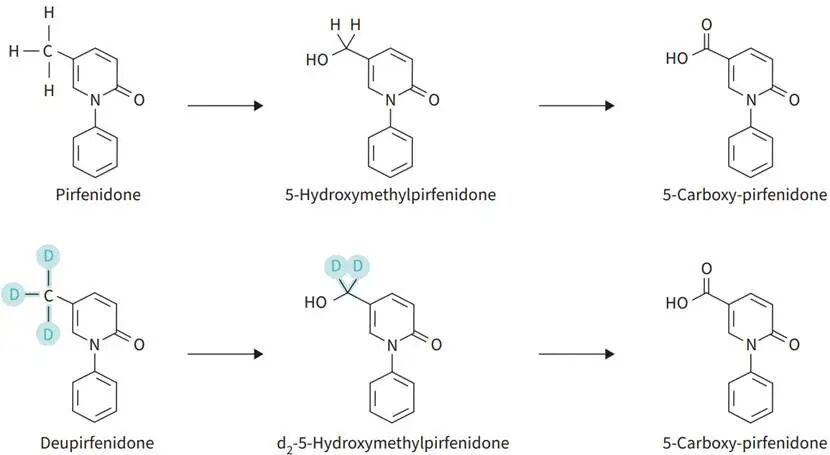
💡A case study on how chemical modification and clinical data can create a high-value biotech investment.
⚡ 30-Second TL;DR
What Changed
Deuterated pirfenidone uses chemical modification to slow metabolism and reduce side effects.
Why It Matters
If successful, this approach validates the 'deuterated modification' strategy for revitalizing off-patent drugs with high unmet needs.
What To Do Next
Research the '505(b)(2)' regulatory pathway if you are working on AI-driven drug repurposing or chemical optimization.
Key Points
- •Deuterated pirfenidone uses chemical modification to slow metabolism and reduce side effects.
- •The $180M funding supports a Phase III head-to-head trial against the original drug.
- •The market opportunity is driven by high discontinuation rates of current standard treatments.
- •Deuteration provides a clear patentable strategy for extending market exclusivity.
🧠 Deep Insight
AI-generated analysis for this event — not the original article.
🔑 Enhanced Key Takeaways
- •Deuterated pirfenidone, often referred to as C-101 or similar developmental codes, utilizes the kinetic isotope effect to strengthen carbon-deuterium bonds, which are more resistant to metabolic cleavage than carbon-hydrogen bonds.
- •The primary clinical challenge for standard pirfenidone (Esbriet) is its significant gastrointestinal and photosensitivity side-effect profile, which leads to dose reductions or treatment discontinuation in a substantial percentage of patients.
- •Celea Therapeutics' strategy leverages the 'deuterium switch' approach, a well-established regulatory pathway that can sometimes qualify for 505(b)(2) approval in the U.S., potentially accelerating the regulatory timeline compared to a new molecular entity.
- •The $180M financing round was led by a consortium of life-science-focused venture capital firms, signaling strong investor confidence in the 'evergreening' strategy of modifying off-patent drugs to secure new intellectual property.
- •Pulmonary fibrosis remains a high-unmet-need market, with current standard-of-care drugs often failing to halt disease progression, creating a commercial opening for therapies that allow patients to maintain higher, more effective doses.
📊 Competitor Analysis▸ Show
| Feature | Pirfenidone (Standard) | Nintedanib (Ofev) | Deuterated Pirfenidone (Celea) |
|---|---|---|---|
| Mechanism | Anti-fibrotic/Anti-inflammatory | Tyrosine Kinase Inhibitor | Deuterated Anti-fibrotic |
| Primary Side Effects | GI distress, Photosensitivity | Diarrhea, Liver enzyme elevation | Reduced metabolic toxicity |
| Patent Status | Expired/Generic | Protected | New IP (Deuteration) |
| Administration | High pill burden | Twice daily | Optimized PK profile |
🛠️ Technical Deep Dive
- Deuteration involves the selective replacement of hydrogen atoms with deuterium at metabolic 'soft spots' on the pirfenidone molecule.
- This modification aims to reduce the formation of specific reactive metabolites that are hypothesized to contribute to the drug's gastrointestinal toxicity.
- The pharmacokinetic goal is to achieve a more stable plasma concentration profile, potentially allowing for a reduction in the frequency of dosing or a higher tolerated daily dose.
- The Phase III trial design utilizes a head-to-head comparison to demonstrate non-inferiority in efficacy while highlighting superior tolerability metrics (e.g., lower discontinuation rates).
🔮 Future ImplicationsAI analysis grounded in cited sources
⏳ Timeline
Weekly AI Recap
Read this week's curated digest of top AI events →
👉Related Updates


AI-curated news aggregator. All content rights belong to original publishers.
Original source: 虎嗅 ↗
This is a summary, not the original. Read the source, or get the weekly briefing.
Weekly AI briefing
One email a week. Unsubscribe anytime.