iRobot Rebuilds to Tap China Market
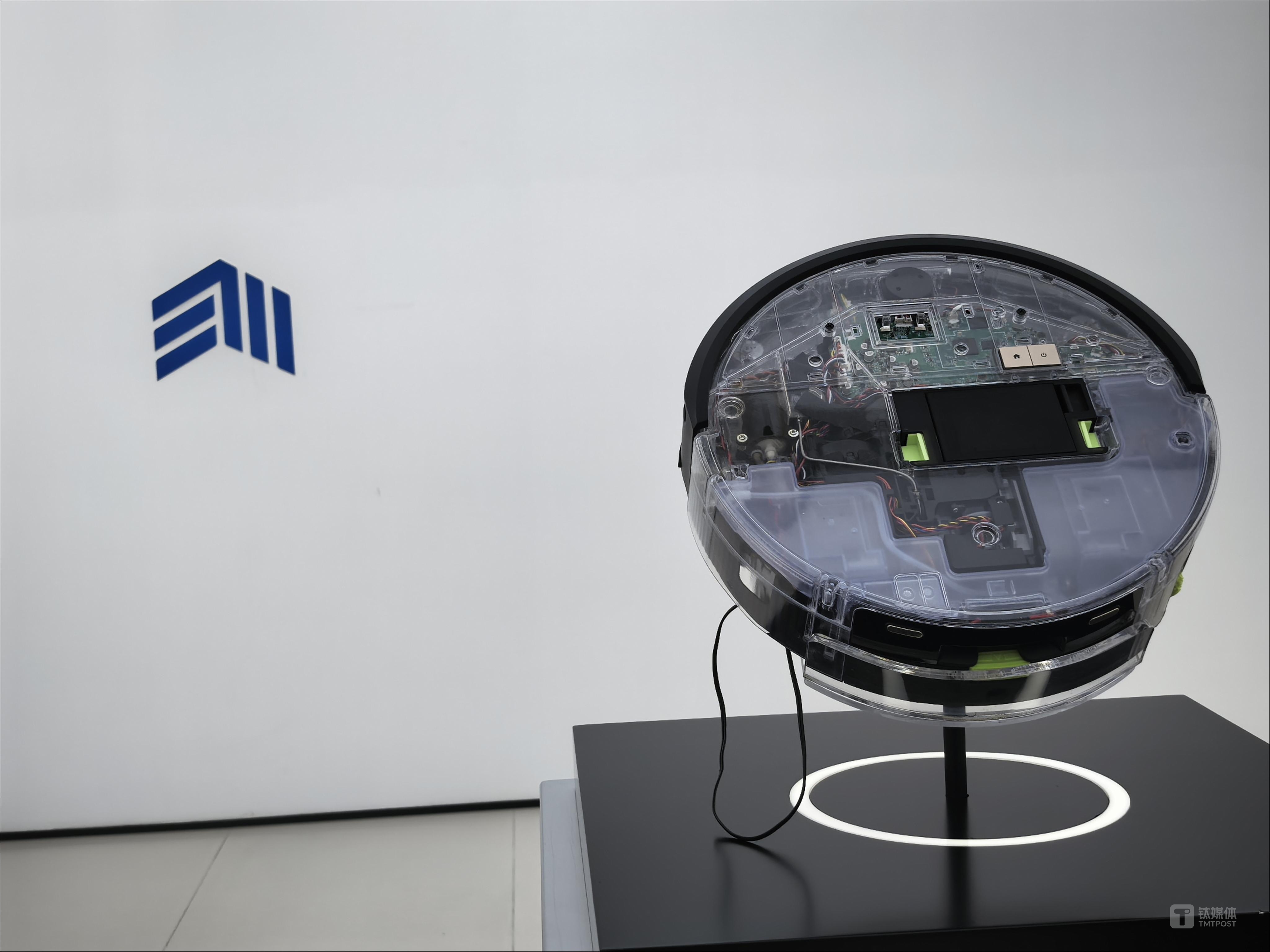
💡iRobot's China pivot shapes embodied AI robotics market dynamics.
⚡ 30-Second TL;DR
What Changed
iRobot undergoing strategic reorganization
Why It Matters
Signals cautious approach in saturated robotics markets, potentially stabilizing pricing for embodied AI hardware.
What To Do Next
Explore iRobot's ROS integration for building custom home robotics agents.
Key Points
- •iRobot undergoing strategic reorganization
- •First public statement after rebuild
- •Rejects excessive internal competition
- •No aggressive expansion goals in China
🧠 Deep Insight
Background and context from public sources — not the original article. 8 sources cited.
🔑 Enhanced Key Takeaways
- •iRobot completed its acquisition by Chinese manufacturer Picea on January 23, 2026, transferring 100% equity ownership through a prepackaged Chapter 11 bankruptcy process, fundamentally shifting the company from a U.S.-listed public entity to private Chinese ownership[5].
- •iRobot's global smart vacuum market share collapsed to below 10% by Q1 2025, with Chinese competitors Roborock, Ecovacs, Dreame, and Xiaomi collectively controlling over 50% of the market, directly precipitating the financial distress that led to restructuring[3][7].
- •Picea's acquisition was primarily a debt-recovery mechanism rather than a strategic expansion—iRobot could not pay for products supplied by Picea, making the takeover necessary to recover unpaid receivables, with minimal cash consideration involved[2].
- •The restructuring includes data protection safeguards designed to protect U.S. and global consumer data, addressing regulatory and privacy concerns arising from Chinese state ownership of a company with access to American household robotics data[5].
- •iRobot's relaunch in China (exited ~2021) targets April 2026 official sales with a 'dual-wings' strategy combining Picea's manufacturing and R&D speed with iRobot's U.S.-based brand management, though internal analysts assess iRobot has 'no chance at all' in the highly competitive Chinese market[1][2].
📊 Competitor Analysis▸ Show
| Competitor | Market Position (Q1 2025) | Key Strength | Geographic Focus |
|---|---|---|---|
| Roborock | >10% (part of 50%+ collective) | Speed of product innovation, cost-performance | China, global expansion |
| Ecovacs | >10% (part of 50%+ collective) | OEM-to-brand transition model | China, international |
| Dreame | >10% (part of 50%+ collective) | Rapid product cycles (6-month updates) | China, emerging markets |
| Xiaomi | >10% (part of 50%+ collective) | Ecosystem integration, pricing power | China, Asia |
| iRobot (post-Picea) | <10% | Brand heritage, R&D capability | U.S., selective China re-entry |
🔮 Future ImplicationsAI analysis grounded in cited sources
⏳ Timeline
📎 Sources (8)
Factual claims are grounded in the sources below. Forward-looking analysis is AI-generated interpretation.
- moomoo.com — How Irobot the Pioneer of Robotic Vacuums Is Making a
- yicaiglobal.com — Roomba Maker Irobot Skips Ces As Picea Faces Brand and Strategy Choices After Takeover
- elevenflo.com — Irobot Corporation Chapter 11 From Roomba Pioneer to Chinese Ownership
- media.irobot.com — 2025 12 14 Irobot Announces Strategic Transaction to Drive Long Term Growth Plan
- media.irobot.com — 2026 01 23 Irobot Completes Court Supervised Transaction with Picea, Enabling the Next Chapter of Growth
- youtube.com — Watch
- bobhutchins.substack.com — Lessons From Roomba What Irobots
- nationalreview.com — Why Chinas Interest in Irobot Deserves Scrutiny
Weekly AI Recap
Read this week's curated digest of top AI events →
👉Related Updates

AI-curated news aggregator. All content rights belong to original publishers.
Original source: 钛媒体 ↗
This is a summary, not the original. Read the source, or get the weekly briefing.
Weekly AI briefing
One email a week. Unsubscribe anytime.