🐯虎嗅•Stalecollected in 30m
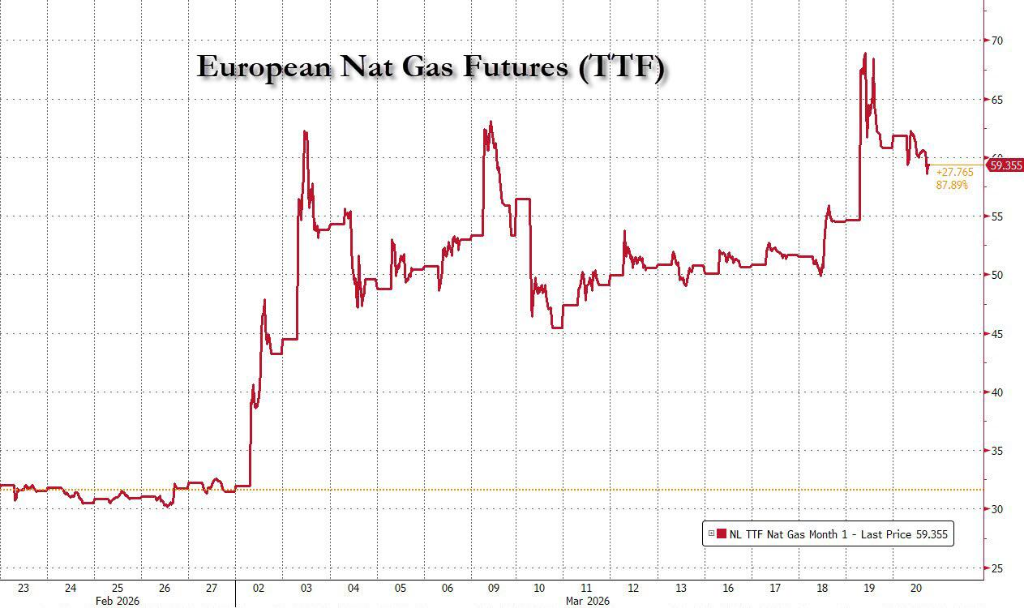
Iran War Inflicts Years-Long LNG Damage
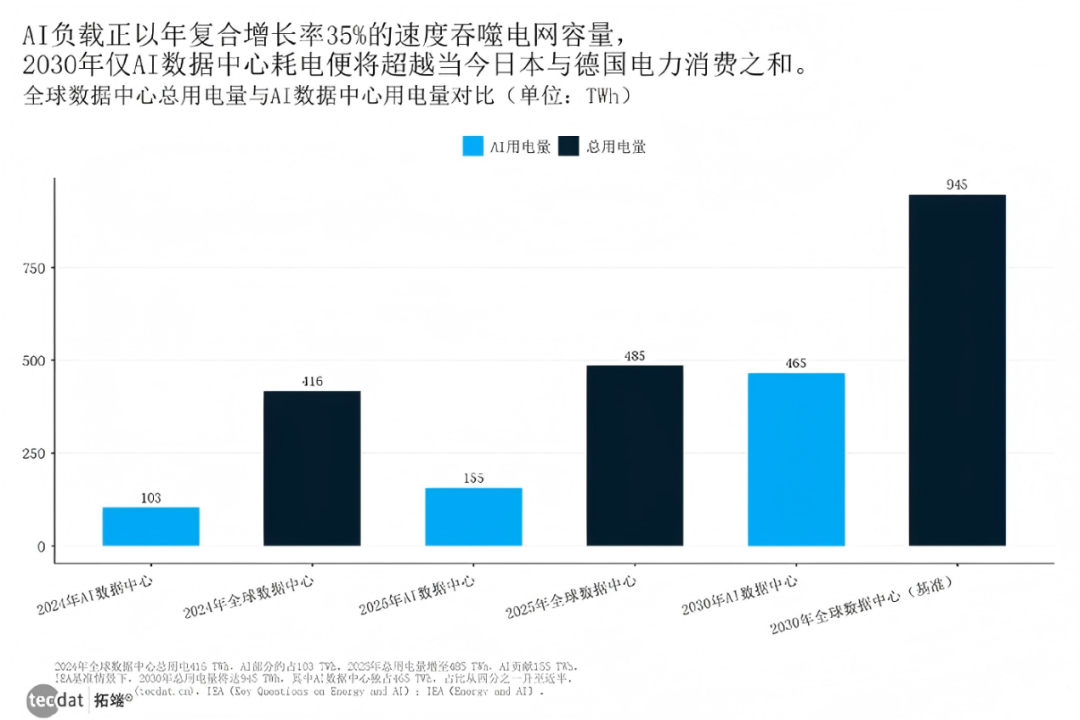
💡Energy crisis hikes power costs for AI data centers amid Iran conflict
⚡ 30-Second TL;DR
What Changed
Qatar LNG lines 4,5,6 damaged, forcing force majeure on contracts up to 5 years.
Why It Matters
Prolonged Middle East conflict amplifies global inflation via energy shortages, squeezing monetary policy and industrial costs including data centers.
What To Do Next
Factor JPMorgan's LNG loss estimates into AI data center power cost projections.
Who should care:Enterprise & Security Teams
🧠 Deep Insight
AI-generated analysis for this event.
🔑 Enhanced Key Takeaways
- •The damaged 'Mega-trains' (Lines 4, 5, and 6) utilize the proprietary AP-X™ liquefaction technology, which requires custom-manufactured Main Cryogenic Heat Exchangers (MCHE) with a global production capacity limited to only two facilities worldwide, extending lead times to 24-30 months.
- •Insurance premiums for LNG carriers transiting the Strait of Hormuz have surged by 400% following the strikes, with Lloyd's of London underwriters designating the Ras Laffan terminal as a 'Listed Area,' effectively halting spot-market chartering in the region.
- •The loss of 12.8M tons of LNG annually directly offsets the entire projected output of the North Field East (NFE) expansion's first phase, which was intended to secure Europe's energy independence from Russian pipeline gas by 2027.
📊 Competitor Analysis▸ Show
| Feature | QatarEnergy (Qatar) | Cheniere Energy (USA) | Woodside Energy (Australia) |
|---|---|---|---|
| Feedstock Cost | Lowest (~$1.00/MMBtu) | Market-linked (Henry Hub) | Mid-range (Production-linked) |
| Contract Flexibility | Rigid (Destination-restricted) | High (Destination-free) | Moderate |
| Technology | AP-X Mega-trains (7.8 MTPA) | ConocoPhillips Optimized Cascade | Mixed (C3MR/DMR) |
| Geopolitical Risk | High (Strait of Hormuz) | Low (Atlantic/Gulf Coast) | Low (Asia-Pacific proximity) |
🛠️ Technical Deep Dive
- •Liquefaction Process: Lines 4-6 use the Air Products AP-X™ cycle, which adds a nitrogen sub-cooling loop to the standard C3MR process to achieve 7.8 MTPA capacity per train.
- •Prime Movers: Each train is driven by three GE Frame 9E gas turbines; damage to these high-precision rotors requires specialized factory recalibration unavailable in-region.
- •Cold Box Architecture: The MCHEs are housed in massive 'Cold Boxes' that maintain temperatures as low as -162°C; structural damage to the vacuum insulation panels necessitates a complete teardown and rebuild.
- •Storage & Loading: Ras Laffan's common lean gas header system was compromised, preventing the remaining functional trains from diverting output to the primary export berths.
🔮 Future ImplicationsAI analysis grounded in cited sources
Mandatory Strategic LNG Reserves
The IEA is expected to propose a 30-day mandatory LNG storage requirement for member nations, similar to the 90-day oil reserve rule, to mitigate future supply shocks.
Permanent EU Industrial Relocation
Sustained 35% energy price premiums will likely force energy-intensive German and Italian manufacturing sectors to permanently relocate operations to the US Gulf Coast.
Shift to Electric-Drive Liquefaction
Future LNG infrastructure designs will pivot toward e-drive compressors powered by remote grids to reduce the thermal signature and vulnerability of onsite gas turbines.
⏳ Timeline
1971-06
Discovery of the North Field
2009-04
Train 4 (Qatargas 2) Commences Operations
2010-11
Train 6 (Qatargas 3) First Cargo Exported
2021-02
North Field East (NFE) Expansion FID Approved
2024-02
North Field West Expansion Announced
2026-03
Missile Strikes Damage Ras Laffan Infrastructure
📰
Weekly AI Recap
Read this week's curated digest of top AI events →
👉Related Updates
AI-curated news aggregator. All content rights belong to original publishers.
Original source: 虎嗅 ↗