Source虎嗅•Stalecollected in 28m
iPhone 4 Beats AI-Perfect Cameras
#ai-aesthetics#retro-cameraiphone-4iphone-4deep-fusionapple
💡AI photo perfection fails aesthetics test—iPhone 4 flaws win youth appeal
⚡ 30-Second TL;DR
What Changed
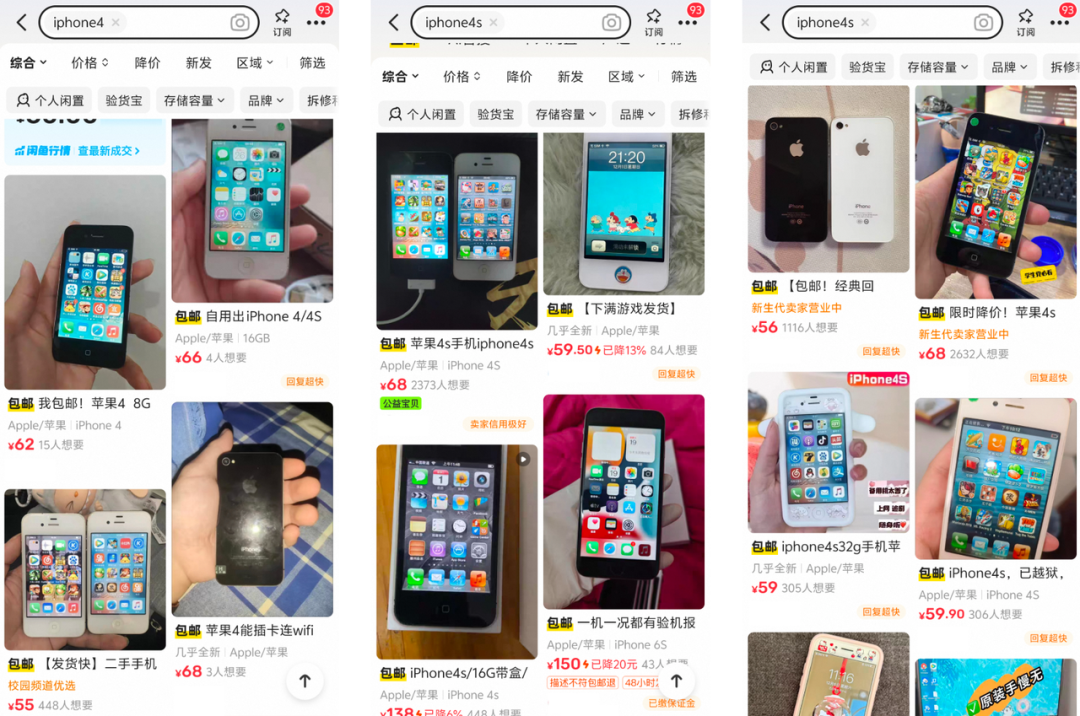
iPhone 4 search volume up 979%, buys surge 10x
Why It Matters
Challenges AI imaging dominance; devs must balance perfection with artistic flaws. Signals demand for 'imperfect' AI filters in creative apps.
What To Do Next
Prototype AI camera filters emulating iPhone 4 noise and color bias using PyTorch.
Who should care:Creators & Designers
Key Points
- •iPhone 4 search volume up 979%, buys surge 10x
- •5MP sensor blurs skin naturally, beats AI grinders
- •Poor dynamic range yields high-contrast emotional shots
- •Deep Fusion over-sharpens edges, smears noise into waxiness
- •Retro design and games boost nostalgia sales
🧠 Deep Insight
AI-generated analysis for this event — not the original article.
🔑 Enhanced Key Takeaways
- •The trend is part of a broader 'CCD camera' and 'Y2K aesthetic' movement on platforms like Xiaohongshu and TikTok, where Gen Z users specifically seek out older hardware to bypass the 'algorithmic look' of modern smartphone image signal processors (ISPs).
- •Secondary market pricing for functional iPhone 4 units has seen significant inflation, with collectors and enthusiasts driving up costs for 'pristine' condition models, often exceeding the original launch price when adjusted for inflation.
- •The preference for the iPhone 4's 5MP sensor is specifically attributed to its lack of modern multi-frame noise reduction and HDR stacking, which allows for 'authentic' motion blur and chromatic aberration that modern AI models are trained to eliminate.
🛠️ Technical Deep Dive
- •Sensor: 5-megapixel CMOS sensor with a 1/3.2-inch format.
- •ISP: Apple A4 SoC integrated ISP, which lacks modern computational photography pipelines like Deep Fusion, Smart HDR, or Photonic Engine.
- •Lens: 5-element lens with an f/2.8 aperture, lacking optical image stabilization (OIS).
- •Processing: Minimal post-processing; images are saved with high compression ratios, resulting in visible JPEG artifacts and noise patterns that are now perceived as 'texture'.
🔮 Future ImplicationsAI analysis grounded in cited sources
Smartphone manufacturers will introduce 'Retro Modes' in camera software.
To capture the demographic currently buying vintage hardware, OEMs will likely implement software filters that simulate the sensor limitations and color science of early 2010s devices.
The secondary market for legacy consumer electronics will see sustained price growth.
As digital native generations continue to fetishize analog-style imperfections, the supply of functional, non-degraded legacy hardware will become a premium commodity.
⏳ Timeline
2010-06
Apple launches the iPhone 4 featuring a 5MP rear camera and the A4 chip.
2011-10
Apple releases the iPhone 4S, upgrading the camera to 8MP and introducing initial computational photography features.
2022-09
Early signs of the 'CCD camera' trend emerge on social media, sparking interest in vintage digital photography.
2025-11
Mainstream media reports a surge in iPhone 4 search volume and secondary market demand in China.
📰
Weekly AI Recap
Read this week's curated digest of top AI events →
👉Related Updates




AI-curated news aggregator. All content rights belong to original publishers.
Original source: 虎嗅 ↗
This is a summary, not the original. Read the source, or get the weekly briefing.
The weekly digest
One email a week. Unsubscribe anytime.