📲Digital Trends•Freshcollected in 25m
iPhone 18 May Finally Get 12GB RAM
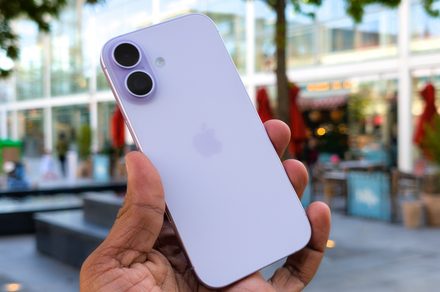
💡A possible RAM jump could determine how much AI Apple can run directly on future iPhones.
⚡ 30-Second TL;DR
What Changed
The standard iPhone 18 is rumored to receive 12GB of RAM.
Why It Matters
A larger memory pool could improve the iPhone’s ability to run AI workloads locally, reducing reliance on cloud inference. For AI developers, this may expand the practical scope of privacy-preserving mobile experiences.
What To Do Next
Prototype memory-intensive on-device features with Apple’s Core ML and profile RAM usage against current iPhone models.
Who should care:Developers & AI Engineers
Key Points
- •The standard iPhone 18 is rumored to receive 12GB of RAM.
- •The previous memory estimate was 9GB.
- •More RAM could enable additional on-device AI capabilities.
🧠 Deep Insight
AI-generated analysis for this event.
🔑 Enhanced Key Takeaways
- •The shift to 12GB of RAM is reportedly driven by the need to support Apple Intelligence's expanding Large Language Model (LLM) parameters, which require significant memory overhead for local processing.
- •Industry analysts suggest that Apple's transition to 3nm or 2nm process nodes for the A-series chips in the iPhone 18 series is facilitating higher memory density without compromising thermal efficiency.
- •Supply chain reports indicate that Apple is diversifying its DRAM suppliers to ensure sufficient LPDDR6 supply, which is expected to be the standard for the 2026 flagship lineup.
- •Increased RAM capacity is anticipated to allow for more background app retention, addressing long-standing user complaints regarding aggressive background process termination in iOS.
- •The move to 12GB aligns with the broader industry trend of 'AI Phones,' where competitors have already begun integrating 12GB to 16GB of RAM to handle multimodal AI tasks.
📊 Competitor Analysis▸ Show
| Feature | iPhone 18 (Rumored) | Samsung Galaxy S26 Ultra | Google Pixel 11 Pro |
|---|---|---|---|
| RAM | 12GB | 16GB | 16GB |
| AI Focus | On-Device Apple Intelligence | Galaxy AI (Hybrid) | Gemini Nano (On-Device) |
| Process Node | 2nm (Expected) | 3nm (Snapdragon 8 Gen 5) | 3nm (Tensor G6) |
🛠️ Technical Deep Dive
- Memory Architecture: Transition to LPDDR6 memory standard to provide higher bandwidth necessary for real-time generative AI inference.
- Thermal Management: Integration of advanced graphite sheets and potentially a vapor chamber to manage the heat generated by sustained high-memory AI workloads.
- AI Offloading: Utilization of a unified memory architecture where the 12GB pool is shared dynamically between the CPU, GPU, and the Neural Engine (NPU) to optimize LLM token generation speed.
🔮 Future ImplicationsAI analysis grounded in cited sources
Apple will introduce a tiered 'Pro' AI feature set exclusive to devices with 12GB+ RAM.
The hardware requirement for advanced on-device models creates a natural performance gap between older devices and the iPhone 18.
iOS 20 will feature significantly more aggressive multitasking capabilities.
With 12GB of RAM, the system can maintain more complex applications in a suspended state, reducing reload times.
⏳ Timeline
2023-09
iPhone 15 Pro launches with 8GB of RAM, the first increase in years.
2024-06
Apple announces Apple Intelligence at WWDC, setting the stage for higher memory requirements.
2024-09
iPhone 16 series launches with 8GB of RAM across all models to support AI features.
2025-09
iPhone 17 series maintains 8GB RAM baseline, leading to market pressure for upgrades.
📰
Weekly AI Recap
Read this week's curated digest of top AI events →
👉Related Updates


AI-curated news aggregator. All content rights belong to original publishers.
Original source: Digital Trends ↗