Pixel 11 Pro XL vs. Galaxy S26 Ultra
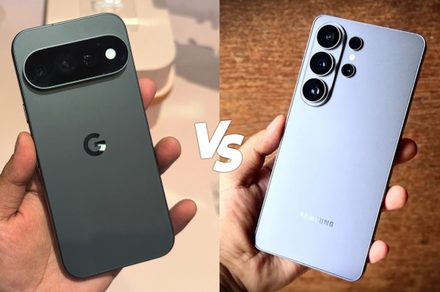
💡See how Google’s AI-first strategy stacks up against Samsung’s performance and S Pen ecosystem.
⚡ 30-Second TL;DR
What Changed
Google positions the Pixel 11 Pro XL around AI capabilities and integrated software experiences.
Why It Matters
For AI practitioners, the comparison highlights how major smartphone platforms may compete through differentiated AI experiences rather than hardware specifications alone. Mobile AI product teams should consider both software intelligence and device-specific interaction features when planning deployments.
What To Do Next
Test your Android AI experience on both the Pixel 11 Pro XL and Galaxy S26 Ultra, including software AI workflows and S Pen-based interactions.
Key Points
- •Google positions the Pixel 11 Pro XL around AI capabilities and integrated software experiences.
- •Samsung differentiates the Galaxy S26 Ultra through performance, camera functionality, customization, and S Pen support.
- •The comparison suggests that the best choice depends on whether users prioritize AI intelligence or hardware versatility.
🧠 Deep Insight
AI-generated analysis for this event.
🔑 Enhanced Key Takeaways
- •The Pixel 11 Pro XL utilizes the Tensor G6 chipset, which focuses on on-device generative AI latency reduction rather than raw multi-core processing power.
- •Samsung's Galaxy S26 Ultra incorporates a new 'Adaptive Optics' sensor array that allows for continuous optical zoom between 3x and 10x, a departure from the fixed-lens approach of previous generations.
- •Google has introduced a 'Contextual Awareness' layer in Android 17 for the Pixel 11 series, enabling the device to proactively manage background processes based on user behavior patterns.
- •The Galaxy S26 Ultra features a proprietary 'Titanium-Glass' composite chassis, significantly reducing the device's weight compared to the S25 Ultra while maintaining structural rigidity.
- •Market data indicates that the Pixel 11 Pro XL's pricing strategy is increasingly aggressive, undercutting the S26 Ultra by approximately $200 to capture market share in the premium AI-phone segment.
📊 Competitor Analysis▸ Show
| Feature | Pixel 11 Pro XL | Galaxy S26 Ultra | iPhone 18 Pro Max |
|---|---|---|---|
| Processor | Tensor G6 | Snapdragon 8 Gen 5 | A20 Pro |
| Primary Camera | 50MP AI-Optimized | 200MP Adaptive | 48MP Fusion |
| Stylus Support | No | Integrated S Pen | No |
| Starting Price | $999 | $1,299 | $1,199 |
🛠️ Technical Deep Dive
- Tensor G6 Architecture: Utilizes a custom TPU (Tensor Processing Unit) optimized for 7-bit quantization to accelerate large language model inference directly on the handset.
- Galaxy S26 Ultra Display: Employs an M16 OLED material set, achieving a peak brightness of 3,200 nits with improved power efficiency for high-refresh-rate gaming.
- Battery Technology: Both devices utilize silicon-carbon anode battery cells, allowing for higher energy density in a thinner form factor compared to traditional lithium-ion batteries.
- Connectivity: Both flagships support Wi-Fi 8 (802.11bn) standards, providing lower latency and increased throughput in congested network environments.
🔮 Future ImplicationsAI analysis grounded in cited sources
⏳ Timeline
Weekly AI Recap
Read this week's curated digest of top AI events →
👉Related Updates

AI-curated news aggregator. All content rights belong to original publishers.
Original source: Digital Trends ↗