iPhone 18 Pro Faces a Memory Cost Shock
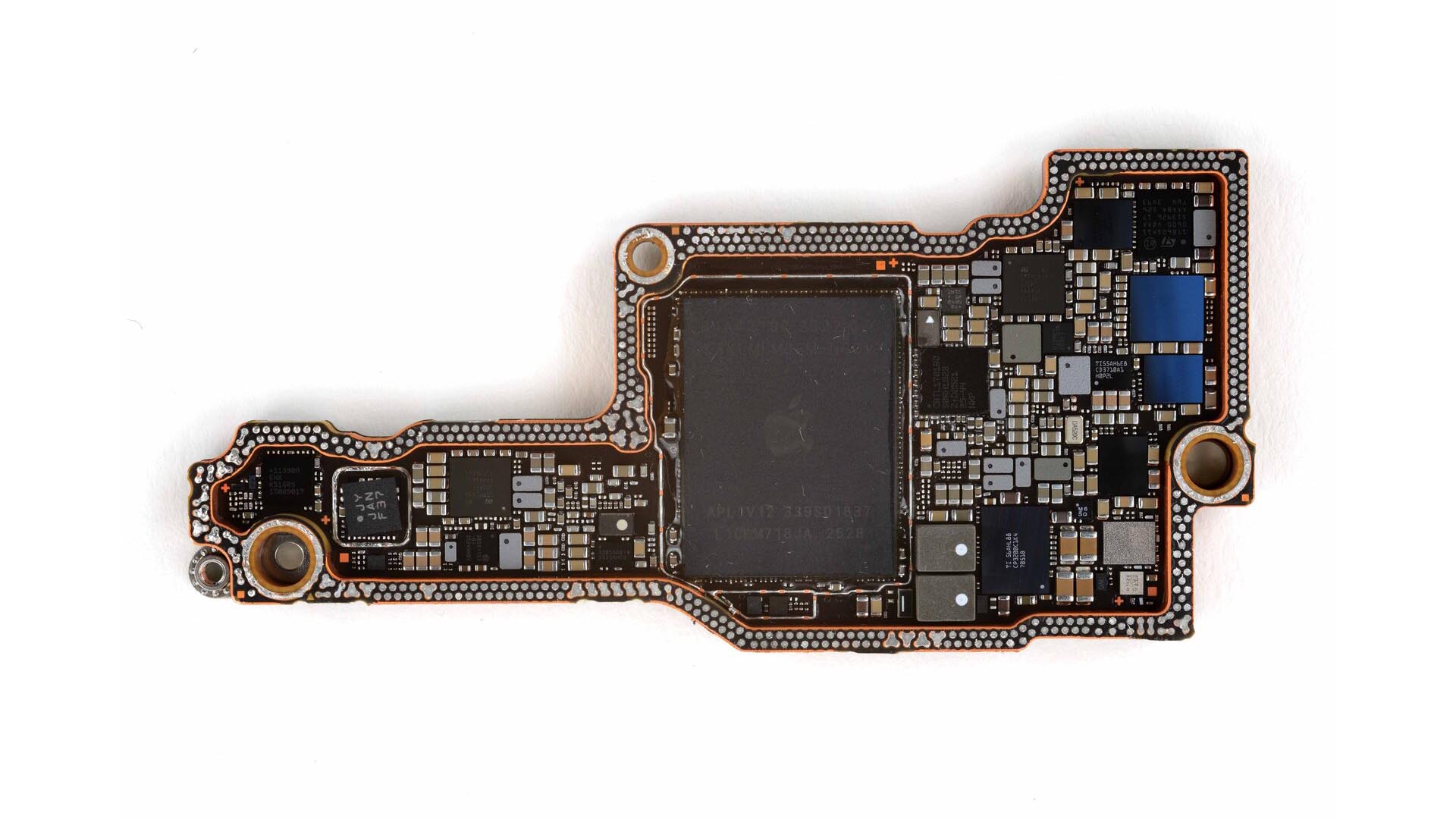
A projected 42% memory-cost share offers an early warning for memory-heavy AI infrastructure budgets.
30-Second TL;DR
What Changed
TrendForce reports that global DRAM prices are continuing to rise.
Why It Matters
Although the report concerns a smartphone, sustained DRAM inflation could also affect AI servers, edge devices, and other memory-intensive computing systems. AI builders should treat memory pricing as a potential infrastructure-cost risk rather than focusing only on GPU prices.
What To Do Next
Recalculate your next six-month inference infrastructure budget with a higher DRAM-cost scenario and compare memory-optimized serving options such as quantization or KV-cache compression.
Key Points
- •TrendForce reports that global DRAM prices are continuing to rise.
- •Memory could account for an estimated 42% of the iPhone 18 Pro’s BOM.
- •Higher memory costs may create a significant margin challenge for Apple.
Deep Insight
AI-generated analysis for this event — not the original article.
Enhanced Key Takeaways
- •The surge in DRAM costs is primarily attributed to the industry-wide transition to high-bandwidth memory (HBM) production, which has constrained supply for traditional LPDDR5X/LPDDR6 modules used in smartphones.
- •Apple is reportedly exploring alternative memory suppliers in Southeast Asia to mitigate reliance on traditional dominant players and negotiate better volume pricing.
- •Industry analysts suggest that the 42% BOM allocation for memory is unprecedented for an iPhone Pro model, historically averaging between 15% and 25% in previous generations.
- •To offset these costs, Apple is rumored to be considering a tiered storage strategy that mandates higher base storage capacities, effectively increasing the average selling price (ASP) to protect margins.
- •The integration of advanced on-device AI models in the iPhone 18 Pro series requires significantly higher memory bandwidth and capacity, exacerbating the impact of rising DRAM prices.
Competitor Analysis
- iPhone 18 Pro (Est.)
- LPDDR6
- Samsung Galaxy S26 Ultra
- LPDDR5X/6
- Google Pixel 11 Pro
- LPDDR5X
- iPhone 18 Pro (Est.)
- 16GB - 24GB
- Samsung Galaxy S26 Ultra
- 16GB - 20GB
- Google Pixel 11 Pro
- 16GB
- iPhone 18 Pro (Est.)
- On-Device Neural Engine
- Samsung Galaxy S26 Ultra
- On-Device NPU
- Google Pixel 11 Pro
- Tensor G6 NPU
- iPhone 18 Pro (Est.)
- Premium/Margin-Focused
- Samsung Galaxy S26 Ultra
- Competitive/Volume
- Google Pixel 11 Pro
- Value/Aggressive
| Feature | iPhone 18 Pro (Est.) | Samsung Galaxy S26 Ultra | Google Pixel 11 Pro |
|---|---|---|---|
| Memory Type | LPDDR6 | LPDDR5X/6 | LPDDR5X |
| Memory Capacity | 16GB - 24GB | 16GB - 20GB | 16GB |
| AI Processing | On-Device Neural Engine | On-Device NPU | Tensor G6 NPU |
| Pricing Strategy | Premium/Margin-Focused | Competitive/Volume | Value/Aggressive |
Technical Deep Dive
- The iPhone 18 Pro is expected to utilize LPDDR6 memory, which offers higher data rates and improved power efficiency compared to LPDDR5X.
- The shift to LPDDR6 is necessitated by the increased memory bandwidth requirements of the A20 Pro chip's neural processing unit.
- Die size increases for the A20 Pro chip, combined with the larger memory footprint, have forced a redesign of the logic board to accommodate thermal management.
- The memory architecture is likely to feature a multi-channel configuration to support the high-speed data throughput required for real-time generative AI tasks.
Future ImplicationsAI analysis grounded in cited sources
Timeline
- 2024-09Apple introduces the iPhone 16 series with increased RAM to support Apple Intelligence.
- 2025-09iPhone 17 Pro launch establishes a new baseline for memory requirements in Apple's flagship lineup.
- 2026-03Global DRAM manufacturers announce production shifts toward HBM, tightening supply for mobile-grade LPDDR.
- 2026-06TrendForce releases initial projections indicating a sharp rise in mobile memory component costs for late 2026 devices.
Weekly AI Recap
Read this week's curated digest of top AI events →
Related Updates


AI-curated news aggregator. All content rights belong to original publishers.
Original source: cnBeta (Full RSS) ↗
This is a summary, not the original. Read the source, or get the weekly briefing.
The weekly digest
One email a week. Unsubscribe anytime.