Internal Combustion Engines Transition to AI-ICE
Learn how AI is being applied to traditional hardware to extend its lifecycle and efficiency in a hybrid energy era.
30-Second TL;DR
What Changed
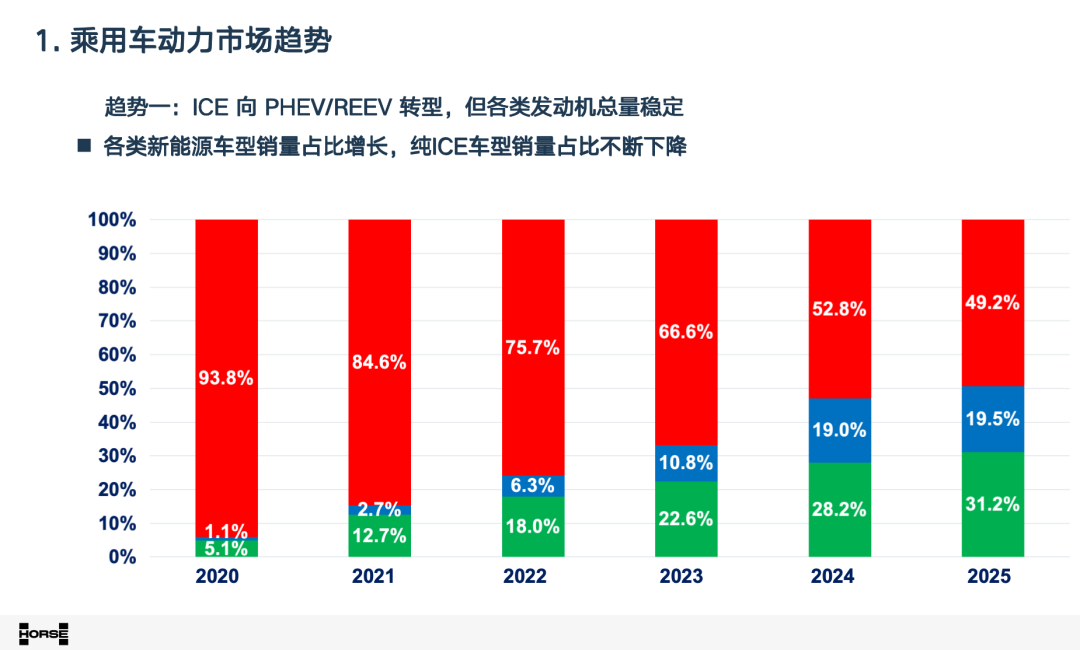
Engine production remains stable as ICE transitions to PHEV/REEV roles.
Why It Matters
Challenges the 'EV-only' narrative and highlights the role of AI in optimizing traditional hardware for a hybrid energy future.
What To Do Next
Explore AI-driven control systems for hardware optimization to improve energy efficiency in industrial applications.
Key Points
- •Engine production remains stable as ICE transitions to PHEV/REEV roles.
- •AI integration is the next frontier for optimizing engine efficiency and performance.
- •Global markets are shifting back toward hybrid solutions due to infrastructure and cost constraints of pure EVs.
Deep Insight
AI-generated analysis for this event — not the original article.
Enhanced Key Takeaways
- •AI-ICE systems utilize real-time combustion feedback loops, adjusting fuel injection timing and air-fuel ratios in milliseconds to compensate for fuel quality variations and environmental conditions.
- •Major automotive OEMs are integrating digital twin technology to simulate engine wear and predict maintenance needs, extending the operational lifespan of hybrid powertrains.
- •The shift toward AI-ICE is driven by stringent Euro 7 and China 6b emission standards, which require more precise emission control than traditional mechanical systems can provide.
- •Advanced thermal management systems in AI-ICE architectures now leverage AI to predict load demands based on GPS and traffic data, pre-heating catalysts to minimize cold-start emissions.
- •The integration of AI into ICE platforms has enabled the use of carbon-neutral synthetic fuels (e-fuels) by dynamically recalibrating combustion parameters to match the different chemical properties of these fuels.
Technical Deep Dive
- Adaptive Combustion Control: Uses high-speed pressure sensors in the cylinder head to monitor combustion stability and adjust spark timing in real-time.
- Predictive Energy Management: AI algorithms analyze route topography and traffic flow to optimize the battery-to-engine power split in PHEV/REEV configurations.
- Neural Network Emission Modeling: Replaces traditional lookup tables with lightweight neural networks to control EGR (Exhaust Gas Recirculation) and VVT (Variable Valve Timing) for optimal efficiency.
- Sensor Fusion Integration: Combines data from intake air temperature, humidity, and knock sensors to create a high-fidelity model of the combustion environment.
Future ImplicationsAI analysis grounded in cited sources
Timeline
- 2023-09Introduction of advanced AI-driven combustion control units in mass-market hybrid vehicles.
- 2024-05Global automotive industry reports a pivot in R&D spending back toward high-efficiency ICE-hybrid integration.
- 2025-02Implementation of AI-based predictive maintenance protocols for hybrid powertrain fleets.
- 2026-01Standardization of AI-ICE communication protocols across major Chinese and European hybrid platforms.
Weekly AI Recap
Read this week's curated digest of top AI events →
AI-curated news aggregator. All content rights belong to original publishers.
Original source: 虎嗅 ↗
This is a summary, not the original. Read the source, or get the weekly briefing.
The weekly digest
One email a week. Unsubscribe anytime.