SourceBloomberg Technology•Stalecollected in 20m
Intel CEO Needs AI Breakthrough Post Trump-Musk Wins
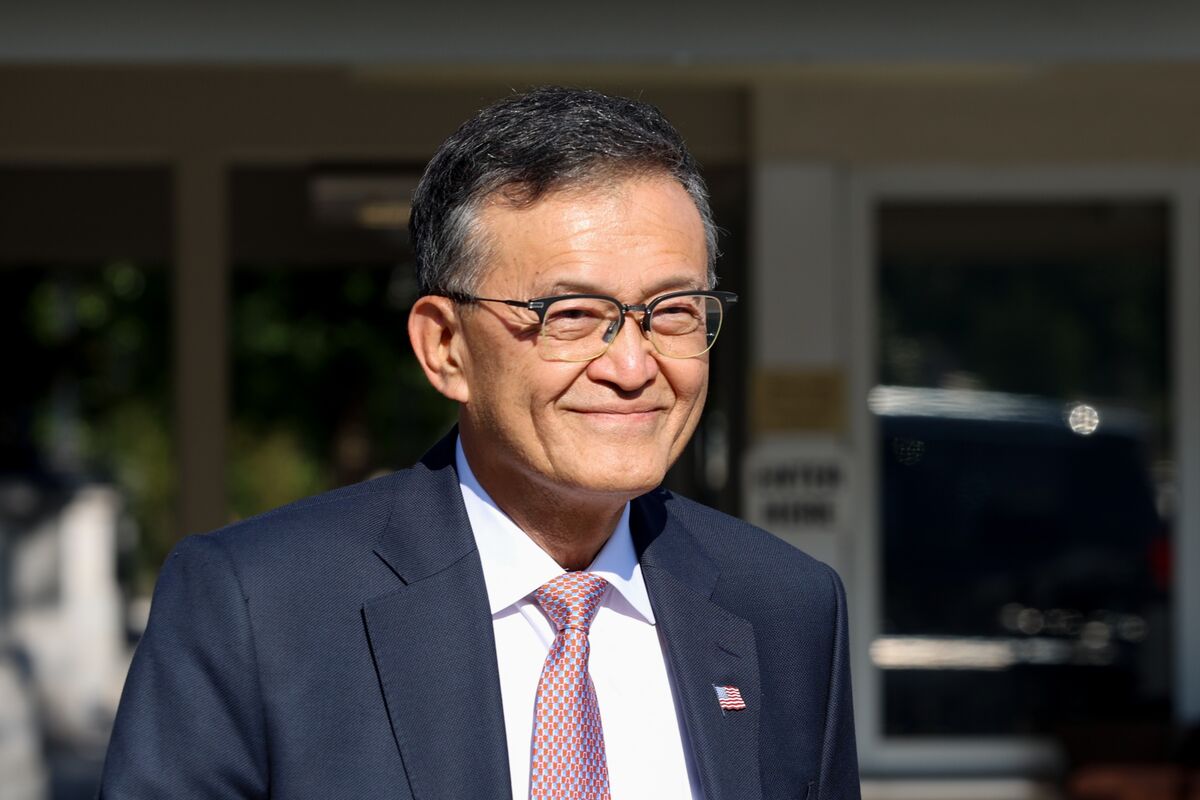
Intel's AI lag threatens infra choices—watch CEO's pivot strategy.
30-Second TL;DR
What Changed
Lip-Bu Tan appointed Intel CEO in March 2023
Why It Matters
Signals Intel's ongoing AI struggles, pressuring CEO for innovation. May accelerate shifts in chip strategy amid Nvidia dominance.
What To Do Next
Track Intel's Q3 earnings for new AI chip roadmap announcements.
Who should care:Enterprise & Security Teams
Key Points
- •Lip-Bu Tan appointed Intel CEO in March 2023
- •Gained support from Trump and Musk
- •Intel shares flat; trounced in AI market
Deep Insight
AI-generated analysis for this event — not the original article.
Enhanced Key Takeaways
- •Lip-Bu Tan's strategic pivot focuses on aggressive foundry expansion and the 'Intel 18A' process node to regain manufacturing parity with TSMC by late 2026.
- •The administration's support, characterized by Trump and Musk's public backing, has facilitated expedited CHIPS Act funding disbursements specifically earmarked for Intel's Ohio and Arizona fabrication facilities.
- •Intel's recent restructuring under Tan involves a significant reduction in non-core business units to prioritize high-margin AI accelerator development, specifically the Gaudi 3 and subsequent Falcon Shores architectures.
Competitor Analysis
Architecture
- Intel (Gaudi 3)
- ASIC-based
- NVIDIA (Blackwell)
- GPU-based
- AMD (MI325X)
- GPU-based
Primary Focus
- Intel (Gaudi 3)
- Cost-efficiency/Inference
- NVIDIA (Blackwell)
- High-performance Training
- AMD (MI325X)
- Memory Bandwidth/Training
Pricing Strategy
- Intel (Gaudi 3)
- Competitive/Value-oriented
- NVIDIA (Blackwell)
- Premium/Ecosystem lock-in
- AMD (MI325X)
- Performance-per-dollar
Interconnect
- Intel (Gaudi 3)
- Ethernet-based
- NVIDIA (Blackwell)
- NVLink
- AMD (MI325X)
- Infinity Fabric
| Feature | Intel (Gaudi 3) | NVIDIA (Blackwell) | AMD (MI325X) |
|---|---|---|---|
| Architecture | ASIC-based | GPU-based | GPU-based |
| Primary Focus | Cost-efficiency/Inference | High-performance Training | Memory Bandwidth/Training |
| Pricing Strategy | Competitive/Value-oriented | Premium/Ecosystem lock-in | Performance-per-dollar |
| Interconnect | Ethernet-based | NVLink | Infinity Fabric |
Technical Deep Dive
- Gaudi 3 Architecture: Utilizes a heterogeneous compute tile design, integrating 64 Tensor Processor Cores (TPCs) and 8 Matrix Math Engines (MMEs).
- Memory Subsystem: Features 128GB of HBM3e memory providing 3.7TB/s of bandwidth, specifically optimized for large language model (LLM) inference throughput.
- Process Node: Manufactured on TSMC's 5nm process, marking a departure from Intel's internal-only manufacturing strategy for high-end AI silicon.
- Scalability: Supports native integration with standard Ethernet, allowing for massive cluster scaling without proprietary interconnect requirements.
Future ImplicationsAI analysis grounded in cited sources
Intel will achieve break-even on its Foundry Services division by Q4 2026.
The combination of increased external customer adoption of the 18A node and federal subsidies is projected to offset the high initial capital expenditure.
Intel will capture at least 10% of the enterprise AI inference market by mid-2027.
The Gaudi 3's price-performance advantage over NVIDIA's flagship offerings is driving adoption among enterprise customers seeking to reduce cloud infrastructure costs.
Timeline
2023-03
Lip-Bu Tan appointed as CEO of Intel Corporation.
2024-04
Intel officially launches the Gaudi 3 AI accelerator.
2025-02
Intel secures major CHIPS Act grant following administration policy shift.
2026-01
Intel announces the restructuring of its Foundry Services into a standalone business unit.
- 2023-03Lip-Bu Tan appointed as CEO of Intel Corporation.
- 2024-04Intel officially launches the Gaudi 3 AI accelerator.
- 2025-02Intel secures major CHIPS Act grant following administration policy shift.
- 2026-01Intel announces the restructuring of its Foundry Services into a standalone business unit.
Weekly AI Recap
Read this week's curated digest of top AI events →
AI-curated news aggregator. All content rights belong to original publishers.
Original source: Bloomberg Technology ↗
This is a summary, not the original. Read the source, or get the weekly briefing.
The weekly digest
One email a week. Unsubscribe anytime.