Insta360’s Camera Agent Puts AI Behind the Lens
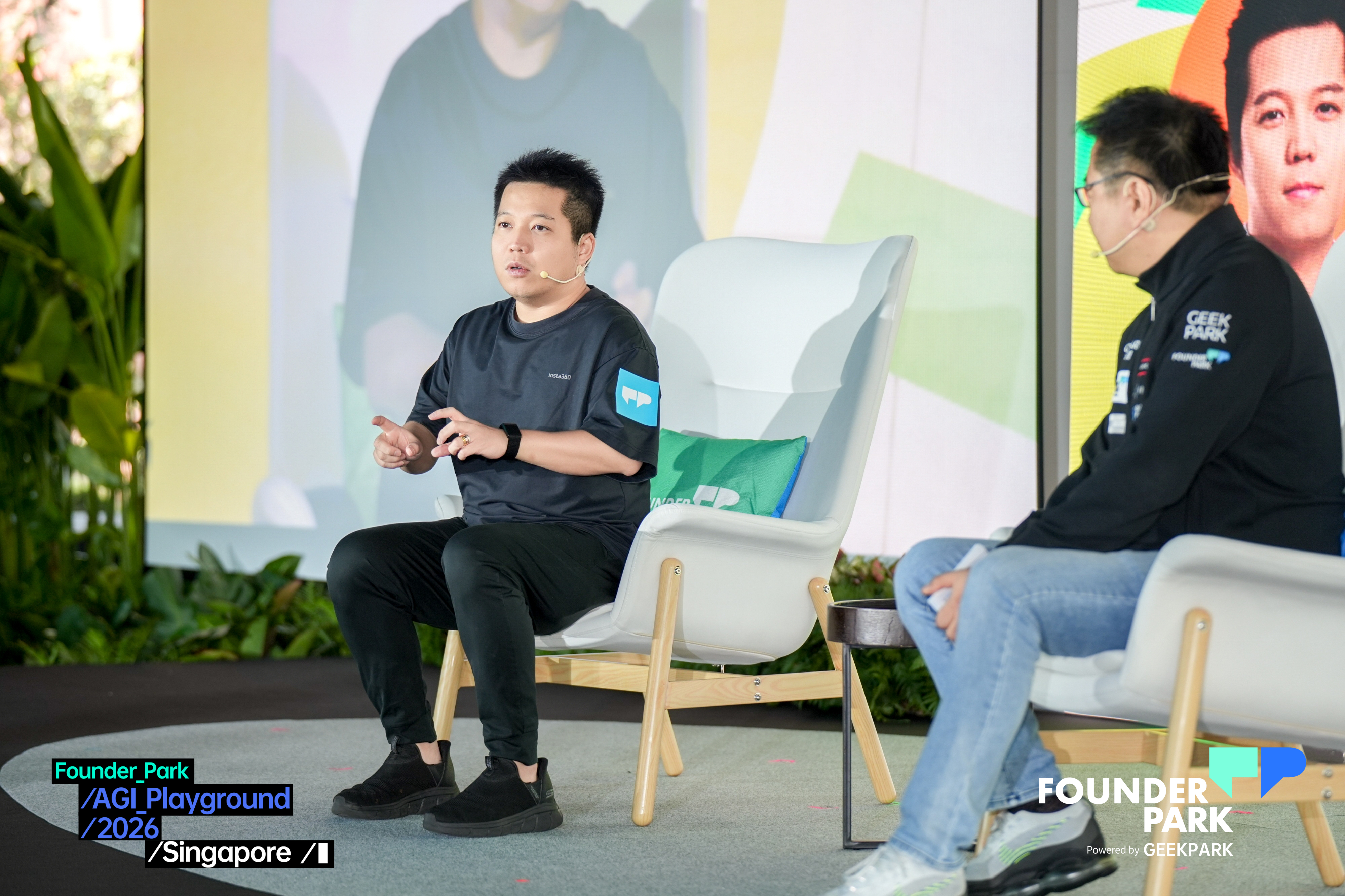
Insta360 reveals how Camera Agents may turn physical capture into an AI-powered content delivery service.
30-Second TL;DR
What Changed
Cameraman is designed around automatic delivery of finished photos and videos, not manual camera control.
Why It Matters
This strategy suggests that camera companies may compete increasingly on AI taste, editing, and end-to-end content delivery rather than optics alone. For AI builders, it highlights a hybrid product model combining physical capture, cloud inference, and subscription-based creative services.
What To Do Next
Prototype a capture-to-delivery workflow that sends panoramic footage to a cloud vision model for intent-based reframing, automatic editing, and export-quality ranking.
Key Points
- •Cameraman is designed around automatic delivery of finished photos and videos, not manual camera control.
- •The product combines imaging, AI editing, and robotics, including lenses and sensors, intent-aware cropping, drones, and gimbals.
- •Insta360’s cloud AI editing pilot charges 6 yuan per clip and achieved an export rate above 50% across hundreds of thousands of edits.
- •The company expects imaging hardware to become lighter while cloud and on-device AI handle more enhancement, grading, and generative effects.
- •Key remaining challenges include long-telephoto detail reconstruction, latency for cloud generation, and real-time on-device inference.
Deep Insight
AI-generated analysis for this event — not the original article.
Enhanced Key Takeaways
- •Insta360's 'Cameraman' initiative leverages a proprietary multimodal model trained specifically on cinematic composition rules, moving beyond simple object tracking to understand narrative intent.
- •The 6 yuan pricing model is part of a broader 'AI-as-a-Service' (AIaaS) strategy aimed at transitioning Insta360 from a hardware-centric company to a platform-based imaging ecosystem.
- •The system utilizes a hybrid compute architecture where lightweight metadata processing occurs on-device to preserve battery, while heavy generative tasks are offloaded to cloud clusters.
- •Insta360 has integrated this AI agent into their 'Insta360 Studio' desktop software, allowing users to batch-process raw footage from multiple devices using the same AI-driven editing logic.
- •The company is actively collaborating with drone manufacturers and gimbal OEMs to license the Cameraman SDK, aiming to standardize AI-assisted cinematography across third-party hardware.
Competitor Analysis
- Insta360 Cameraman
- Narrative/Cinematic Agent
- DJI Avata/Osmo AI
- Flight/Stability Automation
- GoPro Quik AI
- Highlight Reel Generation
- Insta360 Cameraman
- 6 Yuan/Clip (Cloud)
- DJI Avata/Osmo AI
- Included in Hardware
- GoPro Quik AI
- Subscription (GoPro Premium)
- Insta360 Cameraman
- Generative/Intent-Aware
- DJI Avata/Osmo AI
- Automated Tracking/Cuts
- GoPro Quik AI
- Template-based Matching
| Feature | Insta360 Cameraman | DJI Avata/Osmo AI | GoPro Quik AI |
|---|---|---|---|
| Core Focus | Narrative/Cinematic Agent | Flight/Stability Automation | Highlight Reel Generation |
| Pricing | 6 Yuan/Clip (Cloud) | Included in Hardware | Subscription (GoPro Premium) |
| Editing Depth | Generative/Intent-Aware | Automated Tracking/Cuts | Template-based Matching |
Technical Deep Dive
- Architecture: Employs a Transformer-based encoder-decoder model that processes spatial-temporal video data to predict optimal camera paths and cut points.
- Latency Optimization: Uses a tiered inference strategy where low-resolution proxy files are analyzed for composition before high-resolution rendering.
- Detail Reconstruction: Implements a diffusion-based super-resolution model to handle telephoto artifacts, specifically targeting noise reduction in low-light conditions.
- Intent Awareness: Utilizes a semantic segmentation layer to identify 'hero' subjects and background elements, ensuring the AI prioritizes subject-centric framing.
Future ImplicationsAI analysis grounded in cited sources
Timeline
- 2023-09Insta360 launches AI-powered 'Auto Edit' features in the mobile app.
- 2024-05Introduction of the Insta360 Ace Pro with enhanced on-device AI processing capabilities.
- 2025-11Commencement of the cloud AI editing pilot program for professional-grade clips.
- 2026-03Official internal rollout of the 'Cameraman' agent project for beta testing.
Weekly AI Recap
Read this week's curated digest of top AI events →
Related Updates

AI-curated news aggregator. All content rights belong to original publishers.
Original source: 极客公园 ↗
This is a summary, not the original. Read the source, or get the weekly briefing.
The weekly digest
One email a week. Unsubscribe anytime.