Industry experts express concern over Crew Dragon availability
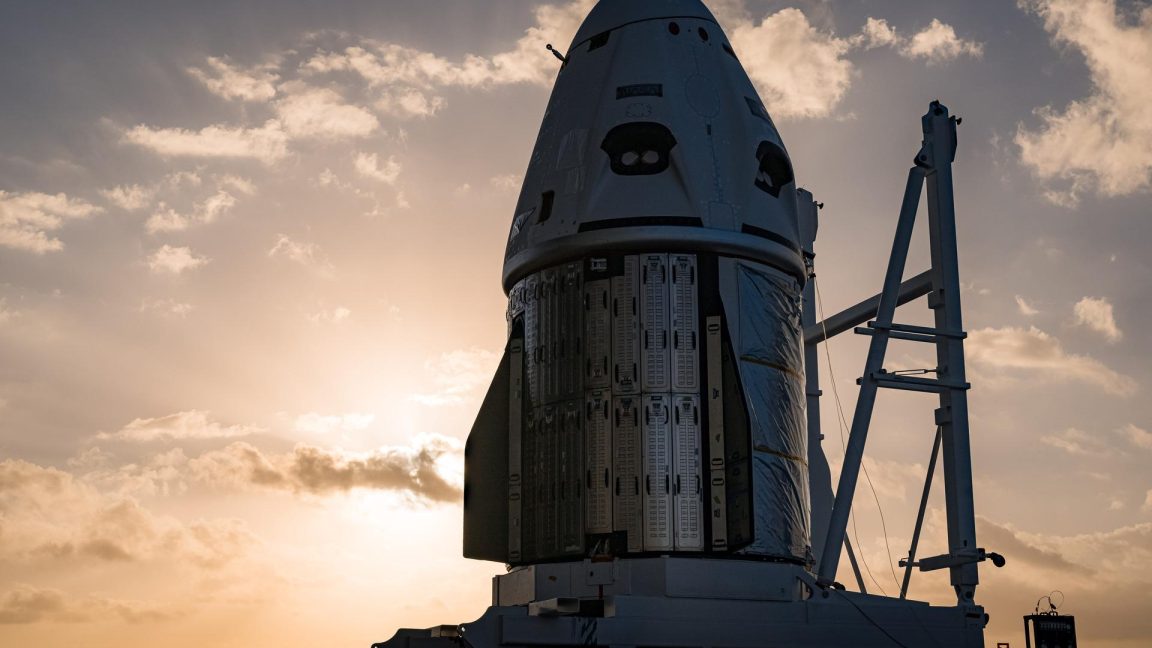
💡Launch capacity bottlenecks affect the deployment of satellite-based infrastructure essential for global AI data.
⚡ 30-Second TL;DR
What Changed
Concerns regarding reliance on a single crew vehicle provider
Why It Matters
SpaceX's infrastructure is critical for satellite deployment and research, which directly impacts global connectivity and AI data gathering. A bottleneck in launch capacity could delay critical infrastructure projects.
What To Do Next
Monitor launch schedules and payload costs as they directly influence the deployment of large-scale satellite-based AI data networks.
Key Points
- •Concerns regarding reliance on a single crew vehicle provider
- •Urgent need for redundancy in US space transportation infrastructure
- •Potential impact on long-term space mission reliability
🧠 Deep Insight
AI-generated analysis for this event — not the original article.
🔑 Enhanced Key Takeaways
- •NASA's Commercial Crew Program has faced repeated schedule slips for Boeing's Starliner, leaving SpaceX as the sole operational provider for crew rotation missions to the International Space Station.
- •The aging status of the International Space Station requires consistent crew transport cadence, increasing the pressure on SpaceX to maintain high flight rates without a backup vehicle.
- •SpaceX has been actively refurbishing and reusing Crew Dragon capsules to meet demand, but industry experts question the long-term sustainability of this fleet size as mission complexity grows.
- •NASA is exploring options to extend the service life of existing Crew Dragon vehicles beyond their original design specifications to mitigate potential gaps in transportation.
- •The lack of a secondary crew vehicle provider complicates contingency planning for emergency evacuations or rapid crew rotations if a technical anomaly grounds the Dragon fleet.
📊 Competitor Analysis▸ Show
| Feature | SpaceX Crew Dragon | Boeing Starliner | Sierra Space Dream Chaser |
|---|---|---|---|
| Status | Operational | Delayed/Testing | In Development |
| Reusability | High (Capsule/Trunk) | Partial (Capsule) | High (Spaceplane) |
| Landing Type | Water (Splashdown) | Land (Airbags) | Runway Landing |
🛠️ Technical Deep Dive
- Crew Dragon utilizes a Draco thruster system for orbital maneuvering and a SuperDraco system for launch escape capabilities.
- The vehicle features a fully autonomous docking system compatible with the International Docking Adapter (IDA) standard.
- Life support systems are designed to support up to seven crew members, though NASA missions typically carry four.
- The heat shield utilizes PICA-X (Phenolic Impregnated Carbon Ablator) material, which is designed for multiple re-entries.
- Avionics are built on a fault-tolerant architecture using radiation-tolerant processors to ensure mission safety during deep space or LEO operations.
🔮 Future ImplicationsAI analysis grounded in cited sources
⏳ Timeline
Weekly AI Recap
Read this week's curated digest of top AI events →
👉Related Updates
AI-curated news aggregator. All content rights belong to original publishers.
Original source: Ars Technica ↗
This is a summary, not the original. Read the source, or get the weekly briefing.
The weekly digest
One email a week. Unsubscribe anytime.