Industry Density Defines China Office Bottom
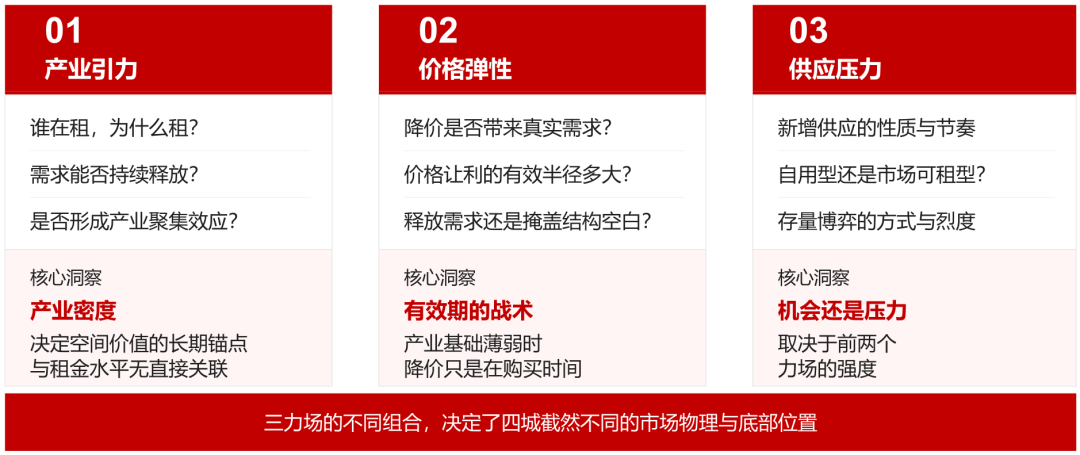
💡AI boom drives Shenzhen office demand despite 30% vacancy
⚡ 30-Second TL;DR
What Changed
Shenzhen: AI firms occupy 30% TMT leasing, South Mountain low 15% vacancy.
Why It Matters
AI industry clustering boosts Shenzhen offices first; practitioners should prioritize high-density tech hubs for expansion amid softening rents.
What To Do Next
Evaluate Shenzhen South Mountain offices for AI team scaling due to low vacancy.
Key Points
- •Shenzhen: AI firms occupy 30% TMT leasing, South Mountain low 15% vacancy.
- •Beijing: 80% renewal rate, non-core areas absorb 75% net absorption.
- •Shanghai: 20万m² net absorption but vacancy rises, rents at historic lows.
- •Guangzhou: Price elasticity drives migration, not pure expansion.
🧠 Deep Insight
AI-generated analysis for this event — not the original article.
🔑 Enhanced Key Takeaways
- •The surge in Shenzhen's AI-driven office demand is heavily concentrated in the 'Embodied AI' and 'Large Model' sectors, which are receiving significant municipal subsidies for office space in Nanshan and Qianhai districts.
- •Beijing's high renewal rate is largely attributed to the 'State-Owned Enterprise (SOE) stabilization policy,' which mandates that central SOEs maintain their headquarters within the capital's core business districts despite cost-cutting pressures.
- •Shanghai's rising vacancy rate is exacerbated by a massive 'supply cliff' of Grade A office space completed in late 2025, which has forced landlords to pivot toward 'flexible leasing' models, including short-term co-working arrangements for multinational firms.
🔮 Future ImplicationsAI analysis grounded in cited sources
⏳ Timeline
Weekly AI Recap
Read this week's curated digest of top AI events →
👉Related Updates


AI-curated news aggregator. All content rights belong to original publishers.
Original source: 虎嗅 ↗
This is a summary, not the original. Read the source, or get the weekly briefing.
The weekly digest
One email a week. Unsubscribe anytime.