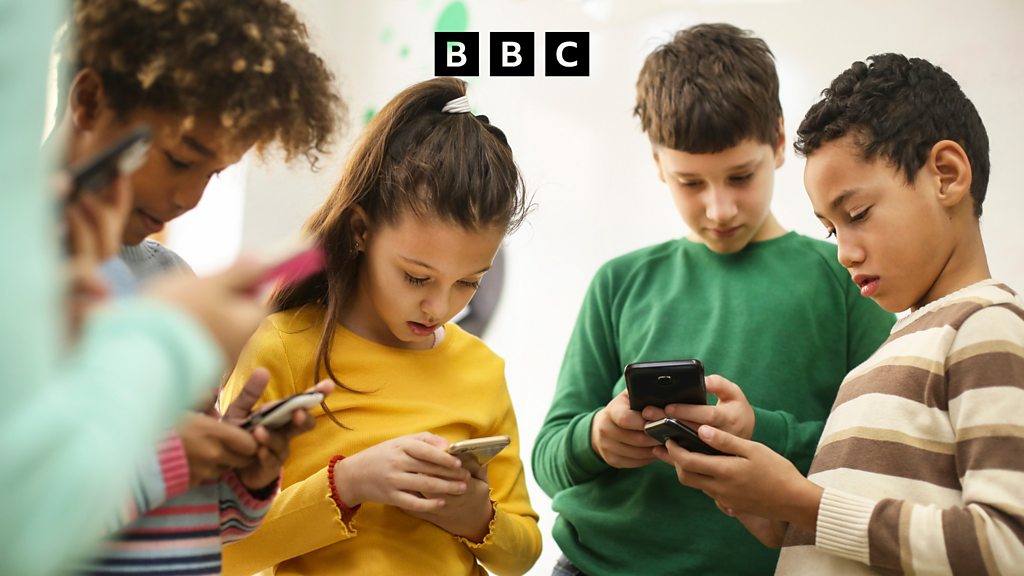
Impact of screen time on younger children
💡Essential context for developers designing AI-powered educational tools for children to ensure ethical product growth.
⚡ 30-Second TL;DR
What Changed
Analysis of cognitive development in relation to digital device usage
Why It Matters
Understanding these impacts is crucial for developers building AI-driven educational tools for children. It necessitates ethical design considerations to mitigate potential developmental risks.
What To Do Next
If building AI products for children, audit your engagement loops against pediatric digital health guidelines to ensure responsible design.
Key Points
- •Analysis of cognitive development in relation to digital device usage
- •Examination of behavioral changes linked to excessive screen time
- •Review of current expert guidelines for child digital health
🧠 Deep Insight
AI-generated analysis for this event — not the original article.
🔑 Enhanced Key Takeaways
- •Emerging research indicates that 'background television'—even when a child is not actively watching—can disrupt parent-child verbal interactions and reduce the quality of play.
- •Studies suggest a correlation between high screen exposure in toddlers and reduced structural integrity in white matter tracts related to language and literacy skills in the brain.
- •The 'displacement hypothesis' posits that the primary harm of screen time is not the content itself, but the time it steals from physical activity, sleep, and face-to-face social engagement.
- •Recent longitudinal data highlights that interactive screen time (e.g., video chatting with family) may have different developmental outcomes compared to passive consumption of short-form video content.
- •Digital health experts are increasingly shifting focus from 'total screen time' metrics to 'content quality' and 'co-viewing' practices as more accurate predictors of child well-being.
🔮 Future ImplicationsAI analysis grounded in cited sources
⏳ Timeline
Weekly AI Recap
Read this week's curated digest of top AI events →
👉Related Updates
AI-curated news aggregator. All content rights belong to original publishers.
Original source: BBC Technology ↗
This is a summary, not the original. Read the source, or get the weekly briefing.
Weekly AI briefing
One email a week. Unsubscribe anytime.