Humanoid Robots Move From Showcases to Work
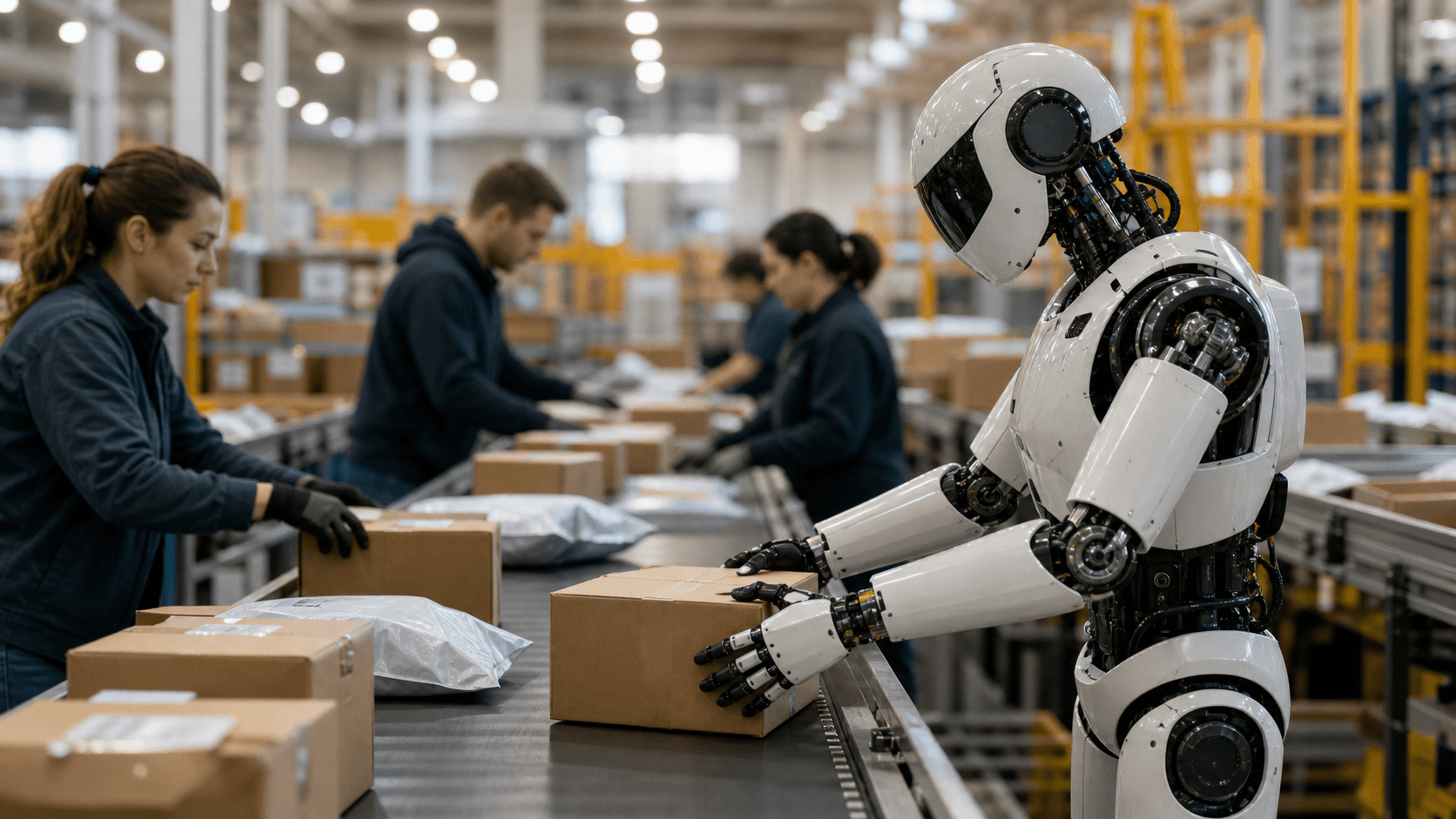
💡See whether humanoid robotics is moving beyond demonstrations—and what still blocks deployment.
⚡ 30-Second TL;DR
What Changed
The event will feature 666 teams and 2,056 robots, with team participation up 138% and robot entries quadrupling.
Why It Matters
The rapid expansion of the competition indicates strong interest and investment in embodied AI, but does not yet prove commercial readiness. AI builders should treat current humanoid platforms as fast-moving experimental systems rather than dependable production infrastructure.
What To Do Next
Track the World Humanoid Robot Games results and compare task performance before selecting a humanoid platform for a pilot.
Key Points
- •The event will feature 666 teams and 2,056 robots, with team participation up 138% and robot entries quadrupling.
- •Humanoid robot configurations are increasingly converging, while key component suppliers and production capacity continue to develop.
- •The industry still lacks clearly established commercial scenarios and consistently industrial-grade hardware.
- •Training-data requirements are expanding from thousands of hours to tens of millions of hours.
🧠 Deep Insight
AI-generated analysis for this event.
🔑 Enhanced Key Takeaways
- •The World Humanoid Robot Games are being hosted in Yizhuang, Beijing, a region actively positioning itself as a global hub for humanoid robotics manufacturing and policy testing.
- •Government subsidies and local industrial policies in China are increasingly tied to 'embodied AI' milestones, driving the rapid surge in team participation for this year's games.
- •A major shift in the industry is the move toward 'general-purpose' humanoid platforms that utilize end-to-end neural networks rather than traditional hard-coded motion control.
- •The event is serving as a de facto standardization platform, where industry players are attempting to align on communication protocols and hardware interfaces to solve the current fragmentation issue.
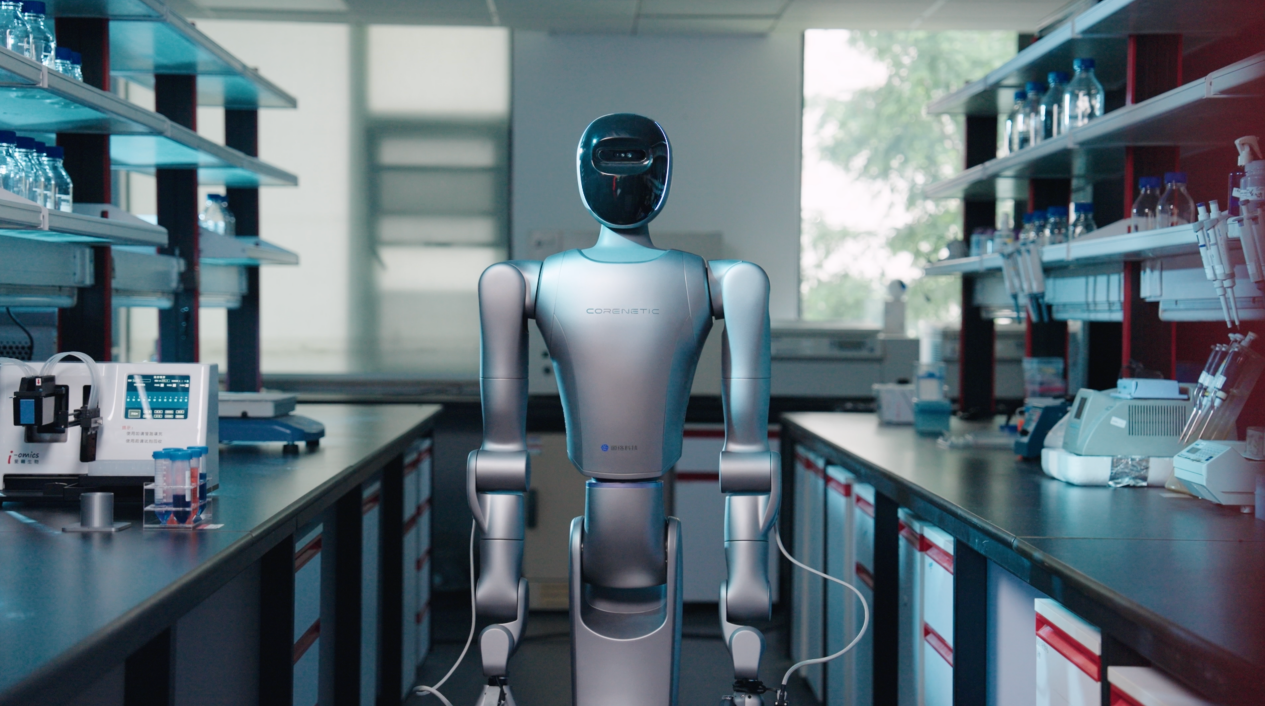
- •Leading participants are shifting focus from pure mechanical agility to 'dexterous manipulation' capabilities, specifically targeting fine-motor tasks required for electronics assembly and laboratory work.
🛠️ Technical Deep Dive
- Transition from traditional PID control loops to Transformer-based end-to-end imitation learning models for motor control.
- Integration of multimodal large language models (MLLMs) to enable robots to interpret natural language instructions for task planning.
- Implementation of sim-to-real transfer learning pipelines using NVIDIA Isaac Sim and similar physics engines to generate the required tens of millions of hours of training data.
- Standardization of actuator units, specifically focusing on high-torque-density frameless motors and integrated joint modules to improve power-to-weight ratios.
🔮 Future ImplicationsAI analysis grounded in cited sources
⏳ Timeline
Weekly AI Recap
Read this week's curated digest of top AI events →
👉Related Updates



AI-curated news aggregator. All content rights belong to original publishers.
Original source: Pandaily ↗