Humanoid Robots Face the Factory Reality Check
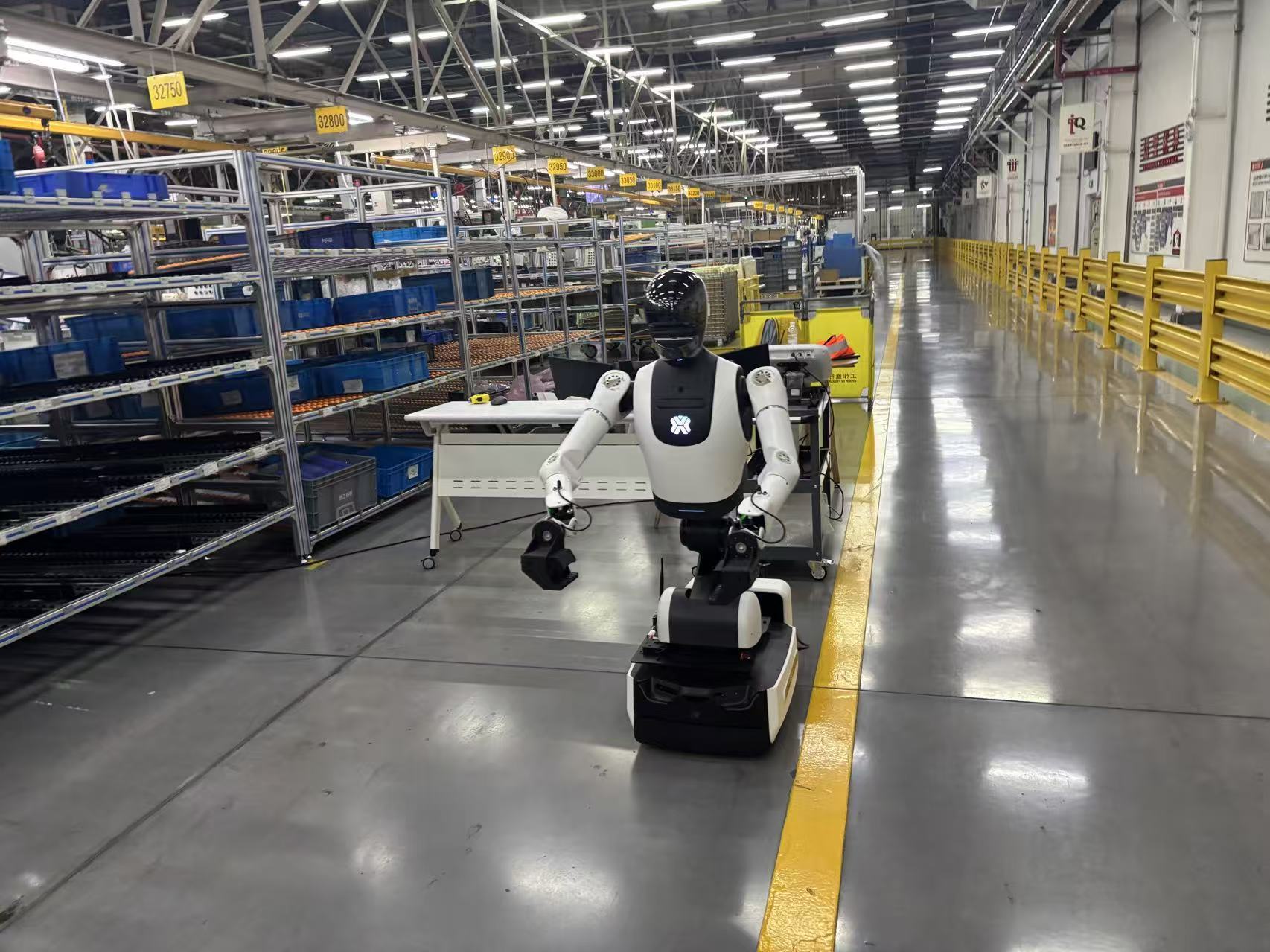
💡The real bottleneck for factory robots is reliability and data—not another impressive demo.
⚡ 30-Second TL;DR
What Changed
Factory deployment requires success rates above 99% without slowing existing production lines.
Why It Matters
For AI and robotics builders, factory adoption will depend less on demonstrations and more on measurable uptime, repeatability, maintenance costs, and production-line integration. Companies that can collect high-quality embodied-AI data and operate reliably under industrial constraints may gain an advantage over teams focused only on prototype performance.
What To Do Next
Use NVIDIA Isaac Sim to model one factory task, then benchmark success rate, cycle time, failure recovery, and estimated hand-maintenance intervals before pursuing a production pilot.
Key Points
- •Factory deployment requires success rates above 99% without slowing existing production lines.
- •Dexterous hands may have only weeks of continuous operating life, creating maintenance and economics challenges.
- •The industry faces a data gap reportedly as large as 100 times between laboratory validation and real-world industrial training.
- •Progress must cross five stages: lab validation, real-world training, routine deployment, scaled replication, and a commercial loop.
Weekly AI Recap
Read this week's curated digest of top AI events →
👉Related Updates


AI-curated news aggregator. All content rights belong to original publishers.
Original source: cnBeta (Full RSS) ↗
This is a summary, not the original. Read the source, or get the weekly briefing.
Weekly AI briefing
One email a week. Unsubscribe anytime.