Humanitarian Logistics in Disaster Relief via Manual Hiking
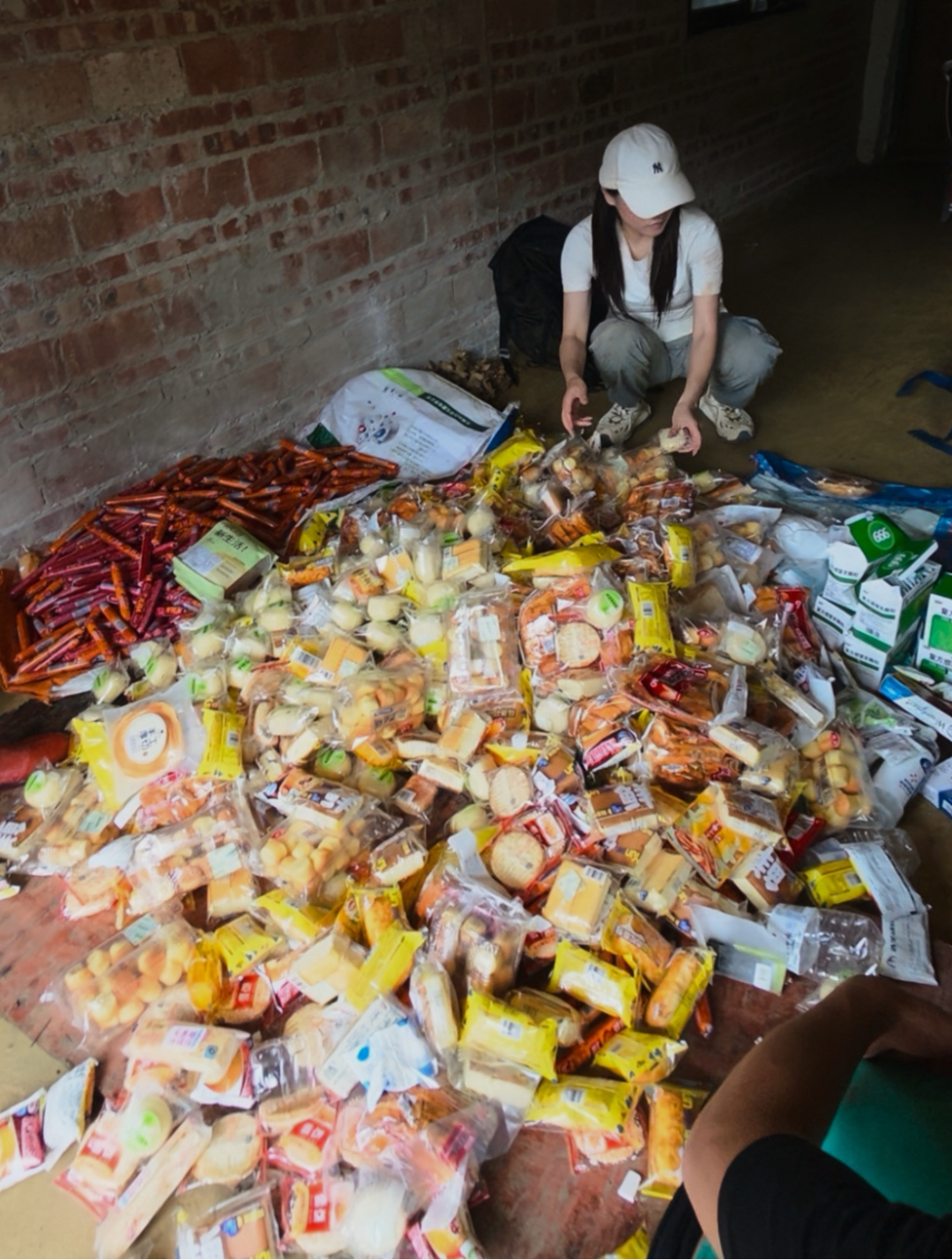
💡A case study on the limitations of autonomous drones in disaster relief and the value of human-led logistics.
⚡ 30-Second TL;DR
What Changed
Extreme terrain and infrastructure damage rendered drones and vehicles ineffective for disaster relief.
Why It Matters
Highlights the limitations of current autonomous disaster relief technology and the ongoing necessity of human-led logistics in complex, unpredictable environments.
What To Do Next
Consider integrating human-led logistics data into disaster response models to improve pathfinding accuracy in non-navigable terrain.
Key Points
- •Extreme terrain and infrastructure damage rendered drones and vehicles ineffective for disaster relief.
- •Heavy-load hikers utilized professional outdoor skills to establish a vital supply line for isolated villages.
- •The operation relied on manual navigation and offline maps due to signal loss and destroyed roads.
- •Community-driven coordination proved essential for rapid deployment of emergency supplies.
🧠 Deep Insight
AI-generated analysis for this event — not the original article.
🔑 Enhanced Key Takeaways
- •The use of 'heavy-load hikers' in Guangxi disaster relief is part of a broader trend in China known as 'Civilian Emergency Response Teams' (CERTs), which operate independently of, but often in coordination with, the Ministry of Emergency Management.
- •These hiking logistics networks frequently utilize specialized 'load-bearing' equipment, including modified internal-frame backpacks capable of carrying 40-60kg, which are distinct from standard recreational hiking gear.
- •Data from recent Guangxi flood relief efforts indicates that these manual logistics teams often utilize satellite communication devices (such as Beidou-enabled handhelds) to maintain contact with base camps when cellular networks are completely severed.
- •The integration of outdoor sports clubs into disaster relief has led to the development of 'Terrain-Specific Logistics Protocols' that categorize mountain trails by load-bearing capacity and safety risk levels.
- •Local governments in mountainous regions of China have begun formalizing 'Volunteer Logistics Agreements' to provide liability insurance and basic training to these hiking groups, shifting them from ad-hoc volunteers to semi-formal emergency assets.
🛠️ Technical Deep Dive
- Load-Bearing Ergonomics: Deployment of high-tensile aluminum frame packs with load-transfer suspension systems designed to shift 80% of weight to the iliac crest, minimizing spinal compression during 10+ hour treks.
- Navigation Redundancy: Implementation of offline GIS (Geographic Information System) layers using vector-based maps that function without cellular backhaul, utilizing pre-cached topographical data.
- Energy Management: Use of portable, ruggedized solar-folding panels (15W-28W) to maintain power for communication devices in off-grid environments.
- Communication Protocol: Adoption of LoRa (Long Range) mesh networking modules for short-range team coordination in deep valleys where satellite line-of-sight is obstructed by terrain.
🔮 Future ImplicationsAI analysis grounded in cited sources
⏳ Timeline
Weekly AI Recap
Read this week's curated digest of top AI events →
👉Related Updates



AI-curated news aggregator. All content rights belong to original publishers.
Original source: 虎嗅 ↗
This is a summary, not the original. Read the source, or get the weekly briefing.
The weekly digest
One email a week. Unsubscribe anytime.