Huawei’s Tri-Fold Debuts Kirin 9050 Pro
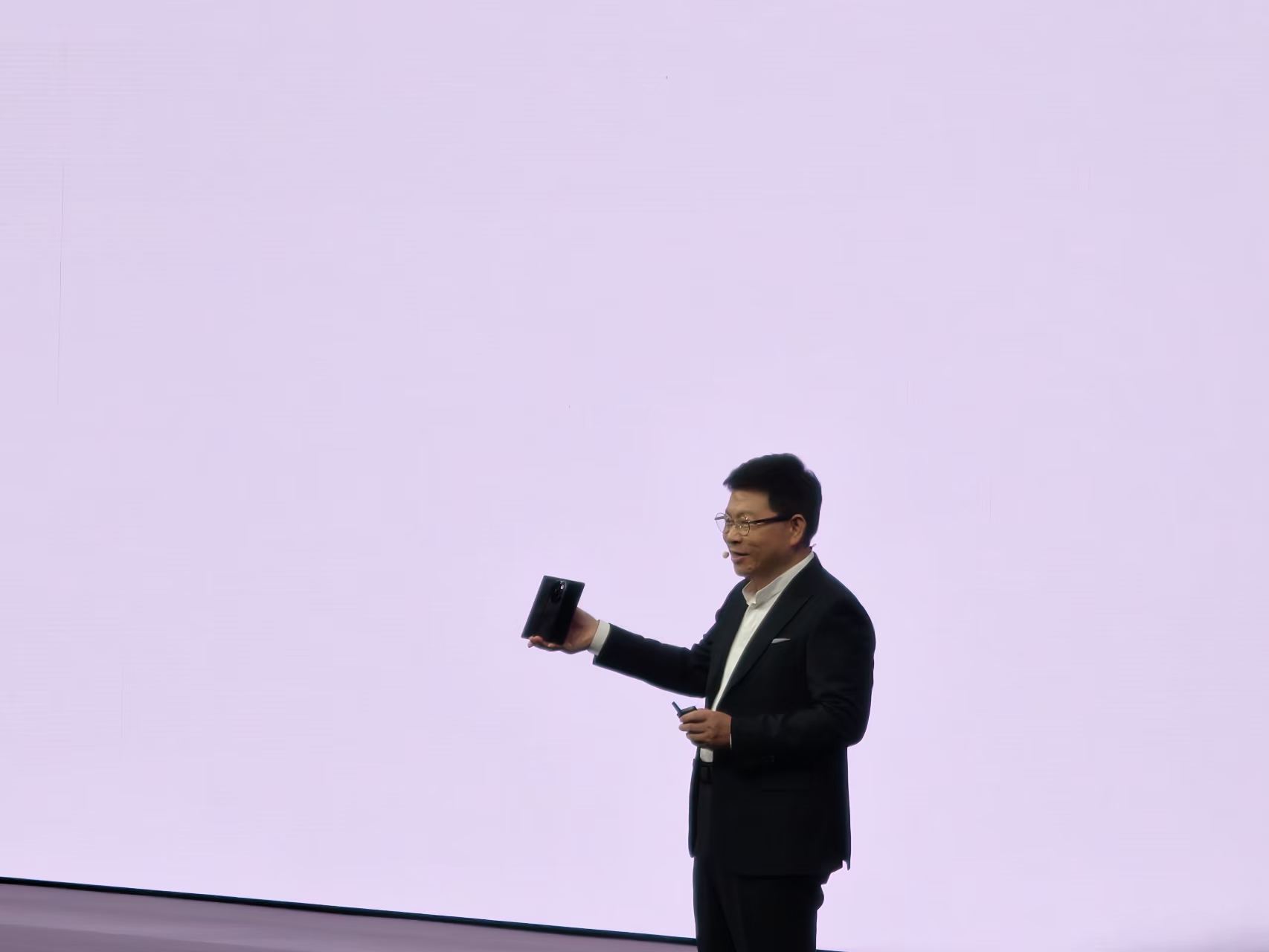
💡Huawei’s new chip targets 30B-parameter on-device models and offline AI—an important edge-computing signal.
⚡ 30-Second TL;DR
What Changed
The Mate XT2 starts at 19,999 yuan and changes the folding sequence to a more intuitive left-then-right operation.
Why It Matters
The launch suggests Huawei is positioning locally developed silicon and on-device AI as core flagship differentiators despite external technology restrictions. For AI practitioners, the more important signal is the move toward larger offline models and system-level agents on consumer hardware, although real-world performance and developer access remain unclear.
What To Do Next
Evaluate whether your mobile AI workload can run offline by testing model quantization and photo-search pipelines against the Mate XT2’s Da Vinci NPU once its developer SDK becomes available.
Key Points
- •The Mate XT2 starts at 19,999 yuan and changes the folding sequence to a more intuitive left-then-right operation.
- •Kirin 9050 Pro includes Huawei’s Lingxi CPU, Maliang GPU, and Da Vinci NPU, signaling greater confidence in its in-house chip development.
- •Huawei claims 24% higher single-core CPU peak performance, 52% higher multi-core throughput, and 142% higher GPU rendering performance.
- •The NPU supports on-device models with up to 30B total parameters and 2B activated parameters, including offline photo search and organization.
- •HarmonyOS 7 introduces an Agent-friendly architecture combining the OS, AI, apps, memory, models, and system capabilities.
Weekly AI Recap
Read this week's curated digest of top AI events →
👉Related Updates


AI-curated news aggregator. All content rights belong to original publishers.
Original source: 极客公园 ↗
This is a summary, not the original. Read the source, or get the weekly briefing.
Weekly AI briefing
One email a week. Unsubscribe anytime.