Huawei U6GHz Leads 6G Rush vs Qualcomm Timeline
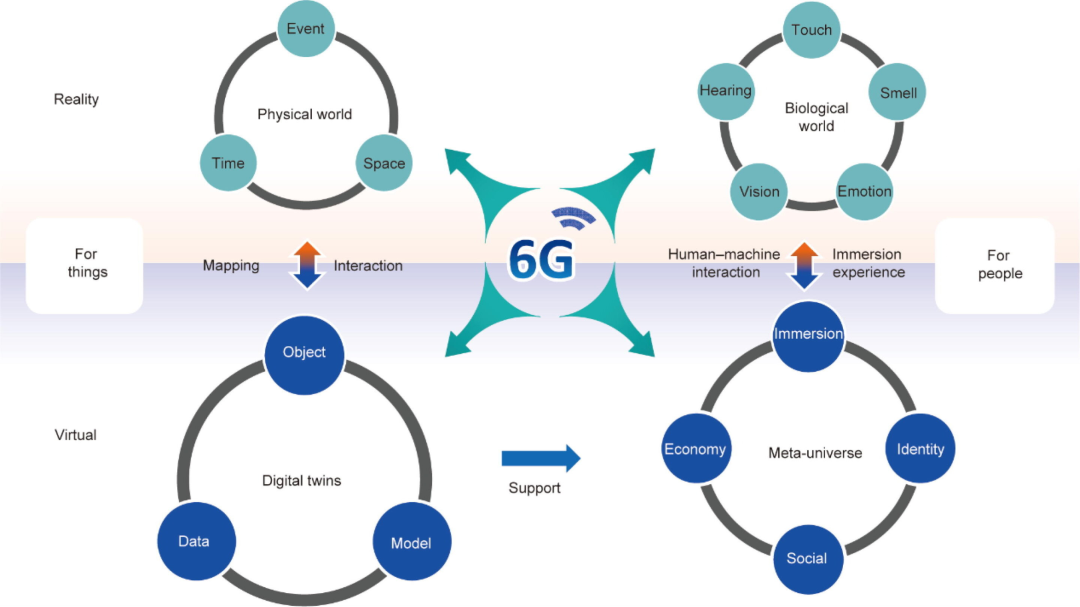
💡6G sprint w/ AI-RAN: Huawei leads spectrum, Nvidia eyes compute takeover
⚡ 30-Second TL;DR
What Changed
Huawei U6GHz AAU packs 1000+ antennas for 100Gbps downlink, tested at 10Gbps real-world.
Why It Matters
Intensifies 6G-AI integration race; China leads 6G patents at 40%, Nvidia disrupts hardware reliance.
What To Do Next
Prototype Nvidia AI-RAN tools for edge AI inference in 6G networks.
Key Points
- •Huawei U6GHz AAU packs 1000+ antennas for 100Gbps downlink, tested at 10Gbps real-world.
- •Qualcomm's 6G alliance roadmap: prototypes 2027, pre-commercial 2028, freeze 2029.
- •Nvidia AI-RAN alliance with Ericsson/Samsung virtualizes base stations using AI compute.
🧠 Deep Insight
Background and context from public sources — not the original article. 8 sources cited.
🔑 Enhanced Key Takeaways
- •Over 20 countries worldwide, including China, UAE, Brazil, and several European markets, have allocated U6GHz spectrum to mobile networks following WRC-23 decisions[1][3][6][8].
- •Huawei's U6GHz solutions integrate with transport networks featuring full-duplex microwave technology, green ultra-broadband routers reducing TCO by 30%, congestion awareness boosting DoU by over 20%, and network autonomy improving O&M efficiency by 20%[1][3][6].
- •Huawei open-sourced its A2A-T protocol alongside the U6GHz full-series 5G-A solutions at MWC 2026 to strengthen AI-centric network foundations[7].
- •U6GHz small cell products integrate 400 MHz bandwidth with all sub-6 GHz bands in a single device, enabling consistent indoor-outdoor AI experiences for both new and legacy terminals[1][2].
🛠️ Technical Deep Dive
- •U6GHz AAU employs hyper-resolution MU-MIMO algorithm combined with 400 MHz bandwidth to achieve downlink peak capacity of 100 Gbps and uplink 10 Gbps, with user experience rates of 10 Gbps downlink and 1 Gbps uplink[1][2].
- •Dense antenna units in U6GHz AAU compensate for high-frequency signal loss, achieving propagation distance and coverage similar to 3.5 GHz C-band spectrum[2].
- •New microwave products use industry-unique full-duplex technology to enhance transport network bandwidth for U6GHz base stations[1].
- •Base station routers support 10GE/25GE to site, 100GE access ring evolving to 400GE, with energy-saving tech saving 3 million kWh over 3 years for 1,000 devices[6].
🔮 Future ImplicationsAI analysis grounded in cited sources
⏳ Timeline
📎 Sources (8)
Factual claims are grounded in the sources below. Forward-looking analysis is AI-generated interpretation.
- huawei.com — Mwc 5ga U6ghz 6g
- eu.36kr.com — 3705512345170309
- cxoinsightme.com — Mwc 2026 Huawei Unveils Next Gen Intelligent Network Innovations
- telecomtv.com — Huawei Urges 5g Advanced Push As AI Traffic Redefines Network Demands 54987
- webdisclosure.com — Telecom Review Group Etr Huawei Highlights 5g a and U6ghz at Mwc 2026 Oej7v1bwgy8
- huawei.com — Mwc Three Key Value
- pandaily.com — Huawei Unveils U6 G Hz Full Series 5 G a Solutions and Launches Open Source A2 a T Project at Mwc 2026
- intelligentcio.com — Huawei Launches Enhanced AI Centric Network Solutions and Comprehensive U6ghz Portfolio at Mwc 2026
Weekly AI Recap
Read this week's curated digest of top AI events →
👉Related Updates

AI-curated news aggregator. All content rights belong to original publishers.
Original source: 虎嗅 ↗
This is a summary, not the original. Read the source, or get the weekly briefing.
Weekly AI briefing
One email a week. Unsubscribe anytime.