🇨🇳cnBeta (Full RSS)•Freshcollected in 14h
Huawei Targets 60 Million Smartphone Shipments in 2024
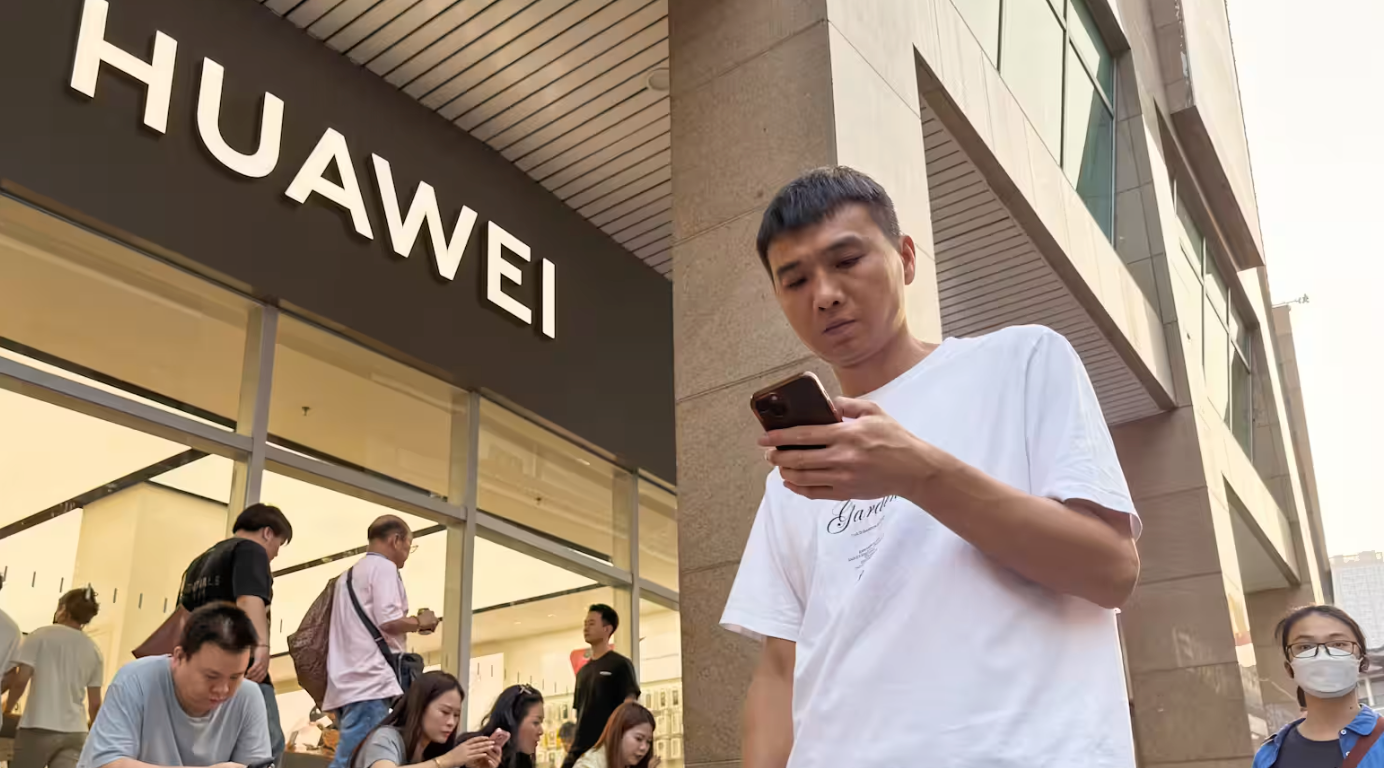
💡Huawei's aggressive production ramp-up signals significant shifts in the competitive landscape for AI-integrated mobile.
⚡ 30-Second TL;DR
What Changed
Huawei aims for 60 million smartphone shipments in 2024.
Why It Matters
Increased shipment targets suggest Huawei's supply chain resilience and aggressive push to regain market share in the AI-enabled smartphone segment.
What To Do Next
Analyze Huawei's HarmonyOS AI features to understand how they are optimizing performance on new hardware despite supply constraints.
Who should care:Enterprise & Security Teams
Key Points
- •Huawei aims for 60 million smartphone shipments in 2024.
- •The target represents a 20% increase over the previous year's figures.
- •Production plans remain ambitious despite persistent memory chip supply constraints.
🧠 Deep Insight
AI-generated analysis for this event.
🔑 Enhanced Key Takeaways
- •Huawei's 2024 shipment target was largely driven by the successful launch of the Mate 60 series, which marked the company's return to 5G capabilities using domestically produced chips.
- •The company's resurgence was supported by the development of HarmonyOS, which reduced reliance on the Android ecosystem and Google Mobile Services.
- •Despite US trade restrictions, Huawei successfully bypassed supply chain hurdles by diversifying its domestic semiconductor sourcing and investing heavily in local foundries.
- •Market analysts noted that Huawei's growth in 2024 significantly impacted Apple's market share in China, leading to increased competition in the premium smartphone segment.
- •Huawei's production strategy in 2024 prioritized high-margin flagship devices to maximize revenue per unit while navigating limited access to advanced lithography equipment.
📊 Competitor Analysis▸ Show
| Feature | Huawei (Mate 60 Pro) | Apple (iPhone 15) | Xiaomi (14 Series) |
|---|---|---|---|
| Processor | Kirin 9000s | A16 Bionic | Snapdragon 8 Gen 3 |
| OS | HarmonyOS 4.0 | iOS 17 | HyperOS |
| 5G Capability | Yes (Domestic) | Yes | Yes |
| Market Focus | Premium/Enterprise | Premium/Global | Mid-to-High/Global |
🛠️ Technical Deep Dive
- Kirin 9000s SoC: Manufactured using a 7nm-class process, integrating a custom Taishan CPU architecture and Maleoon 910 GPU.
- Satellite Communication: Integrated support for two-way satellite messaging, allowing connectivity in areas without cellular coverage.
- Kunlun Glass 2: Enhanced drop resistance and durability for display panels.
- HarmonyOS Architecture: Microkernel-based distributed operating system designed to facilitate seamless cross-device connectivity.
🔮 Future ImplicationsAI analysis grounded in cited sources
Huawei will achieve full independence from foreign semiconductor supply chains by 2027.
The company's aggressive investment in domestic R&D and foundry partnerships suggests a strategic move to insulate itself from further export controls.
HarmonyOS will become the dominant mobile operating system in the Chinese market.
The rapid expansion of the HarmonyOS ecosystem and the phasing out of legacy Android support in native apps are driving significant user migration.
⏳ Timeline
2019-05
US Department of Commerce adds Huawei to the Entity List, restricting access to US technology.
2020-09
New US rules effectively cut off Huawei's access to advanced semiconductor manufacturing.
2023-08
Huawei surprises the market with the unannounced launch of the Mate 60 Pro featuring a 5G-capable Kirin chip.
2024-01
Huawei reports strong recovery in smartphone shipments, signaling the success of its supply chain pivot.
2025-06
Huawei announces the global expansion of HarmonyOS NEXT, removing support for Android-based apps.
📰
Weekly AI Recap
Read this week's curated digest of top AI events →
👉Related Updates

AI-curated news aggregator. All content rights belong to original publishers.
Original source: cnBeta (Full RSS) ↗