Huawei proposes shift in semiconductor scaling law
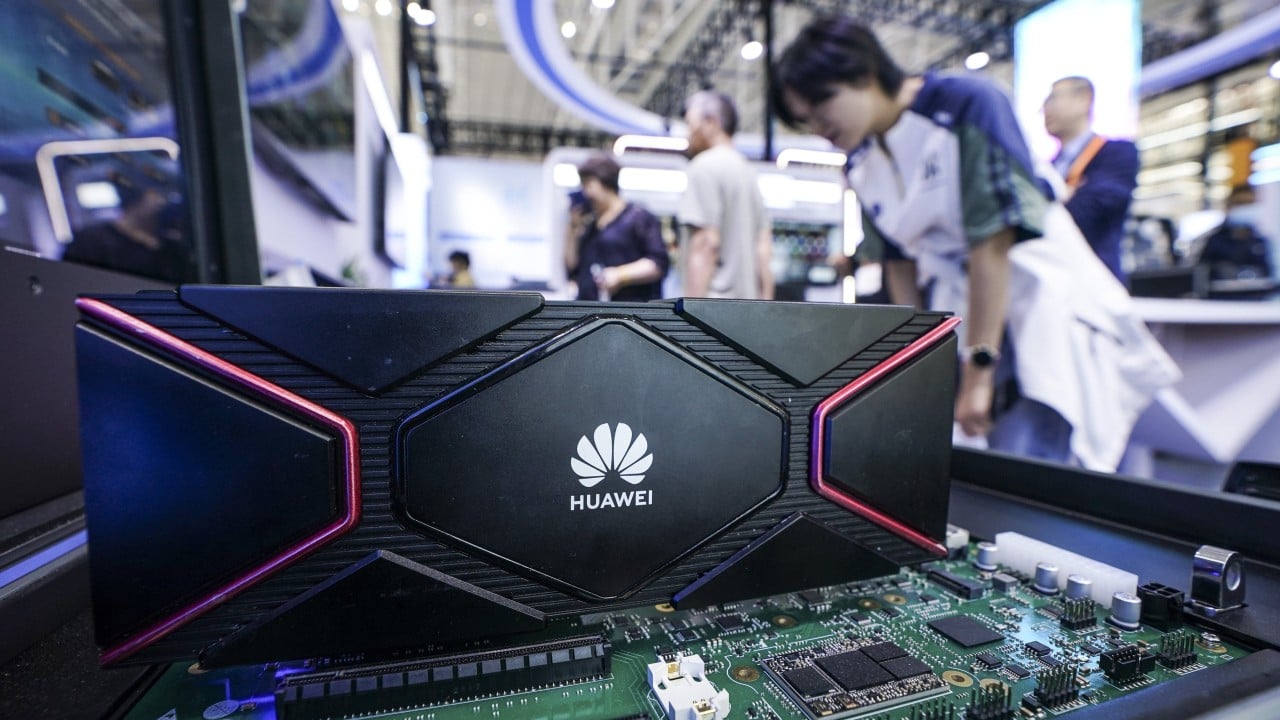
💡Huawei's pivot away from transistor scaling could change how we build AI hardware under export restrictions.
⚡ 30-Second TL;DR
What Changed
Huawei proposes shifting focus from transistor size to data movement speed.
Why It Matters
If successful, this shift could allow companies to achieve high-performance AI computing without needing the latest sub-3nm nodes. It signals a potential decoupling of AI performance from traditional silicon scaling limits.
What To Do Next
Monitor developments in chiplet-based interconnect standards and system-level optimization papers to understand how hardware constraints will evolve for future AI training clusters.
Key Points
- •Huawei proposes shifting focus from transistor size to data movement speed.
- •The strategy aims to bypass limitations caused by US export restrictions on advanced lithography.
- •This approach challenges the traditional Moore's Law-centric development model.
- •Focusing on system-level architecture could redefine performance benchmarks for AI hardware.
Weekly AI Recap
Read this week's curated digest of top AI events →
👉Related Updates

AI-curated news aggregator. All content rights belong to original publishers.
Original source: SCMP Technology ↗
This is a summary, not the original. Read the source, or get the weekly briefing.
The weekly digest
One email a week. Unsubscribe anytime.