Huawei Profit Up 8.6% in 2025 on Chips
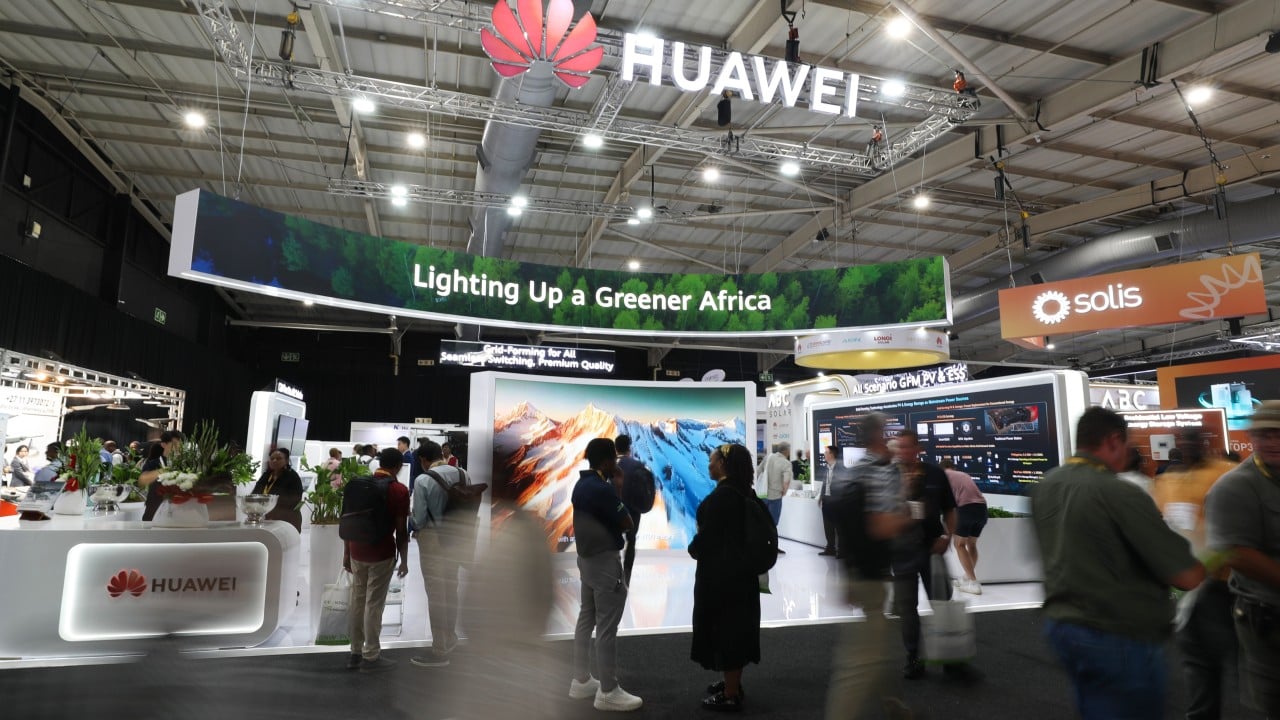
💡Huawei defies sanctions, profit surges 8.6% via chips—key for AI infra diversification
⚡ 30-Second TL;DR
What Changed
Net profit reached 68 billion yuan, up 8.6% YoY
Why It Matters
Huawei's resilience highlights China's push for semiconductor self-reliance, potentially diversifying AI hardware options beyond Western suppliers.
What To Do Next
Review Huawei's annual report for chip R&D investment details to assess AI hardware alternatives.
Key Points
- •Net profit reached 68 billion yuan, up 8.6% YoY
- •Revenue hit 880.9 billion yuan, up 2.2% from 862.1 billion
- •Doubled down on chip development and smartphones amid US sanctions
🧠 Deep Insight
AI-generated analysis for this event — not the original article.
🔑 Enhanced Key Takeaways
- •Huawei's 2025 financial performance was bolstered by the successful mass-market adoption of the HarmonyOS Next operating system, which significantly reduced reliance on Android-based ecosystems.
- •The company's cloud computing division emerged as a primary growth engine, capturing increased market share in the domestic Chinese enterprise sector as firms migrated away from foreign cloud providers.
- •Despite US export restrictions, Huawei successfully optimized its domestic supply chain for 7nm and 5nm-class semiconductor manufacturing, achieving higher yields that contributed directly to the improved net profit margins.
📊 Competitor Analysis▸ Show
| Feature | Huawei (2025) | Apple (2025) | Xiaomi (2025) |
|---|---|---|---|
| OS Ecosystem | HarmonyOS Next (Proprietary) | iOS (Proprietary) | HyperOS (Android-based) |
| Chipset Strategy | In-house (Kirin/HiSilicon) | In-house (A-series) | Third-party (Qualcomm/MediaTek) |
| Market Focus | China/Emerging Markets | Global Premium | Global Mid-to-High Range |
🛠️ Technical Deep Dive
- •Transition to HarmonyOS Next: Complete removal of AOSP (Android Open Source Project) code, utilizing a microkernel architecture designed for cross-device interoperability.
- •Semiconductor Advancement: Utilization of multi-patterning DUV (Deep Ultraviolet) lithography techniques to produce advanced nodes, circumventing the lack of EUV (Extreme Ultraviolet) equipment.
- •Cloud Infrastructure: Deployment of Pangu 5.0 large language models across the Huawei Cloud stack, optimized for Ascend 910B AI accelerators.
🔮 Future ImplicationsAI analysis grounded in cited sources
⏳ Timeline
Weekly AI Recap
Read this week's curated digest of top AI events →
👉Related Updates
AI-curated news aggregator. All content rights belong to original publishers.
Original source: SCMP Technology ↗
This is a summary, not the original. Read the source, or get the weekly briefing.
Weekly AI briefing
One email a week. Unsubscribe anytime.