Huawei Launches AI Glasses to Rival Meta
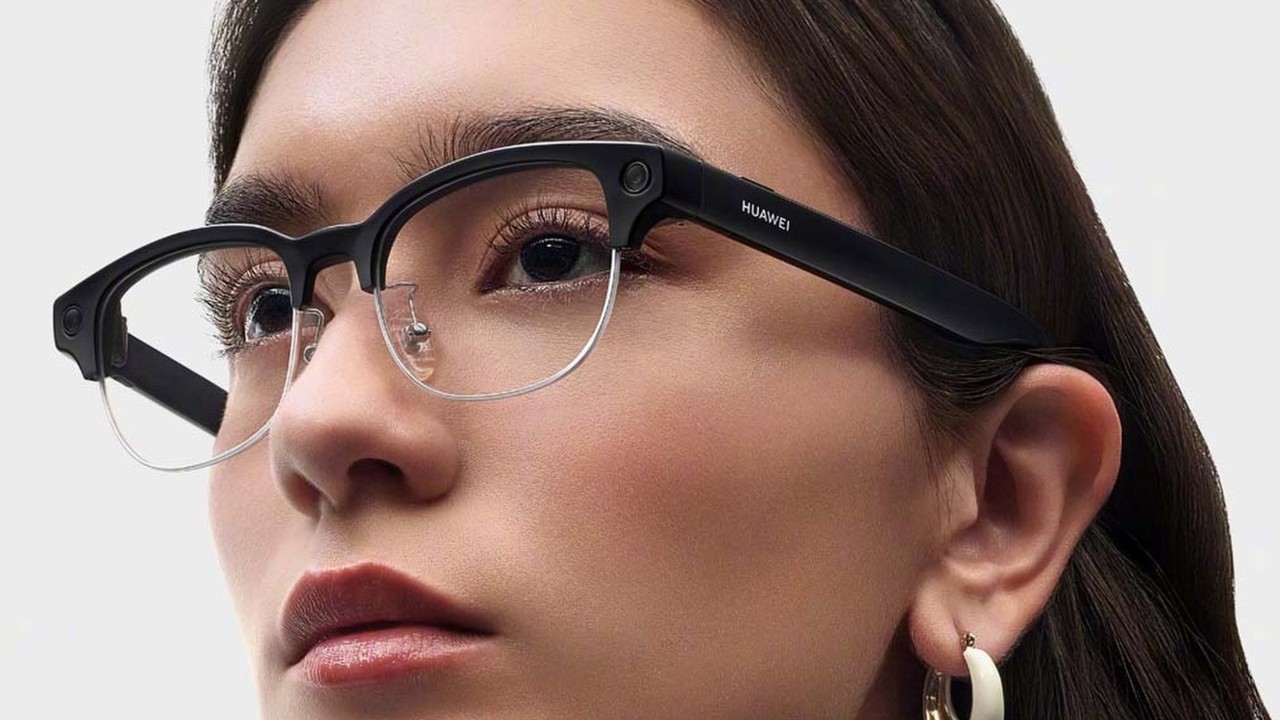
💡Huawei's custom AI chip in glasses signals edge AI push vs Meta—devs check for wearables.
⚡ 30-Second TL;DR
What Changed
Priced at 2,499 yuan ($367)
Why It Matters
Huawei's entry escalates smart eyewear competition, pushing edge AI advancements in wearables. This could spur developers to explore on-device AI for consumer hardware.
What To Do Next
Prototype edge AI voice models using Huawei's eyewear chip specs for wearable apps.
Key Points
- •Priced at 2,499 yuan ($367)
- •Weighs 35.5 grams with voice interaction and payments
- •Powered by Huawei's self-developed eyewear chip
- •Enters competition against Meta, Alibaba, Rokid
🧠 Deep Insight
AI-generated analysis for this event — not the original article.
🔑 Enhanced Key Takeaways
- •The glasses utilize HarmonyOS NEXT, Huawei's proprietary operating system, to enable seamless cross-device integration with the company's smartphone and tablet ecosystem.
- •The device incorporates a multi-microphone array with AI-driven noise cancellation specifically tuned for ambient urban environments to improve voice assistant accuracy.
- •Huawei has partnered with domestic optical lens manufacturers to offer prescription-ready frames, targeting the mass-market consumer segment rather than just the enthusiast AR market.
📊 Competitor Analysis▸ Show
| Feature | Huawei AI Glasses | Meta Ray-Ban | Rokid Glass 2 | Alibaba (Tmall Genie) |
|---|---|---|---|---|
| Pricing | 2,499 CNY | ~$299 USD | ~3,000+ CNY | Varies (OEM) |
| Primary OS | HarmonyOS NEXT | Meta Horizon OS | Android-based | AliGenie |
| Weight | 35.5g | ~49g | ~50g+ | Varies |
| Core Focus | Ecosystem/Payments | Social/Media | Enterprise/AR | Smart Home |
🛠️ Technical Deep Dive
- •Chipset: Custom-designed low-power SoC optimized for edge AI inference, specifically handling natural language processing (NLP) tasks locally to reduce latency.
- •Audio: Open-ear acoustic architecture utilizing directional speakers to minimize sound leakage while maintaining situational awareness.
- •Connectivity: Bluetooth 5.4 support for low-latency audio streaming and stable connection to the Huawei ecosystem.
- •Battery: High-density silicon-anode battery technology allowing for up to 12 hours of mixed-use battery life in a compact form factor.
🔮 Future ImplicationsAI analysis grounded in cited sources
⏳ Timeline
Weekly AI Recap
Read this week's curated digest of top AI events →
👉Related Updates

AI-curated news aggregator. All content rights belong to original publishers.
Original source: SCMP Technology ↗
This is a summary, not the original. Read the source, or get the weekly briefing.
The weekly digest
One email a week. Unsubscribe anytime.