How Pixieset Turned AI Skeptics into 35% Adoption
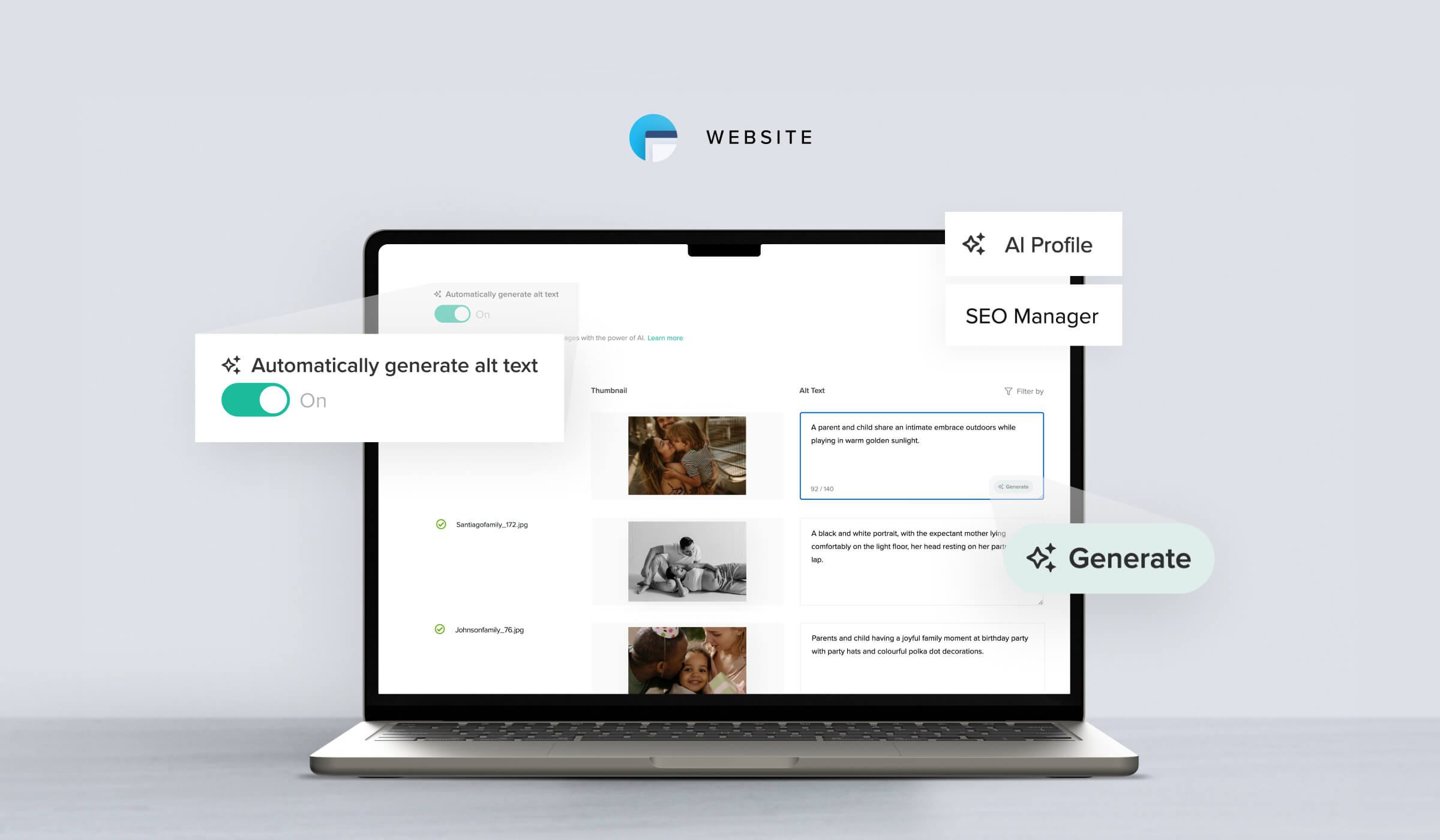
💡Learn why a low-risk SEO feature earned 35% adoption from skeptical creative professionals.
⚡ 30-Second TL;DR
What Changed
The AI-generated alt text feature launched to millions of users in four months.
Why It Matters
The case shows that AI adoption can improve when a feature removes an unwanted administrative task while preserving users’ core craft. For product teams, it highlights the value of targeting clear workflow pain points instead of adding AI for its own sake.
What To Do Next
Use Amazon Bedrock to prototype an AI feature that automates one measurable workflow pain point without altering your users’ creative output.
Key Points
- •The AI-generated alt text feature launched to millions of users in four months.
- •Pixieset reached 35% adoption among a user base skeptical of generative AI.
- •The product focused on automating image SEO rather than replacing creative work.
🧠 Deep Insight
AI-generated analysis for this event.
🔑 Enhanced Key Takeaways
- •Pixieset utilized Amazon Bedrock's integration with Anthropic's Claude models to analyze image content and generate contextually relevant, SEO-optimized alt text.
- •The implementation addressed a specific pain point for professional photographers, who often view manual alt-text entry as a time-consuming administrative burden that detracts from creative workflows.
- •By focusing on 'invisible' utility—improving accessibility and search engine discoverability—Pixieset bypassed the ethical and artistic concerns photographers typically associate with generative AI in creative fields.
- •The project leveraged AWS's managed infrastructure to scale the inference workload across millions of existing image galleries without requiring a significant overhaul of Pixieset's legacy database architecture.
- •User feedback loops were integrated directly into the feature, allowing photographers to review, edit, or reject AI-generated suggestions, which helped build trust and increase adoption rates over the four-month rollout.
📊 Competitor Analysis▸ Show
| Feature | Pixieset (AI Alt Text) | Adobe Lightroom (AI Features) | SmugMug (SEO Tools) |
|---|---|---|---|
| Primary Focus | Automated SEO/Accessibility | Creative Editing/Enhancement | Portfolio Management |
| AI Integration | Automated Alt Text Generation | Generative Fill/Denoise | Basic Metadata Automation |
| Pricing Model | Included in Pro/Studio tiers | Subscription (Creative Cloud) | Subscription (Tiered) |
| Adoption Strategy | Utility-first (Time-saving) | Creative-first (Artistic) | Manual/Template-based |
🛠️ Technical Deep Dive
- Architecture: Utilized Amazon Bedrock API to interface with Large Language Models (LLMs) for image-to-text reasoning.
- Workflow: Images are processed via an asynchronous pipeline where metadata is generated post-upload to ensure minimal latency for the end-user.
- Scalability: Employed AWS Lambda for serverless execution, allowing the system to handle spikes in gallery uploads without provisioning dedicated GPU clusters.
- Data Handling: Implemented a feedback-driven refinement layer where user edits are stored to improve future model prompting accuracy.
🔮 Future ImplicationsAI analysis grounded in cited sources
⏳ Timeline
Weekly AI Recap
Read this week's curated digest of top AI events →
👉Related Updates
AI-curated news aggregator. All content rights belong to original publishers.
Original source: AWS Machine Learning Blog ↗