How AI Is Rewriting Short-Drama Factories
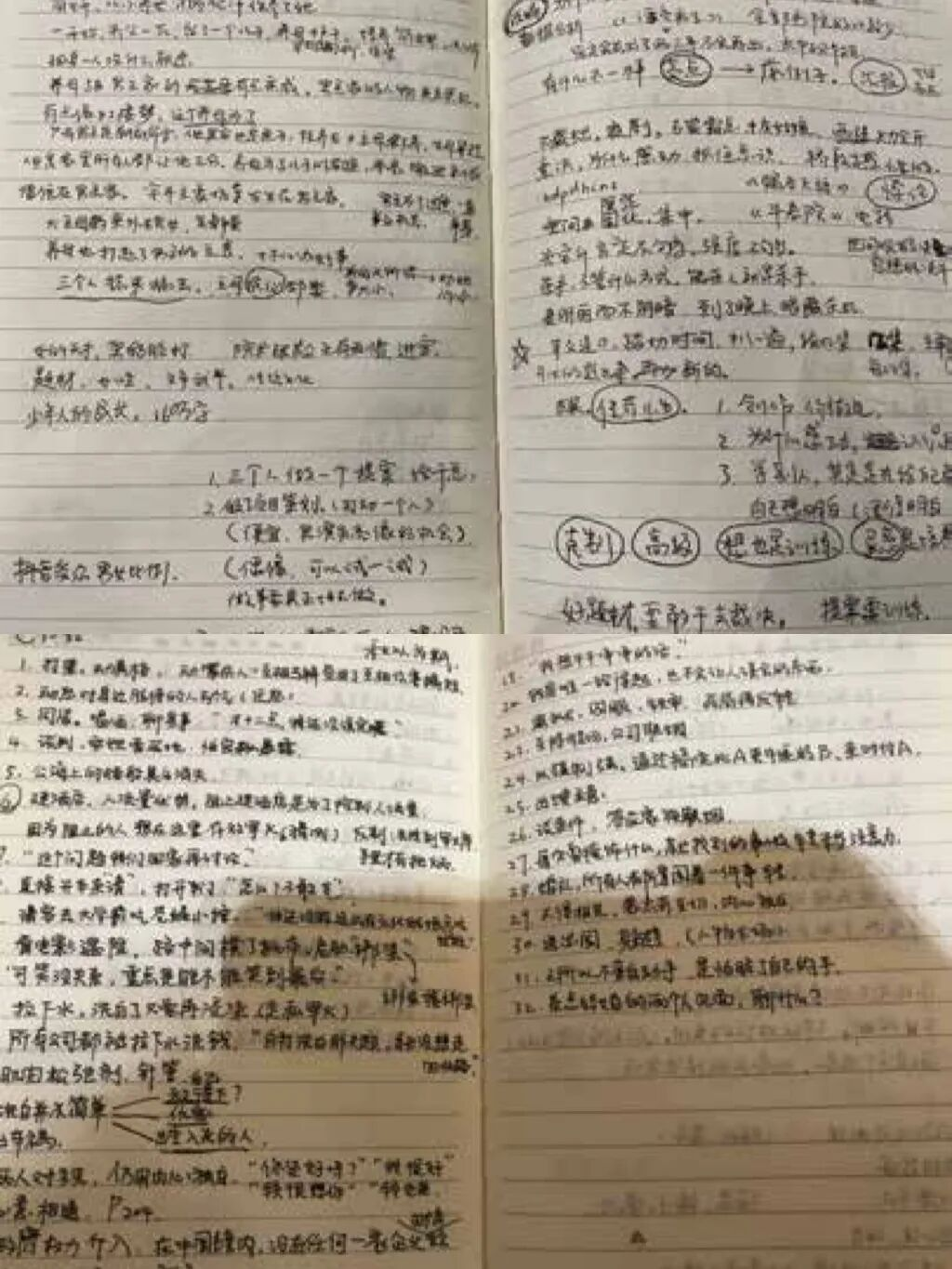
Short dramas are becoming AI-assisted content factories—and the winning metric is shifting from shock to retention.
30-Second TL;DR
What Changed
China’s micro-short-drama industry exceeded 100 billion yuan in output value in 2025.
Why It Matters
AI will likely lower the cost and production time of short-drama scripts, increasing content volume and intensifying competition among writers. For AI product teams, the differentiator will shift from generating twists to modeling retention, maintaining narrative coherence, and supporting human editorial judgment.
What To Do Next
Prototype a human-in-the-loop script workflow with the OpenAI Responses API, requiring editors to approve hooks, paywall points, and continuity before publication.
Key Points
- •China’s micro-short-drama industry exceeded 100 billion yuan in output value in 2025.
- •Short-drama scripts evolved into highly standardized formulas involving frequent hooks, fixed payment points, and repeated reversals.
- •AI is being used as leverage to reduce script prices, with some companies explicitly citing AI-generated drafts during negotiations.
- •The market is moving away from pure wish-fulfillment stories toward free, ad-supported formats that require stronger long-form retention.
- •Human screenwriting experience still contributes adaptation, pacing, and quality control that automated formula filling may miss.
Deep Insight
AI-generated analysis for this event — not the original article.
Enhanced Key Takeaways
- •Generative AI tools are now being integrated directly into short-drama production pipelines to automate the generation of 'golden 3-second' hooks, which are critical for algorithmic recommendation engines.
- •Major Chinese streaming platforms have introduced 'AI-assisted content creation' subsidies, incentivizing production houses to use proprietary LLMs to lower the cost of scriptwriting by up to 60%.
- •The industry is seeing a rise in 'AI-native' production studios that utilize text-to-video models to generate background assets and secondary characters, significantly reducing location and casting budgets.
- •Data-driven feedback loops now allow producers to adjust script pacing in real-time based on viewer drop-off metrics, a process previously reliant on subjective human intuition.
- •Intellectual property rights for AI-assisted scripts have become a major legal battleground in China, with recent court rulings beginning to define the threshold of human creative input required for copyright protection.
Technical Deep Dive
- Implementation of RAG (Retrieval-Augmented Generation) systems that ingest thousands of high-performing short-drama scripts to identify and replicate successful narrative structures.
- Utilization of fine-tuned LLMs specifically trained on 'web-novel' datasets to mimic the fast-paced, high-conflict dialogue style characteristic of the micro-drama genre.
- Integration of multimodal AI pipelines where script-to-storyboard generation tools automatically map text prompts to visual shot lists, streamlining the transition from writing to filming.
- Deployment of predictive analytics models that score scripts based on historical 'retention probability' before production begins.
Future ImplicationsAI analysis grounded in cited sources
Timeline
- 2023-05Initial surge in micro-short-drama popularity on platforms like Douyin and Kuaishou.
- 2024-02First wave of specialized AI script-writing tools for short dramas enters the Chinese market.
- 2024-11Regulators issue stricter guidelines on short-drama content, accelerating the need for automated compliance filtering.
- 2025-06Industry output value officially surpasses the 100 billion yuan milestone.
- 2026-03Major platforms mandate AI-assisted metadata tagging for all new short-drama submissions to improve recommendation accuracy.
Weekly AI Recap
Read this week's curated digest of top AI events →
AI-curated news aggregator. All content rights belong to original publishers.
Original source: 虎嗅 ↗
This is a summary, not the original. Read the source, or get the weekly briefing.
The weekly digest
One email a week. Unsubscribe anytime.